 Major Grant Allocation for Rajasthan
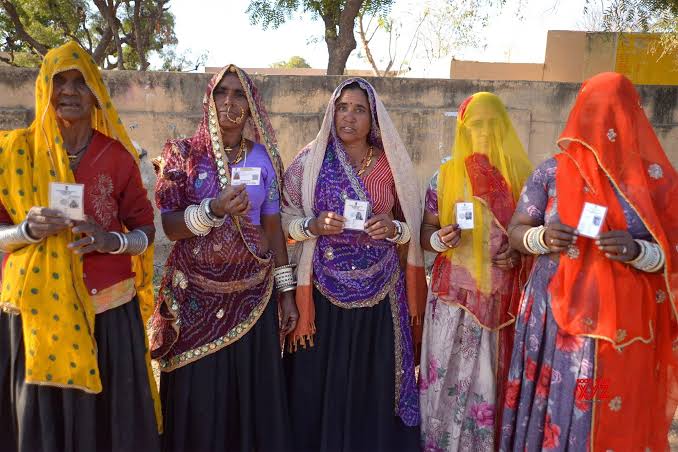
Rajasthan received a substantial share of the released funds, with ₹303.04 crore disbursed as the first instalment of Untied Grants for the financial year 2025–26. The allocation covers 24 eligible District Panchayats, 339 Block Panchayats, and 3,857 Gram Panchayats across the state.
In addition to this, the Centre has released ₹145.24 crore representing the withheld portion of the first and second instalments of Untied Grants for the previous financial year 2024–25. These funds were released after eligible rural bodies met the required compliance conditions laid down by the Finance Commission.
The additional funding is expected to enhance the capacity of Panchayati Raj Institutions in Rajasthan to address location-specific development priorities, including rural roads, community assets, and essential public services.
Jharkhand Receives Untied Grants
For Jharkhand, the Union Government released ₹275.13 crore as the first instalment of Untied Grants for the financial year 2024–25. The funds will benefit all eligible 24 District Panchayats, 253 Block Panchayats, and 4,342 Gram Panchayats across the state.
The release is expected to support Jharkhand’s rural bodies in meeting local development needs while strengthening service delivery in remote and tribal-dominated areas. Untied Grants provide flexibility, allowing Panchayats to prioritise projects based on ground realities.
Role of Central Ministries
The release of XV Finance Commission grants follows recommendations from the Ministry of Panchayati Raj and the Ministry of Jal Shakti, Department of Drinking Water and Sanitation. Based on these recommendations, the Ministry of Finance disburses the funds in two instalments during a financial year.
The mechanism ensures that financial devolution to local governments is aligned with national priorities such as sanitation, drinking water security, and sustainable rural development.
Purpose and Utilisation of Grants
Untied Grants can be used by Panchayati Raj Institutions and Rural Local Bodies for location-specific needs under the 29 subjects listed in the Eleventh Schedule of the Constitution. These funds, however, cannot be used for salaries or establishment expenses.
Tied Grants, on the other hand, are earmarked for essential services such as sanitation, maintenance of Open Defecation Free (ODF) status, management of household waste, fecal sludge treatment, and drinking water supply, including rainwater harvesting and water recycling initiatives.
Strengthening Grassroots Democracy
The release of these grants underscores the Centre’s focus on empowering grassroots institutions as engines of inclusive growth. By placing funds directly in the hands of elected local bodies, the government aims to improve planning efficiency and foster participatory development.
Experts believe that timely release of XV Finance Commission grants will help rural local bodies address pressing developmental challenges, improve service delivery, and strengthen democratic decentralisation across states.