

According to the Home Ministry’s directive dated January 28, the official version of Vande Mataram shall be played during civil investiture ceremonies, at the arrival and departure of the President at formal state functions, and immediately before and after presidential addresses to the nation broadcast over All India Radio and television.
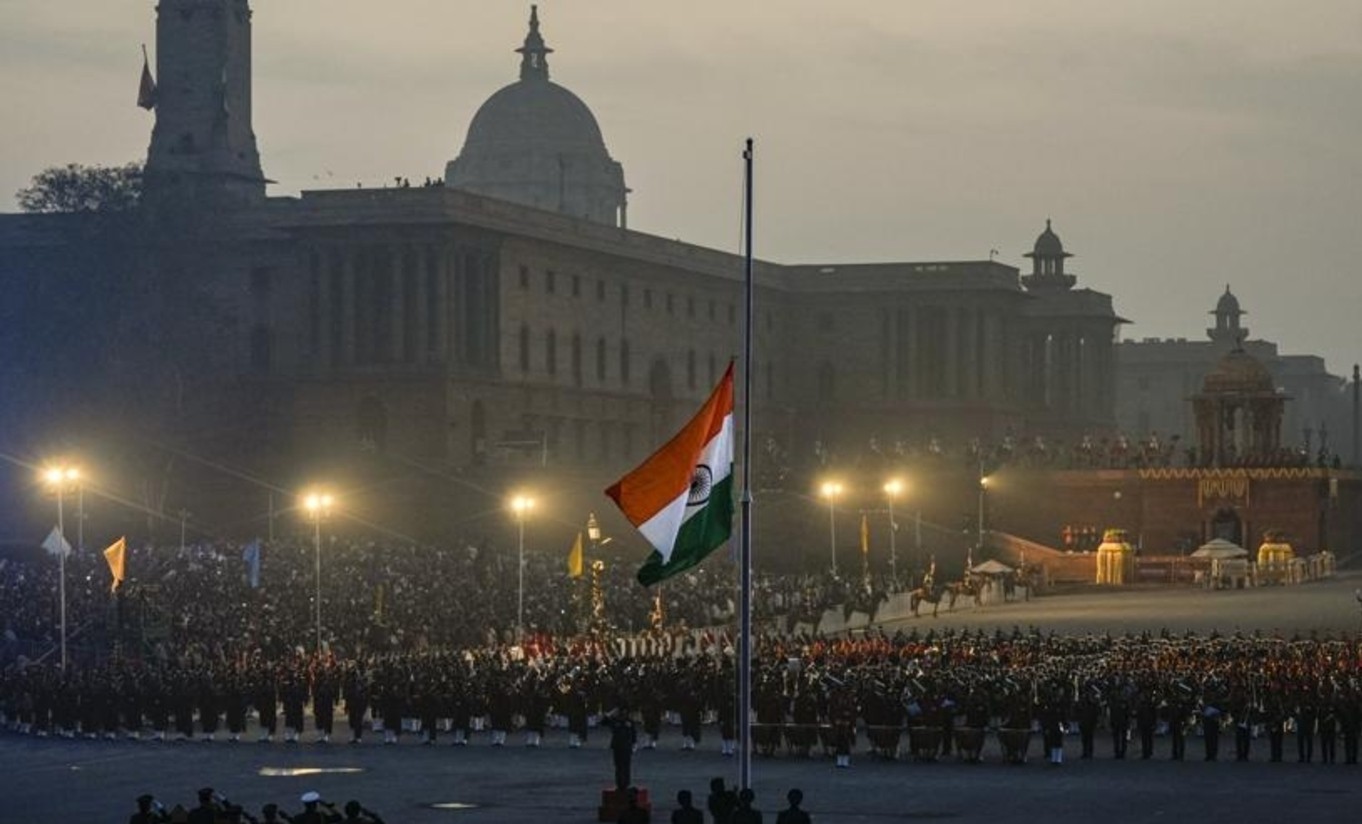
The protocol also applies to the arrival and departure of Governors and Lieutenant Governors at formal state events within their jurisdictions, and when the national flag is brought on parade.
When Vande Mataram and the national anthem are both performed, the national song will be rendered first. The audience must stand in attention during its performance, maintaining proper decorum.
Mass Singing at Flag Unfurling
The order divides occasions into three categories: events where the song shall be played, events where it shall be played and sung collectively, and occasions where it may be sung.
At national flag unfurling ceremonies and certain cultural or ceremonial functions, the six-stanza version must be accompanied by mass singing. The ministry has advised that choirs be properly coordinated with bands and supported by adequate sound systems to ensure collective participation.
Printed lyrics of the official version may be distributed where necessary to encourage unified singing.
Protocol and Musical Instructions
The directive also outlines musical procedure when the song is played by a band. A roll of drums lasting seven slow-march paces must precede the performance unless another signal, such as fanfare, is used. The roll should rise in volume and gradually soften before a brief pause preceding the song.
The audience is required to stand at attention whenever the official version is played or sung. However, if Vande Mataram appears within a documentary or newsreel, viewers are not expected to stand, as doing so may disrupt proceedings.
Schools and Public Functions Included
The Home Ministry has encouraged schools to begin the day with community singing of Vande Mataram. Educational institutions are advised to promote respect for the national song, the national anthem, and the national flag among students.
The order also permits the song to be sung at significant non-ceremonial events attended by ministers or public officials, provided it is performed with dignity and decorum.
Historical Context and Political Debate
Written in the 1870s by Bankim Chandra Chatterjee in Sanskritised Bengali, Vande Mataram became a rallying cry during India’s freedom movement. In 1950, the first two stanzas were adopted as India’s national song.
Until now, there was no official protocol specifying the duration or performance guidelines for the full six-stanza version. The new order follows renewed political and cultural emphasis on the song, including debates in Parliament during its 150th anniversary commemorations.
The theme of this year’s Republic Day parade, “Swatantrata Ka Mantra – Vande Mataram,” further underscored the government’s effort to popularise the national song.
Bringing Clarity to National Song Protocol
The Home Ministry stated that the objective of the order is to provide clear guidance regarding the official version of Vande Mataram, the occasions for its use, and the need for maintaining respect during its rendition.
With this directive, Vande Mataram now joins Jana Gana Mana in having a structured ceremonial framework, formalising its role in India’s public and state functions.