
Why Is Snakebite a Major Concern?
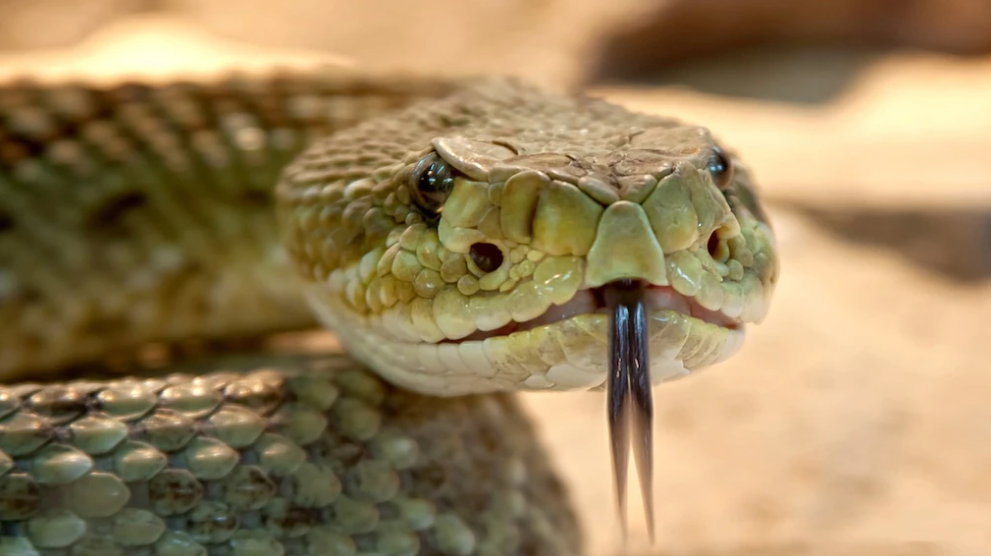
Snakebites are a huge public health challenge in India. Every year, around 3 to 4 million snakebites are reported, and 58,000 people lose their lives due to it, according to the 2020 Indian Million Death Study.
Earlier this year, the government launched the National Action Plan for Prevention and Control of Snakebite Envenoming (NAPSE) with a goal to reduce snakebite deaths by half by 2030. One of the recommendations of NAPSE was to make snakebites a notifiable disease.
What Are Notifiable Diseases?
Notifiable diseases are those that must be reported to the government due to their potential to cause outbreaks, lead to deaths, or require urgent public health measures. In most states, diseases like tuberculosis, HIV, cholera, malaria, and dengue are considered notifiable.
Why Should Snakebites Be Notified?
Snakebites can lead to acute emergencies and require immediate care. They can cause paralysis, severe bleeding, and organ damage, making it essential to treat them quickly with antivenoms to prevent death.
Types of Fatal Snakebites
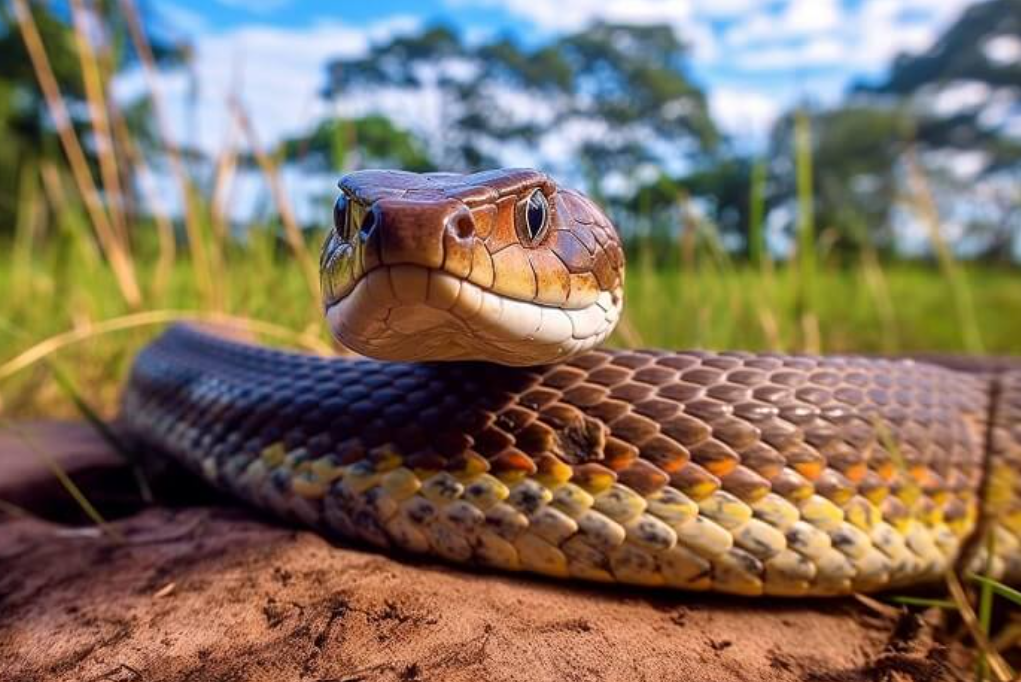
India has more than 310 species of snakes, of which 66 are venomous, and 23 are medically significant. The most dangerous bites come from the ‘Big Four’: the Indian cobra, common krait, Russell’s viper, and saw-scaled viper. About 90% of snakebites are caused by these species, and polyvalent antivenoms are effective against 80% of such bites.

What Will Making Snakebites Notifiable Achieve?
Making snakebites notifiable will help improve surveillance and allow the government to track the number of cases and deaths across the country. This data will be crucial for better management and prevention. The government can also ensure adequate supplies of antivenoms and train healthcare workers, particularly in high-risk areas.
The Union Health Secretary, Punya Salia, emphasized that mandatory reporting will help identify high-risk areas and improve clinical management.
Where Do Most Snakebites Occur?
Most snakebites occur in densely populated, low-altitude, and agricultural areas in states like Bihar, Jharkhand, Madhya Pradesh, Uttar Pradesh, Andhra Pradesh, and Telangana, as identified by NAPSE.
Challenges in Treating Snakebites
Several challenges make snakebite treatment difficult:
- Delayed treatment: Many victims don’t reach healthcare centers in time, or they seek help from faith-based healers instead.
- Lack of trained staff: Healthcare workers in many areas aren’t adequately trained to handle snakebites, and there is a lack of tests to confirm the bite.
- Antivenom issues: Most antivenoms are made from venom sourced from snakes caught by the Irula tribe. However, venom potency can differ across regions, affecting the effectiveness of antivenoms.
- Geographical variation: The venom from the same species of snake may behave differently based on the region. This affects antivenom cross-neutralization.
- New snake species: Certain local species, like the banded krait or monocled cobra, have venom that isn’t neutralized by commercially available antivenoms.
The government’s push for making snakebites a notifiable disease is an essential step towards better management and prevention of this deadly problem. By collecting accurate data, providing the right treatments, and improving healthcare infrastructure, India can significantly reduce the burden of snakebites and save thousands of lives every year.