
Act Aimed at Total Eradication
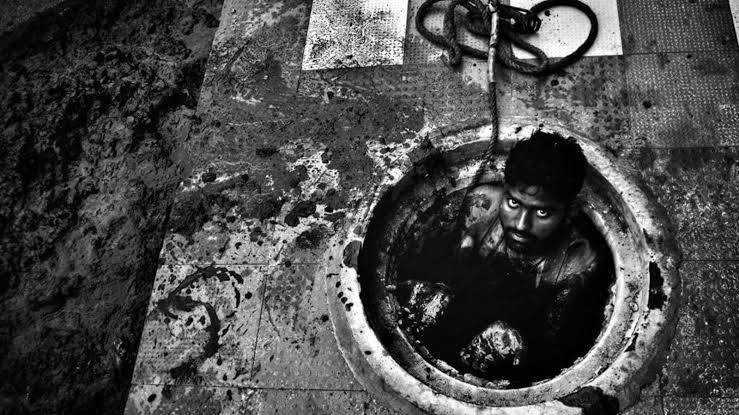
Enacted in 2013, the Act prohibits the employment of manual scavengers and mandates comprehensive rehabilitation for those engaged in such work. The CMC is tasked with monitoring and guiding effective implementation across states, coordinating agencies, and addressing any gaps in execution.
During the review, participants noted that most insanitary latrines had been converted into sanitary ones under the Swachh Bharat Abhiyan, significantly reducing manual scavenging practices. However, the Committee stressed that states must strengthen institutional mechanisms under the law to ensure compliance and sustain progress.
Focus on Mechanisation and Safety
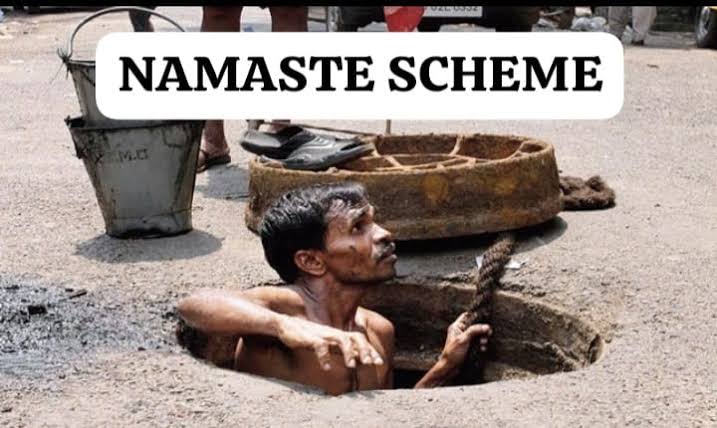
A major highlight of the discussions was the government’s National Action for Mechanised Sanitation Ecosystem (NAMASTE) scheme. The initiative aims for zero fatalities in sanitation work by ensuring mechanised cleaning of sewers and septic tanks, mandatory use of protective gear, and strict safety protocols.
The Committee expressed concern over continuing fatalities of sanitation workers during hazardous cleaning tasks. Dr. Kumar urged states to speed up mechanisation and reduce human contact with hazardous waste. “No life should be lost due to unsafe sanitation work,” he said, underscoring the scheme’s zero fatality goal.
Achievements Under NAMASTE Scheme
According to official data presented at the meeting, notable progress has been made:
- Over 86,800 sewer and septic tank workers have been profiled across 4,800 urban local bodies, with 76,731 receiving personal protective equipment.
- Ayushman Bharat health cards have been distributed to 58,583 sanitation workers.
- 639 Emergency Response Sanitation Units (ERSUs) have been established and 604 Responsible Sanitation Authorities appointed.
- Helplines are now operational in 346 ERSUs.
- Waste pickers were added as a new target group in 2024–25, with 46,245 of 96,255 profiled workers already validated.
The government has also enhanced capital subsidy support for sanitation-related projects, raising the amount from ₹5 lakh to ₹7.5 lakh for individuals and from ₹18.75 lakh to ₹25 lakh for groups. Private contractors are now eligible for up to ₹10 lakh or 25% of project costs, whichever is lower.

The review meeting also addressed compliance with the Supreme Court’s October 2023 order in Writ Petition (C) No. 324/2020, which directed states to complete fresh surveys on manual scavenging. As of now, 696 districts have completed the exercise and declared themselves free from manual scavenging.
Despite progress, the Committee flagged lapses in several states that have yet to constitute statutory committees, conduct surveys, or submit reports as required under the Act. Concerns were raised over delays and the continuing risk faced by sanitation workers.
Voices From the Meeting
The meeting was attended by Rajya Sabha MP Mithilesh Kumar and CMC members Bhagwat Prasad Makwana, Anjna Panwar, Ram Singh Balmiki, Abha Kumar, Nand Jee Mishra, R.M. Sriram, and Chaman Tulsyan. Senior bureaucrats from the Ministry of Social Justice, state departments, and commissions also participated.
The Committee unanimously recommended stricter monitoring, quicker adoption of technology, and better rehabilitation support for affected workers. Participants emphasised that a combination of strong enforcement and compassionate rehabilitation was key to eradicating the practice permanently.
The Road Ahead
India has made visible progress in reducing manual scavenging through legislative action, public health campaigns, and mechanisation. However, the continued loss of lives underscores the urgency of strengthening implementation. Experts argue that effective enforcement, public accountability, and sustained funding are critical to ending this centuries-old stigma.
The Committee concluded by advising states to intensify efforts under the NAMASTE scheme, ensure compliance with Supreme Court directives, and prioritise worker dignity and safety. The meeting’s resolutions are expected to shape the government’s next steps in achieving a sanitation ecosystem free of manual scavenging.