City Decked Up for Festivities
The city’s marketplaces, streets, and historic Ganga ghats are adorned with dazzling lights and intricate decorations. Traditional Chhath folk songs resonate from loudspeakers on every street corner, blending centuries-old rituals with the vibrant energy of modern celebrations.
 Ghats and Safety Arrangements
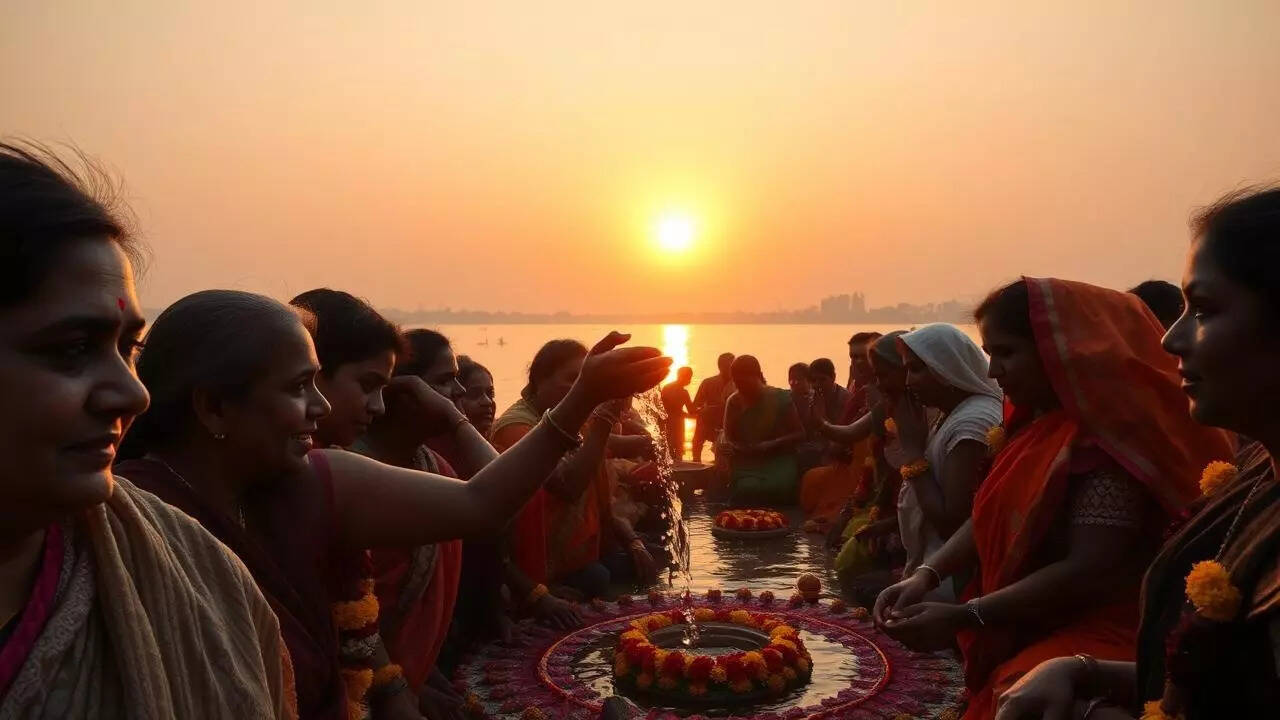
Patna district administration and municipal authorities have prepared 91 major ghats and 62 ponds for devotees. Safety measures include barricades, watchtowers, and deployment of national and state disaster response forces. Certain ghats, including Pahalwan, Bans, Rajapur Pul, Kantahi, Buddha, and New Panchmukhi Chauraha, have been marked dangerous and restricted for public access. Others, like TN Banerjee, Mishri, Judges, Adalat, and Gulbi, have been deemed unsuitable for rituals.
Chhath Rituals
The festival unfolds in four key stages:
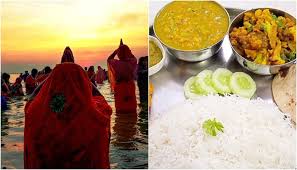
- Nahay-Khay: Marks the beginning of austerity, where devotees consume food only after a holy bath.
- Kharna: Observed on the second day.
- Sandhya Arghya: Offering prayers to the setting Sun.
- Usha Arghya: Offering prayers to the rising Sun.
Bustling Markets and Preparations
Markets in Patna are bustling with devotees purchasing essential items for Chhath offerings, including bamboo soop (winnowing basket), daura (large basket), bottle gourds, sugarcane, and fruits such as bananas, oranges, and apples. Local resident Anup Kumar said, “This festival is about purity and expressing gratitude, and the decorated ghats perfectly capture that divine feeling.”
Comfort and Safety for Devotees
Temporary arrangements like drinking water points and changing rooms have been set up at ghats to ensure devotees’ comfort. Authorities have emphasized maintaining safety and order throughout the festival, ensuring a peaceful and spiritually fulfilling celebration.