
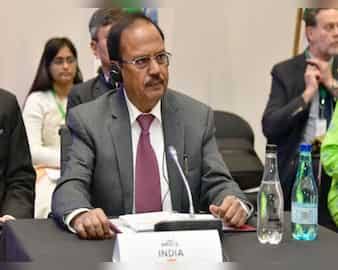
Amid a fragile calm returning to South Asia, China has stepped forward with a message of peace, urging India and Pakistan to pursue a lasting ceasefire through dialogue. Chinese Foreign Minister Wang Yi held separate conversations with India’s National Security Advisor Ajit Doval and Pakistan’s Deputy Prime Minister Mohammad Ishaq Dar in a diplomatic effort to ease the rising tensions following the recent Pahalgam terror attack.


Wang expressed deep concern over the escalation and emphasized that both India and Pakistan, as neighbouring countries of China, share a responsibility to maintain regional peace. He strongly condemned the April 22 attack in Pahalgam, which claimed 26 lives and triggered a sharp military response from both sides. India, citing the loss of innocent lives, launched counter-terror operations against militant infrastructure across the border, leading to several days of intense exchanges, including drone and missile strikes.
During his call with Doval, Wang acknowledged India’s pain and the justification behind its counter-terror actions but appealed for calm and restraint. Doval assured that India had no desire for war, stating clearly that such a path serves neither country. He reiterated that India’s actions were directed strictly at preventing further terrorist threats. Both officials agreed that resuming dialogue and committing to the ceasefire was essential for restoring peace and stability.
Wang’s call to Dar carried a similarly conciliatory tone, with China encouraging Pakistan to make decisions that align with its long-term stability and interests. Dar confirmed Pakistan’s willingness to uphold the ceasefire but asserted that any violation of its sovereignty would be met with a firm response. The shared sentiment among all parties was clear: the time for escalation had passed, and the priority must now be safeguarding peace.
China’s intervention is viewed not as interference, but as a compassionate reminder of the human and economic cost of prolonged conflict. Wang stressed that Asia’s hard-won stability should not be compromised, especially when the world is already facing uncertain geopolitical times. He reminded both nations that they are not just neighbours to each other, but also to China, and that their cooperation is vital for a harmonious regional future.
China’s foreign ministry reiterated its call for calm, warning that any further action could risk plunging the region into deeper instability. The ministry voiced hope that both India and Pakistan would return to the path of diplomacy, settle disputes through peaceful means, and consider the greater good of their people. Beijing also pledged to play a constructive role in encouraging meaningful dialogue.
As of May 10, India and Pakistan agreed to halt all military action by land, air, and sea, marking a much-needed pause in hostilities. Though the road to lasting peace remains long and complex, this moment offers a glimmer of hope—fueled by dialogue, empathy, and the shared desire to avoid further bloodshed.