
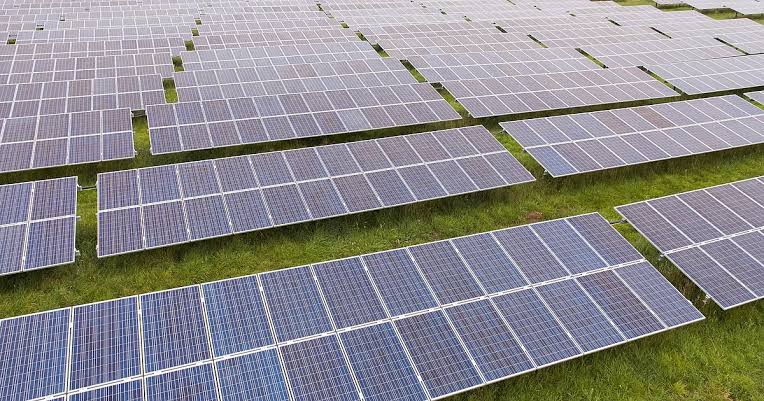

For years, exports have been the backbone of China’s economic strategy, contributing nearly a fifth of its overall output. To sustain this model, Beijing heavily subsidised manufacturing across sectors, including solar panels and batteries.
However, rising pressure on margins, global trade tensions, and a renewed focus on domestic self-sufficiency have forced a policy rethink. Chinese authorities are now prioritising profitability and internal consumption over aggressive export growth.
India’s Cost Challenge So Far
Despite India’s production-linked incentive (PLI) schemes and higher import duties on solar equipment, domestic manufacturers have struggled to match China’s pricing power. Industry estimates suggest that manufacturing solar cells in India can cost nearly twice as much as in China.
Chinese export rebates previously translated into price discounts of 9–13%, allowing Chinese companies to undercut competitors globally. The removal of these subsidies could significantly alter pricing dynamics in international markets.
Indian Firms That May Benefit
India’s integrated solar manufacturers are expected to benefit the most from China’s policy shift. Companies with domestic cell and module manufacturing capacity could see improved margins and higher export demand.
Firms supplying to Europe, Africa, and emerging Asian markets may find it easier to compete on price once Chinese subsidies disappear. Analysts also expect stronger interest in Indian-made batteries as Chinese battery export rebates are reduced.
Global Supply Chains Could Shift
China’s dominance in solar exports has often raised concerns about over-dependence on a single country for clean energy infrastructure. Several nations are now actively seeking supply chain diversification to reduce strategic risk.
India, with its expanding manufacturing base and supportive government policies, is well positioned to attract buyers looking for alternatives to Chinese suppliers. This shift aligns with India’s broader ambition to become a global clean energy manufacturing hub.
What It Means for India’s Renewable Push
India has set ambitious renewable energy targets and aims to significantly expand solar capacity over the next decade. Stronger domestic manufacturing will not only reduce import dependence but also create jobs and strengthen export earnings.
While challenges remain in scaling production and reducing costs, experts believe China’s subsidy withdrawal could provide Indian firms with the competitive breathing space they have long needed.