 Drills Follow US Arms Sale to Taiwan
The latest drills come just days after the United States announced one of its largest-ever weapons packages for Taiwan, valued at approximately $11 billion. The sale includes advanced defence systems aimed at strengthening the island’s military preparedness.
Beijing reacted sharply to the announcement, condemning Washington for what it called interference in China’s internal affairs. China has since imposed sanctions on several US defence firms involved in the deal.
Taiwan on High Alert
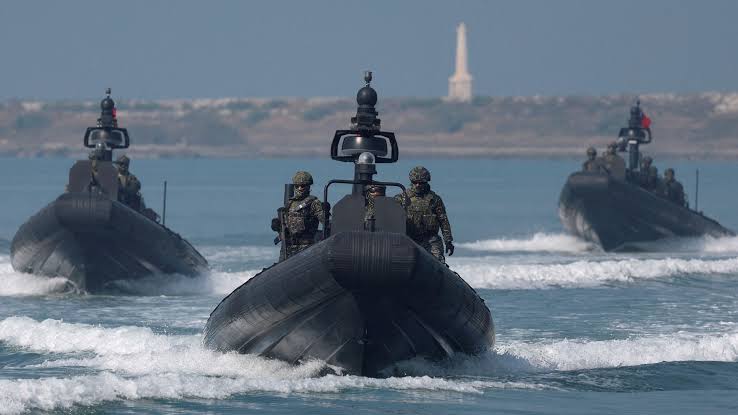
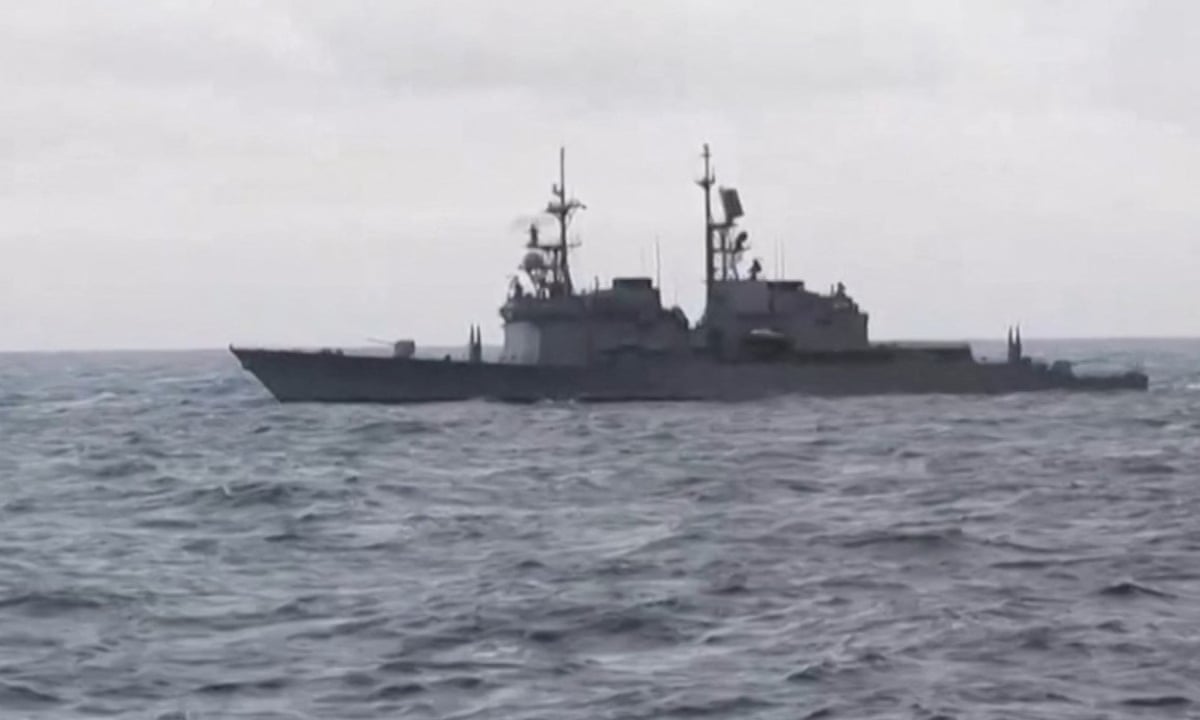
Taiwan’s defence ministry said it detected multiple Chinese aircraft and naval vessels operating around the island early Monday. In response, Taiwanese forces deployed aircraft, naval units and missile systems to closely monitor the situation.
The ministry stated that Taiwan’s military remains on “high alert” and is fully prepared to defend the island and protect its population. Taiwan’s presidential office criticised the drills, calling them a challenge to international norms and regional stability.
Strong Rhetoric From Beijing
China’s Eastern Theater Command, which oversees operations in the Taiwan Strait, described the exercise as a “shield of justice”. In a statement posted on Chinese social media platform Weibo, the command warned that any attempt at independence would be met with decisive force.
While China officially maintains that it seeks peaceful reunification with Taiwan, it has repeatedly stated that it reserves the right to use force if it believes the island is moving towards formal independence.
Taiwan President Defends Status Quo
Beijing has accused Taiwan’s President Lai Ching-te of promoting independence. Lai has rejected the accusation, maintaining that Taiwan is already a sovereign entity and does not need to declare independence.
In a recent interview, Lai said Taiwan must continue strengthening its defences to raise the cost of any potential invasion. He emphasised that his administration is committed to maintaining the status quo while ensuring peace through credible deterrence.
Rising Regional and International Concerns
China has significantly increased military pressure around Taiwan since 2022, often responding to developments it perceives as threats, including high-profile visits by US officials and changes in Taiwan’s leadership.
The drills have also heightened tensions with Japan. Relations between Beijing and Tokyo have deteriorated after Japanese leaders suggested that Japan’s self-defence forces could respond if Taiwan were attacked.
Why Taiwan Matters
Taiwan sits at the heart of vital global shipping lanes and plays a critical role in the global semiconductor supply chain. Any conflict in the Taiwan Strait would have far-reaching economic and geopolitical consequences.
Polls consistently show that most people in Taiwan favour maintaining the current status quo, neither unifying with China nor declaring formal independence.
Outlook Remains Uncertain
Analysts say the drills are intended to send a message of deterrence not only to Taiwan but also to external actors. While a full-scale conflict does not appear imminent, the risk of miscalculation remains high.
As military activity intensifies, regional stability in East Asia continues to hang in the balance, drawing close attention from the international community.