 Who Was Sanctioned and Why
The lawmakers affected include four Conservative MPs Sir Iain Duncan Smith, Nusrat Ghani, Tom Tugendhat, and Neil O’Brien along with Labour peer Baroness Kennedy and crossbench peer Lord Alton. All six are members of the Inter-Parliamentary Alliance on China and have been vocal critics of Beijing’s human rights record.
China imposed the sanctions in response to Western criticism over alleged human rights abuses against Uyghur Muslims and other minority groups in Xinjiang. The Chinese government has consistently denied all allegations of abuses in the region.
Starmer Defends Engagement with China
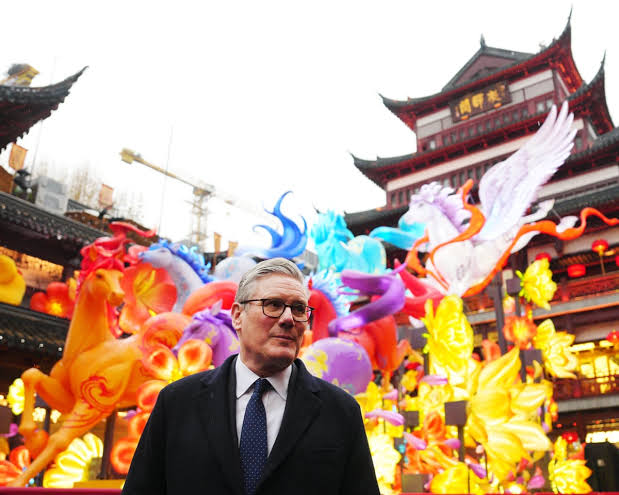
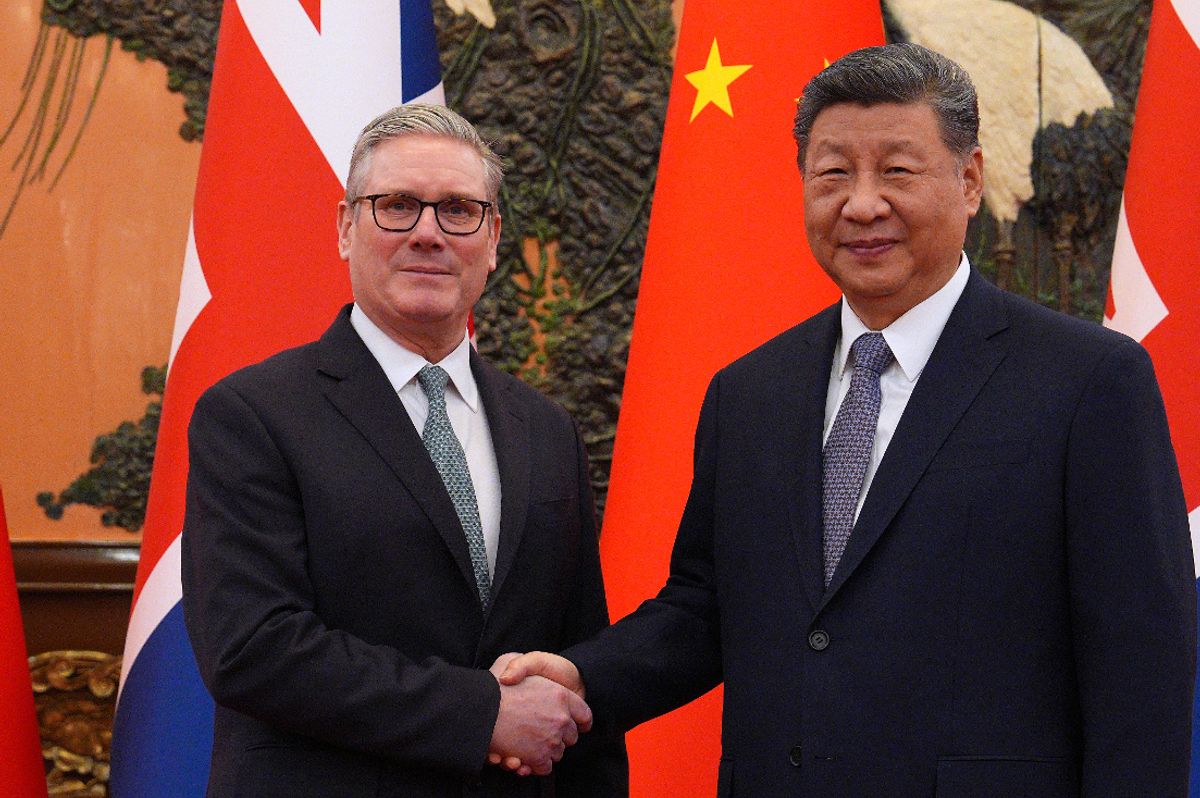
Starmer said the lifting of sanctions “vindicated” his approach of engagement rather than isolation. “It would be foolhardy to refuse to engage with the world’s second-largest economy,” he said, arguing that dialogue had created space to raise difficult and sensitive issues directly with Chinese leadership.
He also expressed hope that President Xi Jinping would visit the UK when Britain hosts the G20 summit in 2027, signalling an ambition for improved diplomatic engagement at the highest level.
Mixed Reactions from Sanctioned MPs
Despite the decision, the six parliamentarians said they “take no comfort” from the lifting of sanctions. In a joint statement, they criticised China’s selective approach, noting that other individuals including academics and activists remain under sanction.
They also called for assurances that UK sanctions on Chinese officials accused of involvement in rights abuses would remain in place, stressing that Parliament should not accept preferential treatment for sitting lawmakers.
Trade, Travel and Wider Deals
During the visit, Starmer announced that China would halve import tariffs on British whisky, with the change set to take effect next week. Talks are also underway on easing travel restrictions for British citizens, though no timeline has been finalised.
Additional agreements include cooperation on tackling organised crime, illegal migration, and reducing regulatory barriers for UK exporters. According to officials, the two countries also agreed to collaborate on public health challenges such as antimicrobial resistance.
Political Criticism and Global Context
The engagement has drawn criticism from opposition figures in the UK. Conservative leader Kemi Badenoch accused Starmer of travelling to China “from a position of weakness,” while Reform UK leader Nigel Farage urged the government to halt trade deals until jailed British citizen Jimmy Lai is released.
Starmer also addressed comments by former US President Donald Trump, who warned that closer UK-China ties were “very dangerous,” suggesting the remarks were aimed more at Canada than Britain. The UK, he said, had kept Washington informed of the visit.
A Delicate Diplomatic Reset
Starmer’s visit the first by a UK prime minister since 2018 reflects a broader attempt to stabilise relations with Beijing while maintaining a firm stance on national security and human rights. Whether the lifting of sanctions marks a lasting shift or a tactical pause remains to be seen.
Analysts say the episode highlights the complexity of balancing economic engagement with political values in an increasingly polarised global environment.