
China Begins World’s Biggest Hydropower Project
The dam, located in Nyingchi City in Tibet, lies near the Indian border in Arunachal Pradesh. It is expected to generate over 300 billion kilowatt-hours of electricity annually, enough to power more than 300 million people—surpassing even the iconic Three Gorges Dam.


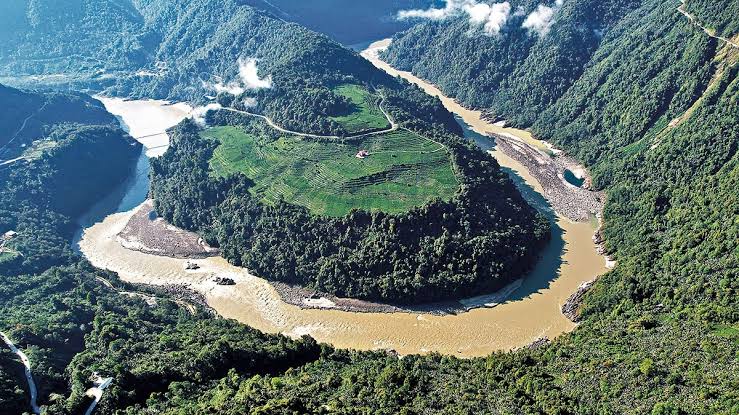
India and Bangladesh rely heavily on the Brahmaputra’s water for agriculture, drinking water, and ecological balance. The river, known as Yarlung Zangbo in Tibet, takes a sharp U-turn through the Himalayas before entering India and flowing into Bangladesh.
The fear? That China might control water flow in times of tension or block silt crucial for farming. There’s also worry about sudden water releases causing flash floods in Indian territory.
India’s Response: Diplomatic and Strategic
India has already expressed its concerns through formal diplomatic channels. It has also ramped up its own dam construction efforts in Arunachal Pradesh.
The two countries maintain a data-sharing agreement under the Expert Level Mechanism (ELM) since 2006. During flood seasons, China shares hydrological data with India, but trust remains fragile.
Environmental and Seismic Challenges
The dam is being built in one of the most earthquake-prone areas on Earth. The Himalayas sit on a major tectonic fault line, making construction risky and complicated.
China, however, insists that its design is eco-sensitive and seismically safe. According to Xinhua, extensive geological surveys have helped build a strong technical foundation for the project.
Bangladesh Also Raises Red Flags
Bangladesh, a lower riparian nation, fears that reduced water flow could hit farming and fisheries hard. The Brahmaputra feeds into the Ganges delta, supporting millions of livelihoods.
In Dhaka, officials have already begun consultations with New Delhi to assess the dam’s long-term regional impact.
What’s Next?
China plans to build five cascade hydropower stations in total. With a budget of 1.2 trillion yuan, this is not just a power project—it’s a geopolitical statement.
India must balance strategic response with environmental diplomacy, while ensuring sustainable water security for its northeastern states and Bangladesh.