 Venezuela’s Layered Air Defence Network
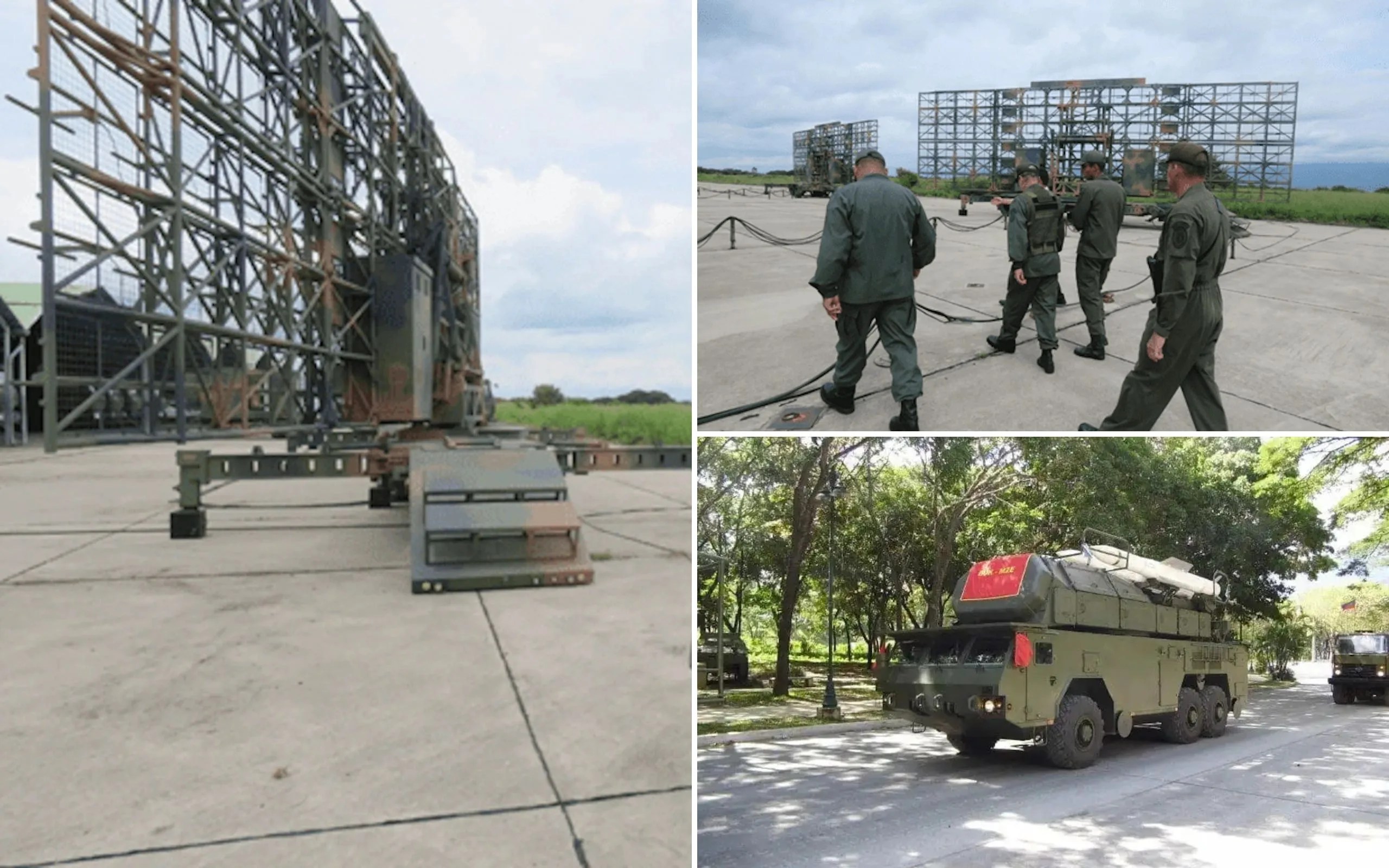
Venezuela has long been considered one of the most heavily defended countries in the region. Its air defence network included Russian-origin S-300VM surface-to-air missile systems, early-warning radars, and Chinese surveillance platforms such as the JY-27.
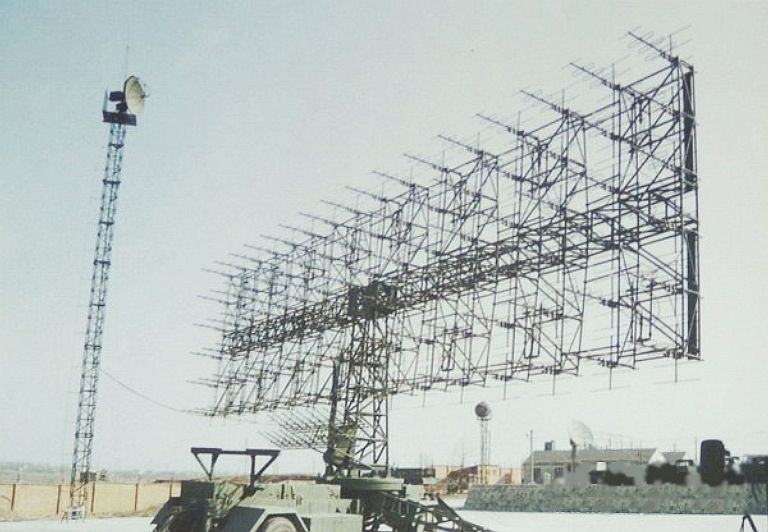
The JY-27, developed by China Electronics Technology Group Corporation, operates in the Very High Frequency (VHF) band. Beijing has promoted the system as capable of detecting stealth aircraft like the US F-22 Raptor and F-35 Lightning II by exploiting wavelength interactions that challenge traditional stealth designs.
Venezuela acquired multiple JY-27 units over recent years as part of its effort to modernise air defence and protect strategic locations, including the capital Caracas.
Claims of Radar Failure During the US Raid
Despite these preparations, Venezuela’s entire air defence architecture appeared to collapse during the US operation. Military observers and open-source analysts noted that US aircraft entered Venezuelan airspace without triggering any visible defensive response.
Several defence commentators on social media claimed that none of the Chinese-supplied JY-27 radars detected incoming US platforms during the three-hour operation. Some regional media reports suggested that the systems were rendered ineffective due to electronic warfare and jamming.
The episode sparked widespread online criticism, with commentators mocking Venezuela’s air defence network as ineffective despite years of investment in Chinese and Russian military hardware.
Experts Offer a More Nuanced View
Defence analysts caution against drawing sweeping conclusions about the JY-27’s effectiveness based on a single operation. Chinese military analyst Rick Joe pointed out that the radars supplied to Venezuela were older variants developed in the mid-2000s.
According to experts, even so-called “counter-stealth” radars cannot function independently. They require integration with a modern, networked Integrated Air Defence System supported by resilient command-and-control infrastructure.
VHF radars such as the JY-27 may detect the presence of stealth aircraft, but they suffer from poor target resolution, making accurate tracking and missile guidance difficult—especially under intense electronic warfare conditions.
Role of US Electronic Warfare
Military specialists believe the United States relied heavily on spectrum dominance to neutralise Venezuelan defences. Platforms such as the EA-18G Growler, equipped with advanced jamming systems, are designed specifically to blind enemy radars and disrupt communications.
Analysts noted that US aircraft conducted “probing” missions near Venezuelan airspace in late 2025. These flights likely aimed to trigger radar emissions, allowing US forces to map Venezuela’s Electronic Order of Battle and identify vulnerabilities.
On the day of the raid, coordinated jamming, spoofing, and cyber-electromagnetic attacks may have crippled radar systems and command nodes, leaving Venezuelan defences effectively paralysed.
Months of Planning Behind Operation Absolute Resolve
Reports indicate that planning for the operation began as early as August 2025. Intelligence agencies reportedly gathered detailed information on Maduro’s movements, security arrangements, and residences.
By October 2025, US forces established a dedicated joint task force to coordinate military, intelligence, and logistical planning. This was accompanied by a significant military build-up in the southern Caribbean, including naval assets, aircraft carriers, fighter jets, drones, and surveillance aircraft.
US forces also increased economic and maritime pressure on Venezuela through oil interdictions and naval operations, further isolating the Maduro government ahead of the final raid.
Broader Implications for Chinese Military Exports
The Venezuelan episode has renewed debate over the real-world performance of Chinese military technology under high-intensity conflict conditions. While China has aggressively marketed its systems as cost-effective alternatives to Western platforms, their effectiveness against advanced US electronic warfare remains untested in many scenarios.
Defence experts note that no radar system is invulnerable, especially when facing the full spectrum of US air power. However, the failure of Venezuela’s defences raises questions for other countries relying heavily on Chinese and Russian equipment.
A Stark Lesson in Modern Warfare
The capture of Nicolás Maduro underscores a harsh reality of modern conflict: technology alone does not guarantee security. Integrated systems, trained personnel, resilient networks, and constant upgrades are essential to withstand advanced military operations.
As more details emerge, Operation Absolute Resolve is likely to be studied as a textbook case of modern electronic warfare overwhelming traditional air defence systems.