
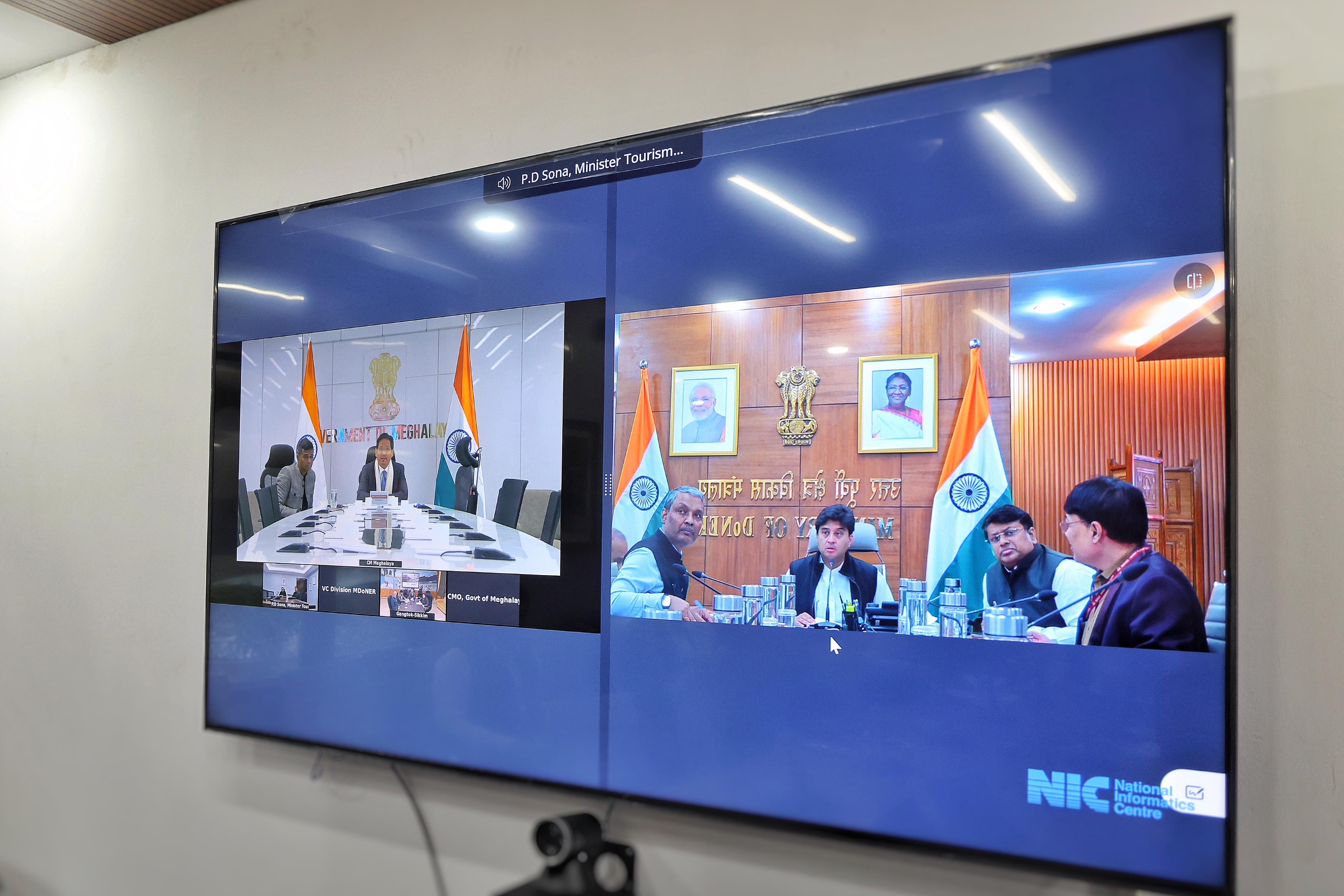

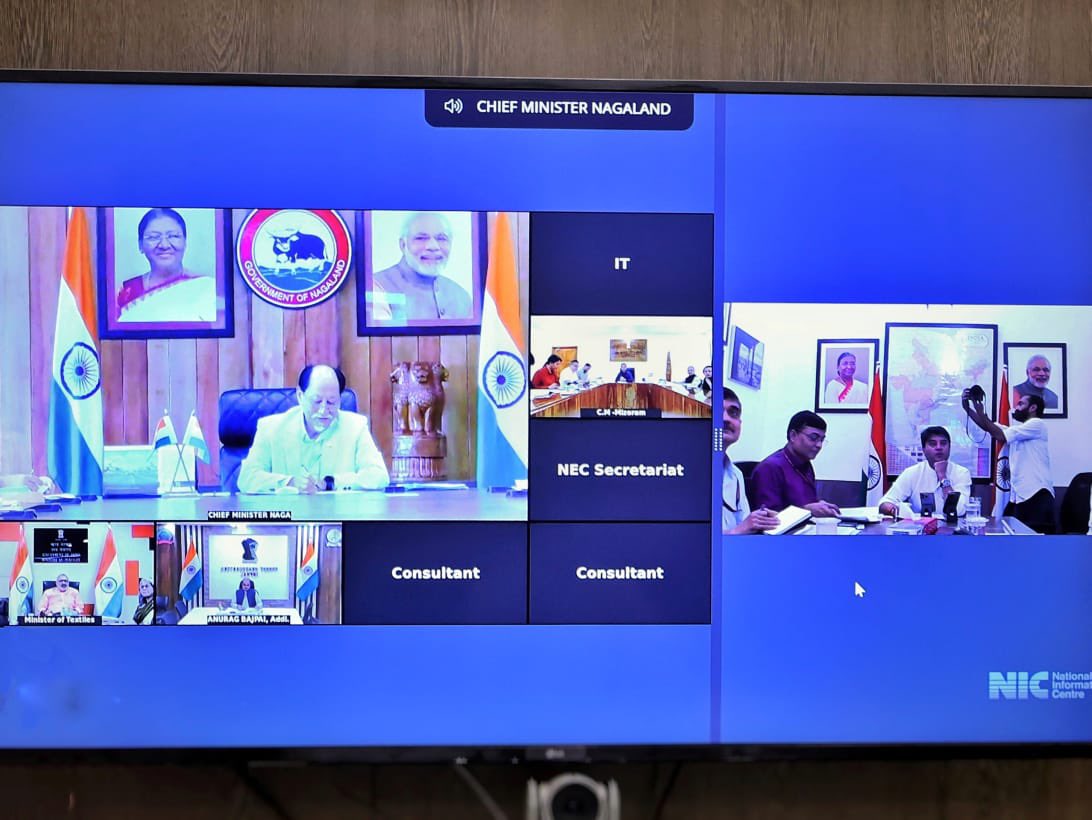
Shri Scindia emphasised that the Ministry of Textiles should lead with a structured strategy, beginning with one handloom and one handicraft product to demonstrate success. He highlighted the importance of aligning production with market demand and integrating buyers directly into clusters to ensure product differentiation and commercial viability.
The meeting stressed deploying resource persons at the cluster level and having buyer representatives present on the ground. This hands-on approach is expected to provide guidance, maintain quality, and align production with market requirements.
Shri Scindia noted, “By bringing all stakeholders into the value chain, we will see how artisan incomes grow over the next 2–3 years. Handloom and handicrafts are India’s cultural wealth, and our objective is to make these art forms truly remunerative for the artisans.”
The initiative aims to deliver sustainable income growth while preserving traditional craftsmanship. Strategic interventions from government bodies, private partners, and state authorities will ensure that cluster-based development translates into measurable benefits for artisans across the North Eastern region.
The task force meeting represents a multi-stakeholder convergence that seeks to combine skill enhancement, sustainable practices, and market-led value chains, ensuring long-term viability and global competitiveness of Indian handlooms and handicrafts.