
Kochi, June 3, 2025:
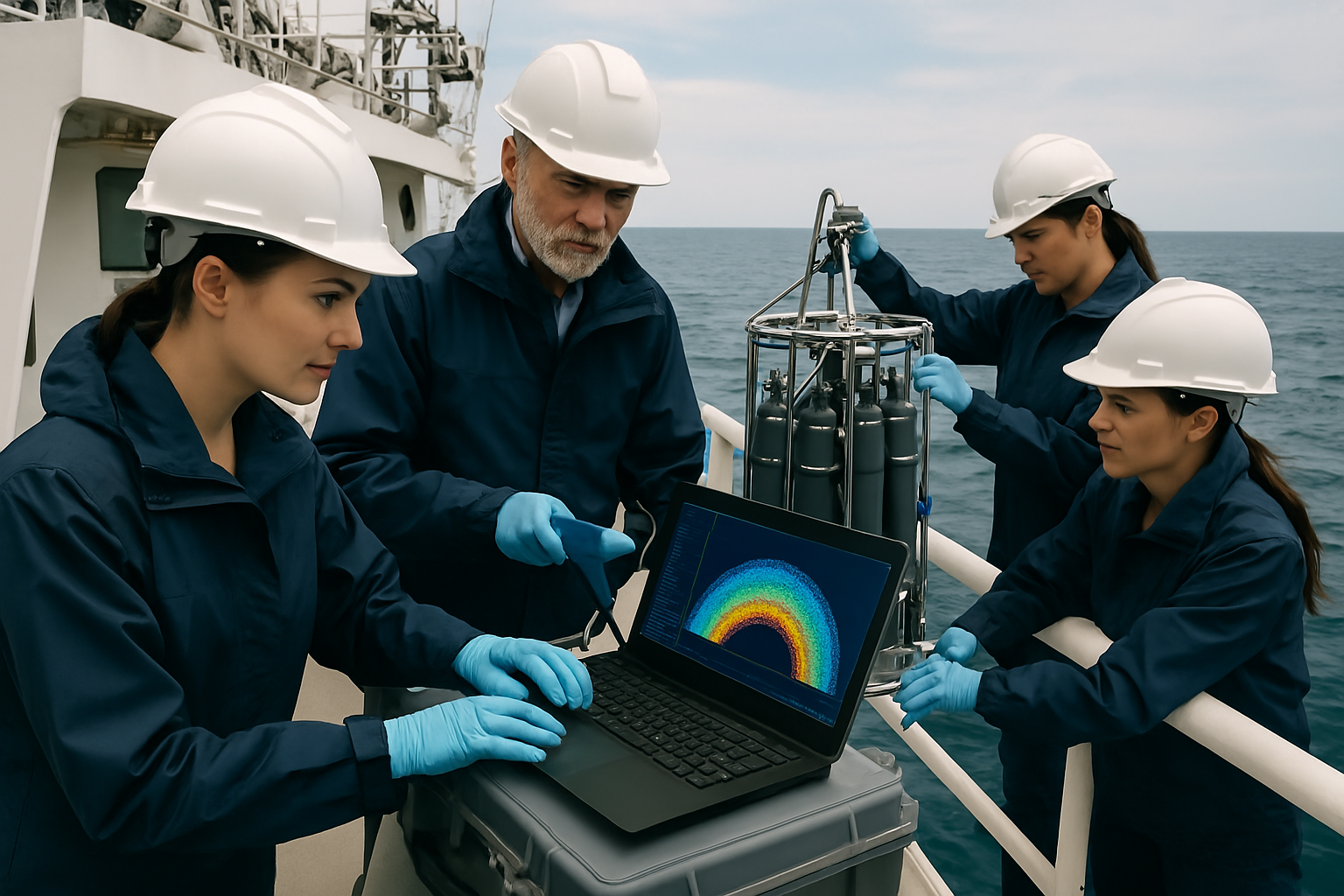
In the wake of a serious cargo vessel sinking off the south coast of Kochi, the Centre for Marine Living Resources and Ecology (CMLRE), under the Ministry of Earth Sciences (MoES), has launched an urgent 10-day oceanographic research mission to assess the environmental damage caused by the spill of hazardous materials into the Arabian Sea.

Study Mission Details
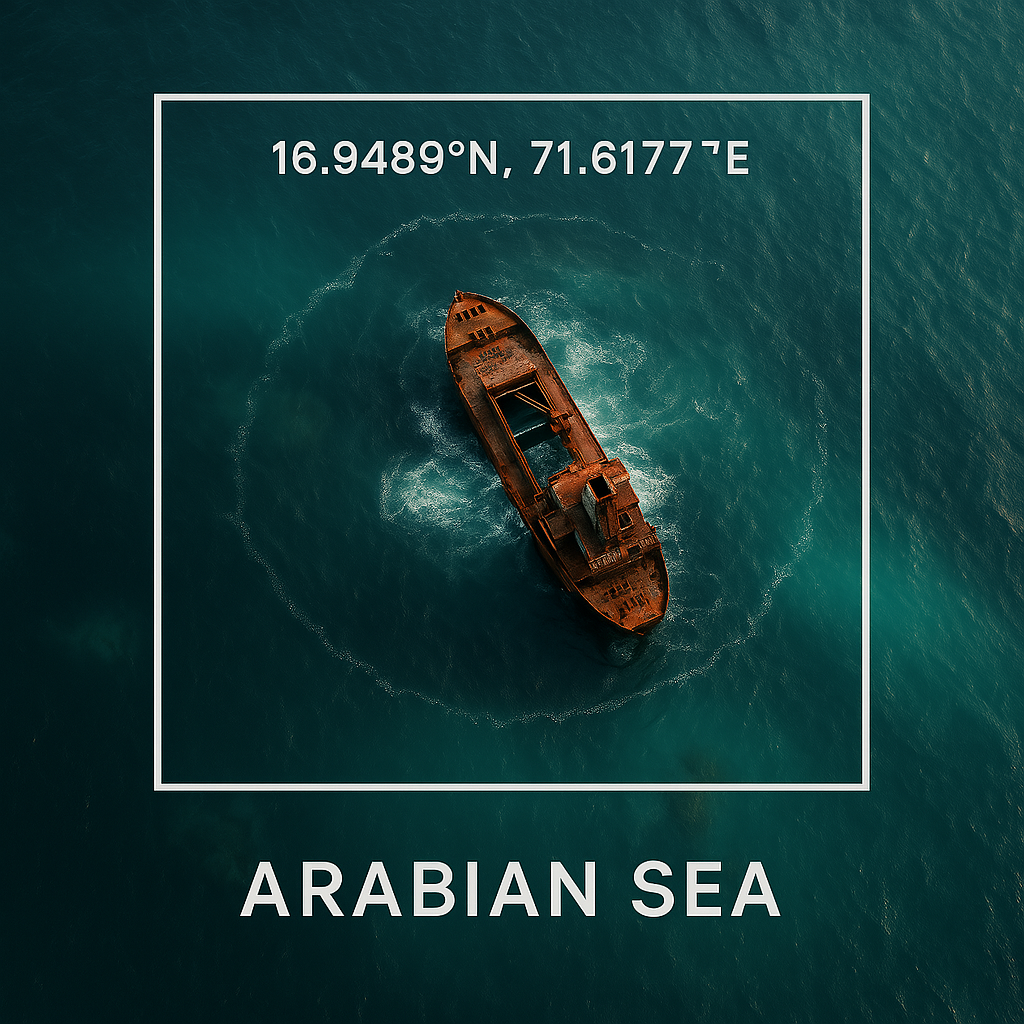
The research cruise, scheduled from June 3 to June 12, 2025, will operate out of Kochi. The voyage will cover a loop route from Kochi to Kochi, focusing particularly on the area surrounding the wreck site at coordinates 09°18.76’N and 076°08.12’E.
A total of 16 research stations have been set up across two meridional transects, spaced 10 nautical miles apart, to ensure thorough monitoring of the affected region.
Scientific Goals & Tools
The main aim of the mission is to understand the ecological and biogeochemical impacts of the spill, especially in one of India’s most biologically productive marine zones.
Key focus areas include:
-
Water contamination
-
Sediment toxicity
-
Marine life health
-
Ocean current mapping
Advanced equipment like Long-Range SONAR SX90 and multi-frequency echo sounders will be used to:
-
Locate the shipwreck
-
Map water column disturbances
-
Identify fish schools and biological anomalies
Chemical and Biological Sampling
The team will conduct detailed analysis of water and biological samples. Key parameters include:
-
Dissolved oxygen
-
Chlorophyll levels
-
Nutrient concentration
-
Heavy metals
-
Polyaromatic hydrocarbons (PAHs)
-
pH and trace elements
-
Particulate organic matter & carbon
-
Microplastics
-
Toxicity levels
Biological sampling will assess the health of phytoplankton, zooplankton, and fish eggs and larvae.
Seafloor and Wreck Inspection
To study seabed contamination and benthic (bottom-dwelling) organisms, sediment samples will be collected using grab samplers.
Underwater and surface cameras, including a Big Eye camera, will be deployed to:
-
Check the wreck’s structural condition
-
Look for oil leaks
-
Observe stress in marine species
Expert Team and Long-Term Impact
The team comprises specialists in:
-
Physical oceanography
-
Marine biology
-
Fisheries acoustics
-
Marine chemistry
-
Environmental toxicology
Their interdisciplinary approach aims to:
-
Measure the immediate damage
-
Lay the foundation for long-term environmental monitoring
-
Suggest mitigation and recovery strategies
Why It Matters
The Arabian Sea—especially the Kochi to Kanyakumari sector—is a spawning and breeding ground for commercially important fishes like sardines, mackerel, and anchovies, particularly in May and June, the beginning of the monsoon season.
Any disruption in this fragile zone could have cascading effects on:
-
Regional ecology
-
Fisheries
-
Coastal communities
Millions in India depend on these marine resources for food and livelihood.