
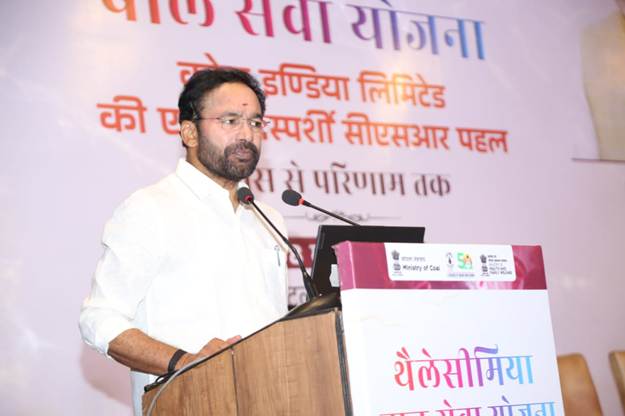
On the occasion of World Thalassemia Day 2025, Coal India Limited, in collaboration with the Ministry of Coal and the Ministry of Health & Family Welfare, marked a significant milestone in its compassionate journey to support children battling life-threatening blood disorders. The Thalassemia Bal Sewa Yojana (TBSY), a flagship CSR initiative of Coal India, was celebrated in a special event in New Delhi for its transformative impact on the lives of over 700 children who have undergone life-saving bone marrow transplants under the scheme.
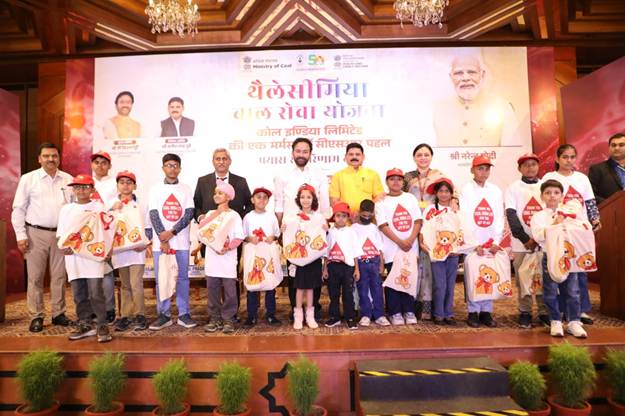
The event brought together senior government officials, medical professionals, hospital partners, NGOs, and most importantly, the young warriors and their families who have been directly touched by the initiative. Minister of Coal and Mines, Shri G. Kishan Reddy, expressed heartfelt admiration for the scheme’s success and reaffirmed the government’s commitment to expanding its reach through the visionary goal of “One State, One Hospital” for bone marrow transplants. His words reflected the deep human element at the heart of this programme, as he recognized the burden it has lifted off families—emotionally and financially—and its promise to give a second chance at life to children from even the most remote regions.
The scheme not only offers financial assistance of up to ₹10 lakh per child but also uses a real-time online portal to streamline the application process and ensure transparency. Its reach, which began with just four hospitals, has now extended to 17 premier medical institutions, offering hope to many more families. The initiative has grown not just in numbers but in spirit—embracing rural awareness campaigns, collaborating with health ministries, and strengthening hospital capacities near coal sector areas.
Stakeholders across sectors came together with a united voice calling for early screening, genetic counseling, and increased public awareness, acknowledging that prevention is as crucial as the cure. The stories shared by the families and the children served as powerful reminders of the importance of patient-centric care and the life-changing power of collective goodwill and responsibility.
This event was more than a formal commemoration—it was a celebration of resilience, compassion, and the potential of public-private synergy in health care. It stood as a shining example of how corporate social responsibility, when led with empathy and foresight, can change the lives of vulnerable citizens and help build a healthier, more inclusive India.