
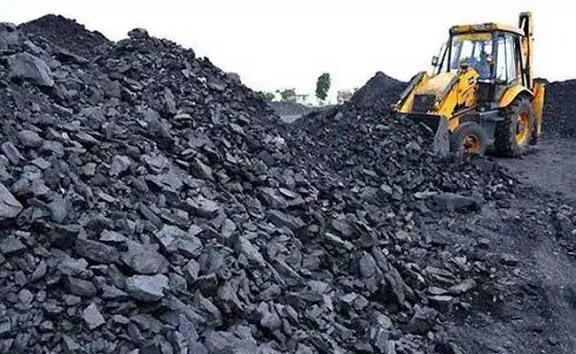

Coal washery rejects have so far been managed under a policy framework issued by the Ministry of Coal on May 27, 2021. The policy laid down a structured, priority-based mechanism for disposal, ensuring that such material is used in a manner that maximises value while minimising environmental impact.
Under this framework, the first priority was given to the extraction of energy from washery rejects. This approach is consistent with the Solid Waste Management Rules, 2016, which mandate recovery of energy from solid waste having a calorific value of 1,500 kcal/kg or higher.
Alternative Uses and Environment-Friendly Disposal
If energy extraction was not feasible, the second priority involved the use of washery rejects as a replacement for construction materials, in land reclamation projects, brick manufacturing, or other gainful applications. These uses not only reduce waste but also lower dependence on natural resources.
The third and final option, applicable only when the first two avenues do not materialise, allows for the disposal of washery rejects in mine voids or low-lying areas. Such dumping is required to be carried out in an environmentally responsible manner to prevent land and water degradation.
Major Change: No Prior Approval for Key Uses
Earlier, all three modes of disposal required prior approval from the Coal Controller Organisation (CCO), a process that often involved procedural delays. In a major step towards simplification, the Ministry of Coal has now dispensed with the requirement of prior permission from CCO for the first two disposal options.
This means coal washery rejects can now be utilised for energy extraction or alternative productive uses without waiting for regulatory clearance, significantly expediting decision-making and implementation at the ground level.
Regulatory Oversight Continues
Importantly, the requirement of prior approval from the Coal Controller Organisation continues for disposal under the third option—dumping in mine voids or low-lying areas. The government has retained this safeguard due to the close technical and environmental oversight required for such activities.
The CCO will continue to have the authority to inspect washeries, examine records, and draw samples from reject stock or material in transit to verify gross calorific value (GCV) and ensure compliance with prescribed norms.
Boost to Ease of Doing Business and Sustainability
The simplified framework is expected to substantially reduce operational delays and administrative burden for coal washeries. Faster disposal and utilisation of washery rejects will help companies optimise resources and improve overall efficiency in coal production.
At the same time, the reform encourages environmentally responsible practices by prioritising energy recovery and material reuse over dumping. This balanced approach reflects the government’s commitment to sustainable development and responsible mining.
By promoting optimal utilisation of domestic coal resources while ensuring regulatory oversight, the reform strengthens India’s energy security. It also supports the long-term vision of a Viksit Bharat through a resilient, efficient, and sustainable energy ecosystem.