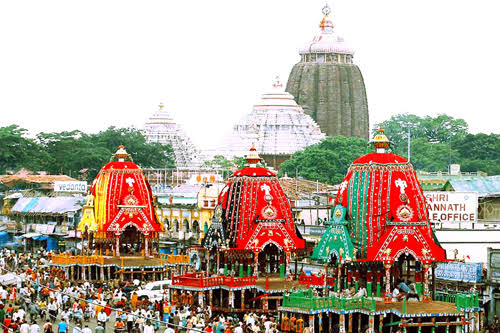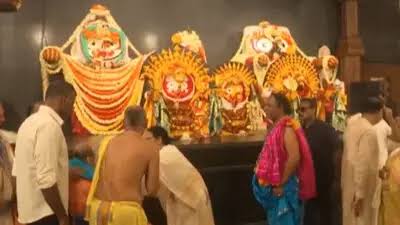
The recent inauguration of a new Jagannath temple in Digha, West Bengal, has sparked concern among the devotees and servitors of the famous Jagannath Temple in Puri. The new temple, built at a cost of Rs 250 crore on a 24-acre plot, stands as a replica of the ancient shrine in Puri, approximately 350 kilometers away. Digha’s temple, like its counterpart in Puri, is dedicated to Lord Jagannath, Lord Balabhadra, Goddess Subhadra, and Goddess Mahalaxmi, following the same spiritual tradition.
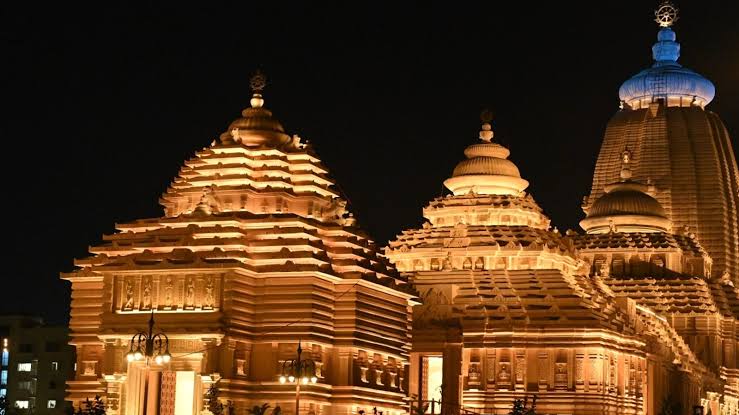
The new temple is an impressive structure, standing 213 feet tall, constructed in sandstone and designed in the Kalingan architectural style, mirroring the Puri temple’s grandeur. However, the temple’s opening has raised eyebrows, particularly among the servitors in Puri. Groups like the Suar Mahasuar nijog, which prepares the sacred offerings for the Puri temple, have issued warnings to their members, urging them to refrain from participating in rituals at the Digha temple. The concerns stem from the belief that copying the traditional rituals of Puri at Digha could dilute the sacredness of the original shrine.
One of the most significant objections revolves around the use of the word “Dham” to describe the Digha temple, a term traditionally reserved for the four holiest pilgrimage sites in Hinduism: Badrinath, Dwarka, Puri, and Rameswaram. Servitors from Puri, including the revered Daitapati Ramachandra Dasmohapatra, have pointed out that Lord Jagannath is believed to be Daru Brahma, a deity made from wood, not stone, which is the material used for the idols in Digha. This, they argue, compromises the authenticity of the new temple.
Economic concerns also play a role in the apprehension surrounding the Digha temple. Puri has long been a major pilgrimage destination for people from West Bengal, with a significant portion of tourists from the state. The Digha temple, with its grandeur and accessibility, is expected to attract many of these devotees, potentially diverting tourist traffic away from Puri. While some believe the temple in Digha could emerge as a competitor, others suggest that Puri’s deeply ingrained significance in the spiritual landscape and its established infrastructure are unlikely to be overshadowed in the short term.
The West Bengal government’s move to introduce non-Hindu visitors to the Digha temple, in contrast to Puri’s more exclusive practices, has also raised concerns. As the debate continues, many feel that while the Digha temple could contribute to regional religious tourism, it should not overshadow the time-honored traditions of Puri, a temple that holds a special place in the hearts of millions of Hindus.