
A Call for Cultural Change in Cooperatives
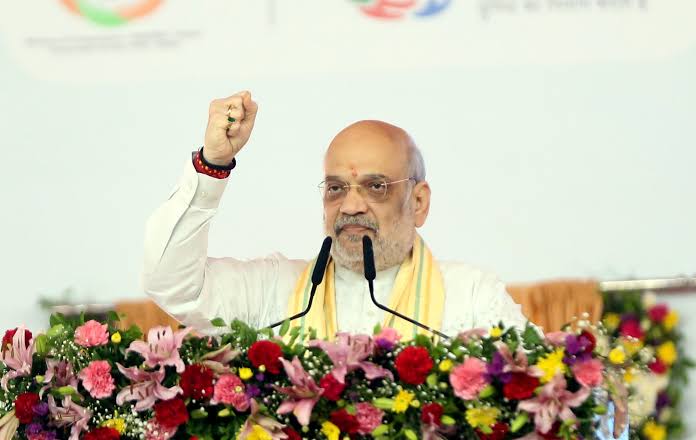
At the fourth foundation day celebration of the Ministry of Cooperation in Anand, Gujarat, Union Home and Cooperation Minister Amit Shah delivered a clear message: Indian cooperatives must reform their work culture to stay relevant and succeed.
Speaking at Amul Dairy, Shah emphasized that transparency, technology, and member-first thinking should guide every cooperative—from Kashmir to Kamakhya.
“Cooperatives cannot prosper without technology,” Shah declared, as he set the tone for a renewed roadmap for India’s cooperative movement.
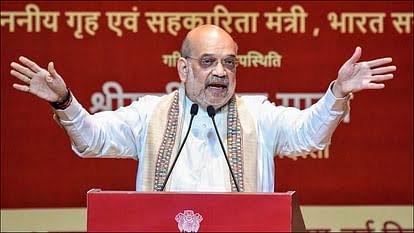

To modernize and streamline India’s cooperative ecosystem, the Narendra Modi government established the Ministry of Cooperation in 2021. Since then, the Ministry has taken several impactful steps toward grassroots transformation.
Shah outlined a series of achievements. These include registering over 2 lakh Primary Agricultural Credit Societies (PACs), launching India’s first cooperative university, and forming three national-level dairy cooperatives.
“Our vision is clear—cooperatives must empower not just individuals but entire communities,” he noted.
Five-Point Roadmap to Reform
To drive meaningful change, Shah unveiled a five-point action plan:
-
People – Deliver tangible benefits to citizens
-
PACs – Strengthen rural credit and supply chains
-
Platforms – Build a solid digital backbone for cooperatives
-
Policy – Push progressive reforms for transparency and growth
-
Prosperity – Ensure economic gains reach all segments of society
Each element aims to create a more accountable, inclusive, and efficient cooperative model, especially for rural farmers and workers.
AMUL: A Proven Model of Cooperative Success
To illustrate the impact of a well-run cooperative, Shah cited Amul’s remarkable success story. With its turnover expected to exceed ₹1 lakh crore this year, Amul shows what’s possible when vision aligns with execution.
Additionally, Shah inaugurated new automated processing units and a mozzarella cheese plant, signaling the Ministry’s commitment to value addition and rural job creation.
“This is the power of the cooperative model—when implemented properly, it transforms lives,” Shah asserted.
Honoring the Legacy of Syama Prasad Mookerjee
The event also paid tribute to Syama Prasad Mookerjee, the founder of Bharatiya Jana Sangh. Shah remembered Mookerjee’s vital role in integrating Jammu and Kashmir with the rest of India.
He highlighted Mookerjee’s opposition to Article 370, quoting his iconic slogan:
“Ek desh mein do Vidhan, do Pradhan aur do Nishan nahi chalenge.”
(One country cannot have two constitutions, two prime ministers, and two flags.)
According to Shah, this ideology laid the foundation for the revocation of Article 370 in 2019, leading to the complete constitutional integration of Jammu and Kashmir.
Cooperatives as Pillars of Rural Economy
Shah concluded with a compelling vision: Cooperatives must serve as the backbone of India’s rural and agricultural economy. To reinforce this point, he mentioned that more than 60 initiatives are currently underway to strengthen this sector.
“India’s development story is incomplete without its villages,” he emphasized. “And for that, cooperatives must lead with innovation, fairness, and efficiency.”
Final Thoughts
Ultimately, Shah’s address went beyond symbolism—it was a strategic roadmap for India’s cooperative future. As the nation continues its development journey, cooperatives must rise to the occasion by adopting technology-driven solutions, inclusive policies, and community-first thinking.
If India wants its villages to thrive, its cooperatives must lead the charge into a new era of empowerment and prosperity.