
What happened
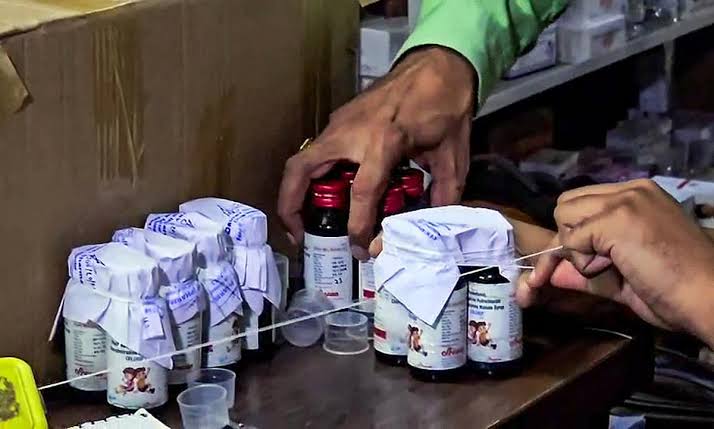
Between late September and early October, clusters of acute kidney failure in young children emerged in Chhindwara and other districts. Local testing and hospital investigations linked the fatalities to a specific Coldrif batch that contained the industrial solvent diethylene glycol (DEG) at levels far above permissible limits. State authorities report dozens of suspected cases; at least 20 deaths have been reported so far.


The DGHS letter — circulated to state and UT drug controllers — reiterated the need to follow provisions of the Drugs Rules, specifically batch testing of raw materials and finished products and maintenance of testing records. It asked drug controllers to intensify inspections, ensure manufacturers use only approved vendors, and to monitor quality control systems closely. Several states have already suspended sales of the implicated batch and ordered wider sample testing.
On-ground action: probes, bans and arrests
A Special Investigation Team (SIT) from Madhya Pradesh has travelled to Tamil Nadu to probe the manufacturer, and state authorities have sealed production units linked to the Coldrif brand. Multiple states — including Maharashtra, Rajasthan and Kerala — have restricted the sale of the named batch and launched door-to-door surveys to trace distributed bottles. At least one paediatrician in Chhindwara has been arrested in connection with dispensing the syrup, and several drug inspectors have been suspended amid administrative inquiries.
Public-health implications
DEG contamination has been implicated in high-mortality events in other countries in recent years. Regulators warn that lax vendor checks, poor excipient quality control, and inadequate lab testing are repeat vulnerabilities in the supply chain. The Health Ministry has begun risk-based inspections of manufacturing units across multiple states and asked for prioritized toxicology testing of suspect samples. WHO and international partners are monitoring for any potential exports of affected lots.
What families and clinicians should do now
Authorities advise families to stop using any cough syrup from the identified maker or the suspicious batch number and to seek immediate medical care for children showing vomiting, decreased urine output or lethargy. Drug controllers have asked pharmacies and hospitals to report and surrender suspect stocks and to share samples with state labs for confirmatory testing. Public awareness campaigns and targeted labelling for syrups harmful to young children are being rolled out in some states.
Accountability and reform
The tragedy has triggered political outcry and calls for judicial probes from opposition leaders. Regulators have promised criminal and administrative action where negligence is established, and plan stricter monitoring of excipient supply chains, mandatory lab accreditation for toxicology, and enhanced GMP enforcement. As investigations continue, the DGHS directive seeks to prevent further loss of life by closing immediate quality gaps in manufacturing, testing and distribution.