
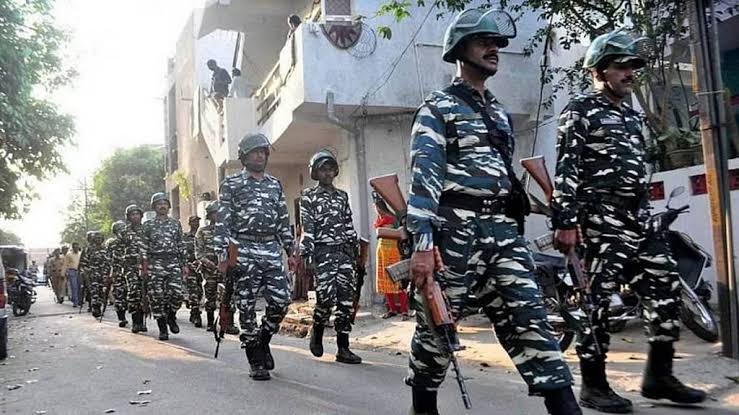
New Delhi, 26 May 2025 — In a deeply troubling development, a Central Reserve Police Force (CRPF) jawan has been dismissed from service and taken into custody by the National Investigation Agency (NIA) on charges of allegedly sharing sensitive information with Pakistani intelligence operatives.


The accused, identified as Assistant Sub-Inspector Moti Ram Jat, was stationed in Kashmir and came under scrutiny after his social media activity raised red flags among senior officers. Sources indicate that his digital footprint triggered concerns, prompting an internal inquiry followed by interrogation by CRPF and central intelligence officials. Eventually, the matter was handed over to the NIA, which filed a case under the Unlawful Activities (Prevention) Act and the Bharatiya Nyay Sanhita.
According to the NIA, Jat was allegedly involved in espionage activities since 2023, leaking classified information pertaining to intelligence inputs, operational details, and the location of key security installations to Pakistani intelligence handlers in exchange for money. A spokesperson from the agency confirmed that he had received funds through intermediaries for this activity.
He was produced before a Special NIA judge at Patiala House Court in Delhi on Friday and remanded to 15-day NIA custody. The court underscored the serious national security implications of the case, noting that breaches of this nature within the armed forces demand thorough investigation due to the potentially irreparable damage they can cause.
On the same day, the CRPF terminated Jat’s service with immediate effect. A senior officer from the force confirmed the decision, expressing dismay over the betrayal of the organization’s trust and values.
The CRPF, India’s largest paramilitary force, plays a critical role in maintaining security and conducting counter-terrorism operations in conflict-sensitive areas like Jammu and Kashmir. Incidents like this strike at the heart of its commitment to national security.
This arrest comes amidst a broader and intensified crackdown by Indian law enforcement and intelligence agencies on individuals suspected of maintaining links with Pakistan-based operatives. Over the past month, similar cases have surfaced in Punjab, Haryana, Gujarat, and Uttar Pradesh, where at least 19 individuals have been apprehended on charges ranging from unauthorized information sharing to espionage.
The revelations have shocked many within the ranks and outside, as such incidents not only compromise the safety of personnel on the ground but also shake public confidence in the very institutions meant to safeguard the nation. While the investigation continues, the case serves as a sobering reminder of the persistent threats facing India’s security infrastructure—and the human vulnerabilities within it.