

New Delhi, December 11, 2025: The Department of Atomic Energy (DAE) informed Parliament that, between 2020 and 2025, radiation-based breeding techniques led to the development and release of 23 new crop varieties for farmers across India.
Variety Breakdown and BARC’s Wider Contribution
According to the parliamentary response, the 23 varieties released over the past five years include seven rice varieties, five mustard varieties, three black gram (urad) varieties, three sorghum (jowar) varieties, two groundnut varieties, one mung bean variety, one sesamum (til) variety and one banana variety.
DAE highlighted that the Bhabha Atomic Research Centre (BARC) has, to date, developed and released a total of 72 improved crop varieties using radiation-induced mutagenesis and related breeding methods.
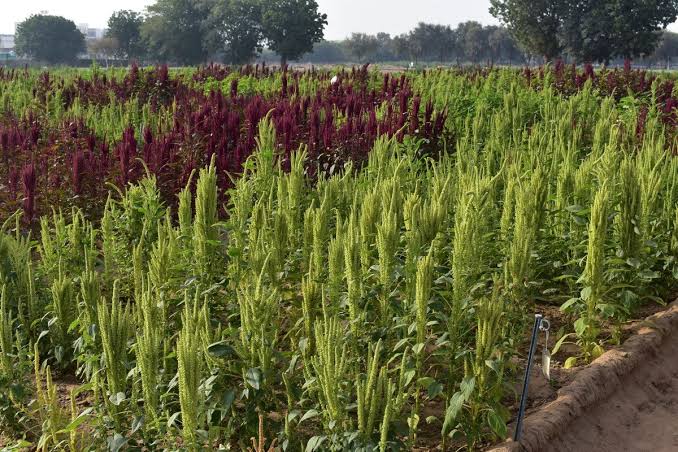

Radiation-based mutagenesis accelerates naturally occurring mutations to create genetic diversity that breeders can select for desirable traits. The newly released varieties target diverse agro-climatic zones and growing seasons rainy, post-rainy and summer offering farmers more choices suited to local conditions.
DAE emphasised the practical advantages observed in these releases: increased yield, larger seed size, reduced seed dormancy, early maturity, higher nutrient content, lodging resistance, enhanced disease resistance and wider tolerance to abiotic stresses such as drought and heat.
Safety and Evaluation: Not Radioactive, Rigorously Tested
The Ministry made a point to reassure the public that radiation-treated seeds are not radioactive. Only seeds are exposed to controlled doses of radiation to induce mutations; this does not render seeds radioactive and has been a safe global practice for nearly nine decades.
All candidate lines and mutants are put through a multi-stage evaluation pipeline. BARC breeding lines undergo station trials, multi-location trials and adaptive farmer-field trials within the ICAR/State Agricultural University (SAU) evaluation system. Superior genotypes are further tested for quality parameters such as oil, protein, carbohydrate and fat content before recommendation.
Regulatory Clearance and Farmer Adoption
Only after demonstrating clear superiority over local, zonal and national check varieties are mutant lines recommended for release by varietal identification committees constituted under ICAR/SAUs. Subsequent gazette notifications for formal release are issued by the Ministry of Agriculture & Farmers Welfare (MoAFW), enabling official cultivation by farmers.
This process ensures varieties reach farmers only after rigorous agronomic, quality and multi-environment testing aimed at delivering both productivity and resilience.
Implications for Indian Agriculture
Radiation-induced breeding complements other modern breeding tools by expanding the pool of genetic variation available to breeders, particularly when natural genetic variation for a trait is limited. The newly released varieties can help improve food security, farmer incomes and nutritional outcomes by providing resilient, higher-yielding options across different regions.
Researchers and extension agencies now face the task of accelerating farmer awareness and seed availability so that benefits translate quickly from research plots to real fields.
Where to Find More Information
Full parliamentary details on the statement are available via the Press Information Bureau. For technical resources and lists of released varieties, consult the Ministry of Agriculture & Farmers Welfare notifications and BARC publications.