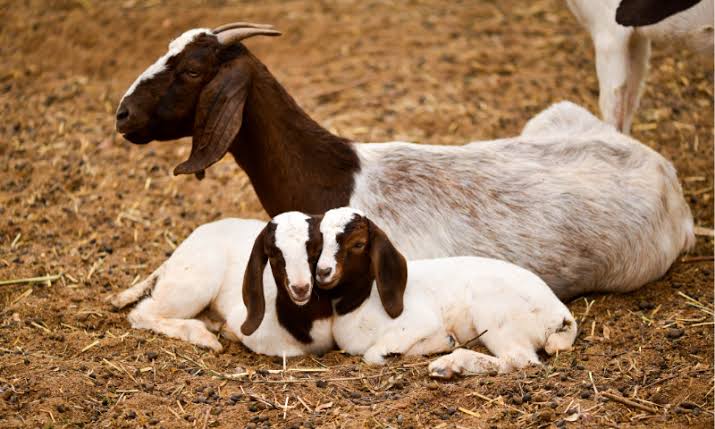
The event witnessed wide participation from State Animal Husbandry Departments, ICAR institutes, industry groups, start-ups, non-governmental organisations, entrepreneurs and sheep farmers from across the country.
 Leadership Emphasises Sectoral Potential
Addressing the symposium, Shri Naresh Pal Gangwar, Secretary, Department of Animal Husbandry and Dairying, highlighted how India’s dairy and poultry sectors have successfully built robust value chains through cooperative and private enterprise models.
He noted that India contributes nearly 25 percent of global milk production and ranks second in egg production worldwide, achievements made possible through integrated market linkages and institutional support.
Drawing a parallel, he stressed that the sheep and goat sector holds similar promise but remains underexploited. Often described as the “ATM of the poor,” sheep and goats play a vital role in sustaining small and marginal farmers, particularly in arid and semi-arid regions.
Need for Research-Driven Interventions
Shri Gangwar emphasised that strengthening the sector requires research-driven interventions that directly benefit farmers. He called for improved dissemination of scientific knowledge, better breeding practices and enhanced productivity in meat and wool.
He also underlined the importance of developing high-performing breeds, especially at a time when demand for wool is facing pressure from synthetic alternatives. Enhancing productivity, he said, is essential to maintaining farmer incomes and sectoral competitiveness.
Government Schemes and Financial Support
Dr. Muthukumarasamy B., Joint Secretary, DAHD, highlighted that the department is giving special emphasis to sheep breed improvement programmes under the National Livestock Mission (NLM).
Under the Entrepreneurship Development Programme of NLM, capital subsidies of up to 50 percent, subject to a maximum of ₹50 lakh, are being provided for sheep and goat projects with a capacity of 500 animals. He noted that the response to the scheme has been overwhelming.
He further added that the Animal Husbandry Infrastructure Development Fund is supporting activities such as waste-to-wealth initiatives, vaccine production units and primary wool processing facilities through a 3 percent interest subvention.
Focus on Capacity Building and Disease Control
Highlighting the importance of skill development, Dr. Muthukumarasamy stressed the need for private sector participation in training farmers and entrepreneurs. He also emphasised expanding the reach of artificial insemination services through mobile veterinary vans to rural households.
On disease control, Shri Gangwar underlined the need to strengthen veterinary services, with the central government supporting states through PPR vaccination programmes. Effective disease management, he noted, is critical given the sector’s export potential and growing domestic demand.
Technical Deliberations and Knowledge Sharing
Dr. Arun Kumar Tomar, Director of ICAR-CSWRI, delivered the welcome address and presented an overview of the current status of sheep, mutton and wool production in India.
The symposium featured technical sessions on wool, mutton, milk, sheep genetic resources and entrepreneurship in sheep husbandry. Farmers, entrepreneurs and experts engaged in detailed discussions on challenges, opportunities and policy support required for sectoral growth.
A newsletter titled “CSWRI at a Glance” was also released during the event, highlighting the institute’s research and outreach initiatives.