


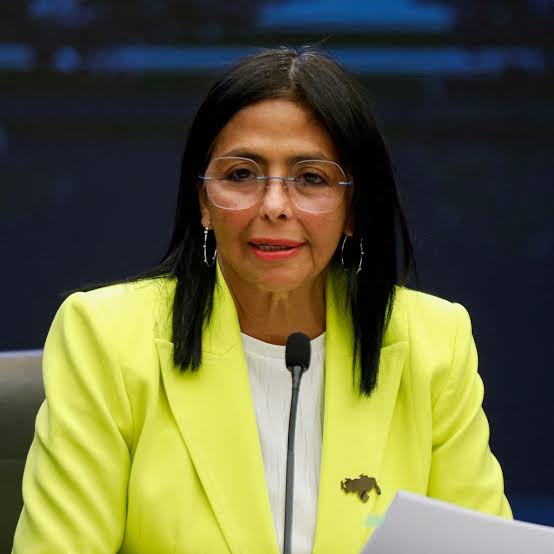
Interviews with diplomats, business leaders, and political sources reveal the delicate fault lines within Venezuela’s government. Rodriguez faces the challenge of asserting control while navigating US expectations, particularly regarding oil exports. Her alignment with the Trump administration appears to be crucial to her continued hold on power, as highlighted by her recent meeting with CIA Director John Ratcliffe in Caracas.
Cabello, head of the ruling PSUV socialist party, remains a formidable political adversary. Though publicly conciliatory toward Rodriguez, his control over security forces and deep connections with the colectivos present a persistent threat. Analysts warn that any attempt by Cabello’s faction to undermine Rodriguez could destabilize Caracas and other major cities.
Venezuelan citizens are grappling with uncertainty in the wake of Maduro’s capture. Local socialist party branches reportedly instructed members to monitor neighbors celebrating the ousting of Maduro. Meanwhile, inflationary pressures have surged, complicating Rodriguez’s task of stabilizing the economy.
The country’s sprawling military and civilian networks, including over 2,000 generals and admirals, exert significant control over oil, food distribution, and private enterprises. Gonzalez, while appointed by Rodriguez, must navigate this entrenched network where Cabello’s allies retain influence. The balance of power within DGCIM and other security institutions remains a key question for political stability.
Internationally, pressure on Cabello continues. US Representative Maria Elvira Salazar emphasized that holding Cabello accountable under US law is essential for a democratic transition in Venezuela and the release of political hostages. Rodriguez’s future as the country’s leader may hinge on her ability to manage internal factions while maintaining US support.