

Titled “40 by 2040: Cost of inaction and delays in reaching Delhi’s air quality target”, the working paper analyses three decades of PM2.5 data (1989–2025) and models emissions trajectories under different intervention scenarios. The authors air quality researchers at Urban Emissions compare a “lockdown-level” emissions cut baseline with more modest policy scenarios to estimate exposure, mortality and economic impacts.
Key findings
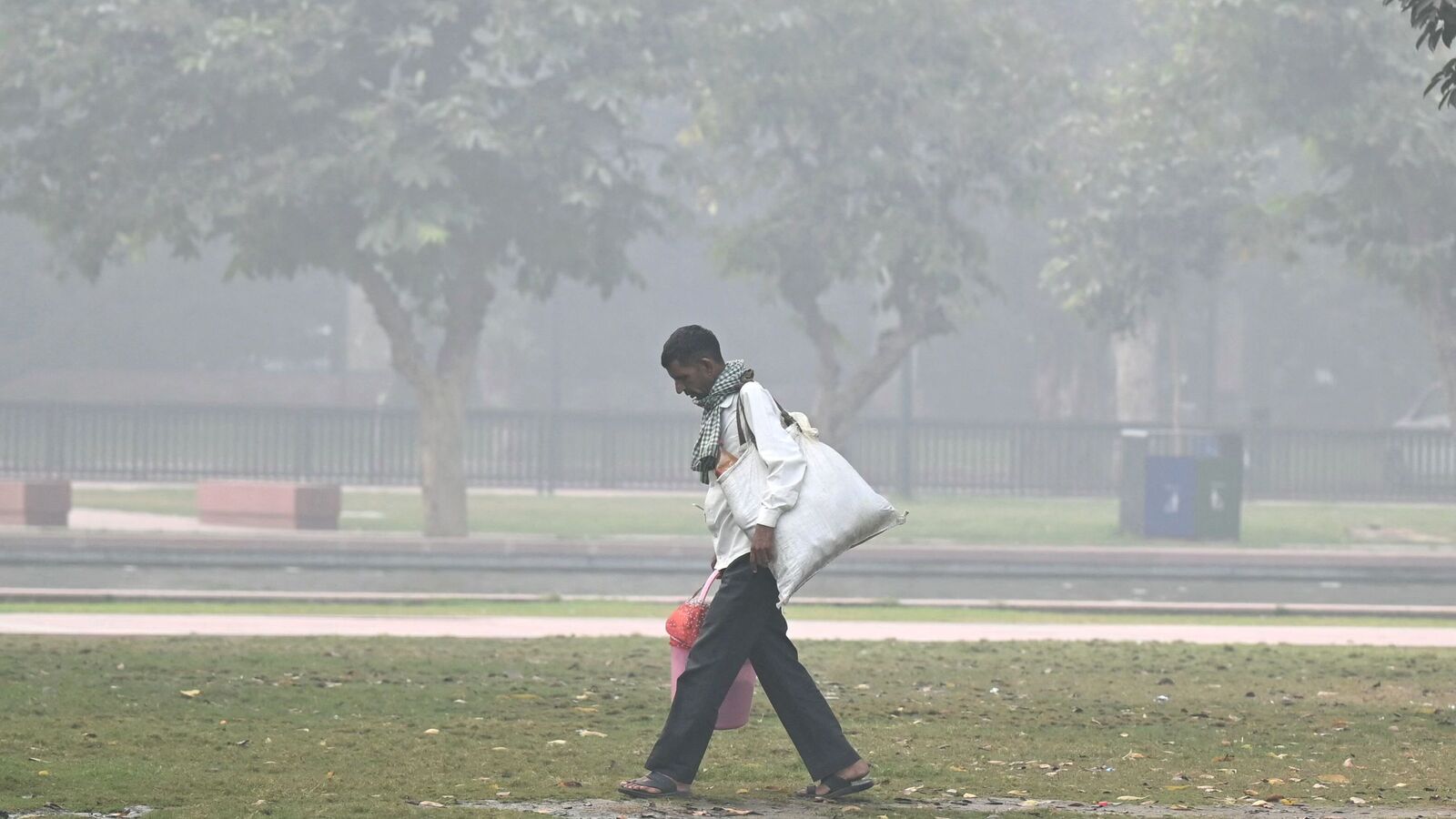
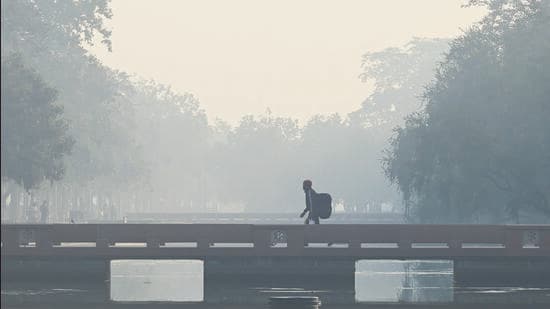
The study reports Delhi’s annual average PM2.5 has hovered around ~100 µg/m³ between 2019 and 2025, roughly 2.5 times the national standard and far above WHO guidance. Meeting the 40 µg/m³ target by 2040 would require deep, sectoral reductions including up to a 55% cut across anthropogenic sources, a 75% reduction in winter heating emissions and elimination of stubble-burning emissions.
Using the COVID-19 lockdown as a technical benchmark, the authors argue the level of emission cuts seen during constrained mobility and industrial slowdowns shows the reductions are technically achievable but only with sustained policy action rather than temporary measures.
Health and economic cost of delay
Urban Emissions quantifies two risks: the cost of inaction and the cost of delayed action. If Delhi reaches only 60 µg/m³ by 2040 instead of 40 µg/m³, the city will experience about 11.6% more exposure cases (and related health burdens) than the optimal trajectory. If concentrations remain at ~100 µg/m³, mortality-related exposure jumps by roughly 35.3% compared with the 40 µg/m³ path. These differences translate into substantial avoidable deaths and healthcare costs.
Why past plans faltered
The paper and parallel reporting emphasise implementation gaps. The National Clean Air Programme (NCAP) listed measures in 2019, but delayed or partial execution has limited impact. Local sources transport, construction, informal industry and waste burning continue to contribute year-round, while regional sources like crop residue burning spike winter pollution. Strengthening on-ground enforcement, funding absorption, and regional coordination are cited as critical missing links.
Policy implications and priorities
The study recommends a layered strategy: rapid expansion of clean mobility and low-emission public transport; stricter controls and support to transition informal industry; full implementation of cleaner fuels and household energy programmes; aggressive controls on construction dust and waste burning; and regionally coordinated stubble-burning interventions. It also calls for faster utilisation of NCAP funds and transparent monitoring of outcomes.
What Delhi citizens and planners should expect
Realising the 2040 goal requires persistent action over years, not seasonal fixes. Measures that temporarily reproduced lockdown-era declines (reduced traffic, slower industry) cannot be ethically or economically sustained; instead, structural shifts cleaner vehicles, industrial controls, waste management and regional agricultural reforms must replace emergency reductions. The authors stress that earlier, decisive implementation would avoid a large share of future health impacts.