
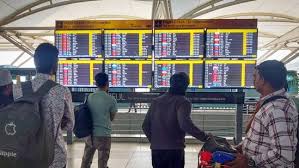
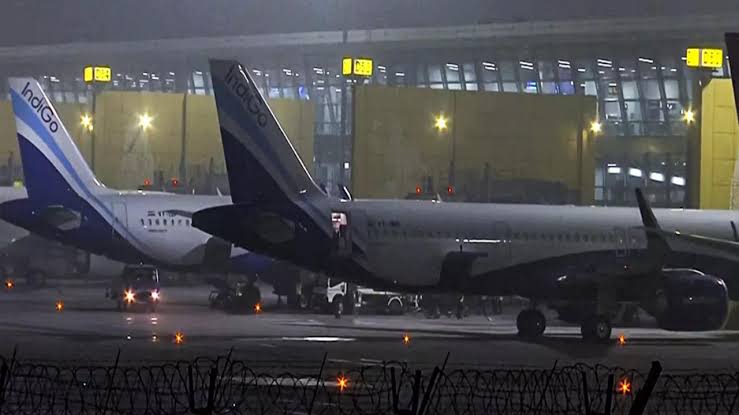

Air traffic controllers rely on AMSS to exchange flight-plan and operational messages between aircraft, airlines and ground systems. When the messaging system malfunctioned late Thursday, controllers switched to manual procedures to prepare flight plans a labour-intensive process that slowed operations and produced long queues at boarding gates.
Scale of disruption
Data from flight trackers and airline advisories showed widespread delays. At peak disruption, roughly 60–70 aircraft movements an hour that IGI normally handles were affected, with average departure delays reported between 45 and 60 minutes and some cancellations recorded as airlines reorganised schedules.
Airlines and passengers
Major carriers including IndiGo, Air India, SpiceJet and Akasa Air issued travel advisories asking passengers to check flight status before travelling to the airport and to arrive earlier than usual. Several international carriers also reported delayed departures to long-haul destinations. Markets reacted: some airline shares slipped on Friday amid investor concerns over operational risk.
Official response
The Airports Authority of India (AAI) said technical teams worked round the clock to repair the AMSS and that the system was “up and functional” by late evening. AAI warned that while the automated messaging service was restored, residual backlogs could continue to cause minor delays as queued data and flight plans were processed.
Delhi International Airport Limited (DIAL) and ATC partners coordinated with airlines to prioritise flights and reduce cascading delays across the domestic network.
Wider ripple effects
Because flight-planning information for many airports in the region passes through shared systems, operations at other hubs including Mumbai and several northern airports briefly felt the impact. Airport operators in affected cities issued advisories for passengers to monitor gate and airline updates.
Why AMSS matters
AMSS is a central messaging layer that feeds flight-plan information into downstream systems used by controllers, meteorological services and airlines. When it fails, manual entry and cross-checking are required to ensure safety a necessary but slower fallback that increases turnaround times and gate congestion.
What passengers should do now
If you are travelling from or via Delhi in the next 24–48 hours, check your airline’s official website or app for the latest status, keep contact details handy and expect longer processing times at security and boarding gates. Airlines advised travellers to allow extra buffer time for connections.