Delhi Rains, But No Waterlogging: A Promising Change
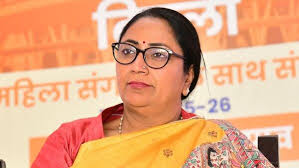
Despite intense rainfall across the capital, Delhi Chief Minister Rekha Gupta made a surprising announcement on Thursday—there was no waterlogging in major areas like ITO and Barapullah.
This statement came during her visit to Adhchini Village in South Delhi, where she inaugurated the DDA’s Aarambh Pustakalaya, a new public library aimed at encouraging community reading.
 Drainage Legacy Being Reversed
Speaking to reporters at the event, CM Gupta emphasized the government’s commitment to tackling one of Delhi’s most persistent urban challenges.
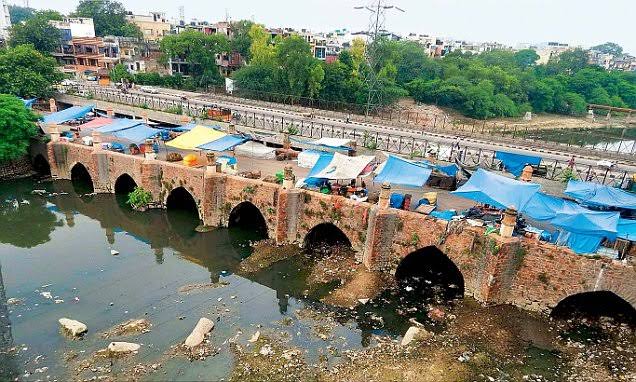
“This time, there was no waterlogging at ITO or Minto Bridge. The Barapullah and Kushak drains were also running smoothly,” she said. These locations, historically infamous for flooding during every monsoon, saw a welcome shift this year.
Inspections and Infrastructure Overhaul
The administration conducted multiple inspections ahead of the rains. Efforts were focused on de-silting drains, repairing pump houses, and setting up real-time monitoring of water levels.
According to officials, more than 180 vulnerable waterlogging points were identified and addressed preemptively.
The Delhi Jal Board and Public Works Department (PWD) worked closely to install new pumps and clean clogged drains—measures that significantly reduced flooding risks.
IMD Issues Red Alert, Yet Capital Stays Afloat
Interestingly, the India Meteorological Department (IMD) had issued a “Red Alert” for July 10, predicting heavy to very heavy rainfall across the NCR.
Despite that, the city remained largely operational, with major roads and underpasses open and traffic flowing normally—an outcome credited to advance planning and quick response mechanisms.
Long-Term Solutions in the Pipeline
While applauding the results, CM Gupta acknowledged that challenges remain. “Some areas still need long-term infrastructure upgrades,” she said.
Her government has promised that by next year, even the remaining localities prone to flooding will see a dramatic improvement. “We are working hard to ensure a better monsoon experience for every citizen,” Gupta assured.
Public Reaction and Social Media Buzz
Residents took to social media to express their surprise and relief. Many posted before-and-after photos of previously flooded areas, now dry.
“Can’t believe I drove through Minto Bridge without hitting a water pool,” tweeted a Delhi commuter. Others praised the administration for finally taking proactive steps that showed tangible results.
What This Means for Delhi
- Waterlogging-free monsoon boosts public confidence in civic governance.
- Helps maintain economic productivity by avoiding traffic jams and disruptions.
- Enhances Delhi’s preparedness for extreme weather under changing climate patterns.
Looking Ahead
With continued monitoring and execution of long-term plans, Delhi may soon overcome its chronic monsoon woes. CM Rekha Gupta’s administration appears determined to make this year’s success a stepping stone toward a more resilient city.
The road ahead still involves challenges, but for now, Delhi has a reason to smile—its streets are dry, and its citizens are hopeful.