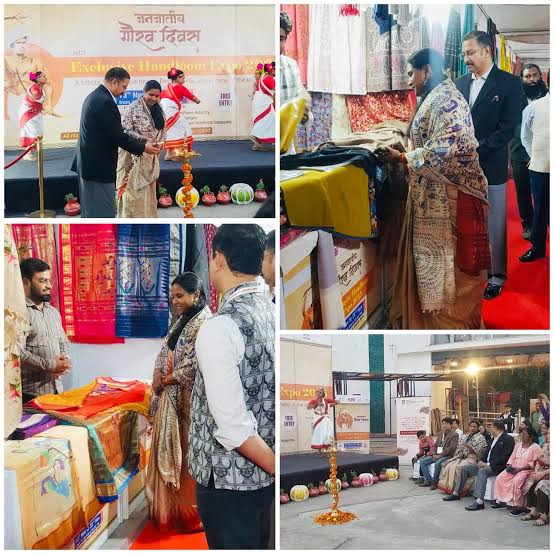
 Celebrating India’s Handloom Legacy
The expo is more than a marketplace—it is a celebration of India’s centuries-old weaving traditions. Sarees from regions such as Banaras, Kanchipuram, Sambalpuri, and Chanderi are on display, each representing unique craftsmanship and cultural identity. The event underscores the importance of preserving these traditions while adapting them to contemporary tastes.
NHDC’s initiative aims to provide direct market opportunities to artisans and weavers, ensuring fair value for their work. By connecting craftspeople with urban consumers, the expo strengthens livelihoods and sustains traditional practices that are often threatened by industrial production and fast fashion.
Empowering Weavers and Artisans
Handloom weaving remains one of India’s largest cottage industries, employing millions across rural and semi-urban areas. Events like the Saree Festival not only generate income but also inspire younger generations to take pride in their heritage. The Ministry of Textiles has consistently emphasized the role of handloom in India’s cultural and economic fabric, and this expo reflects that commitment.
Artisans participating in the festival highlight how such platforms help them reach new customers and expand their visibility. For many, the expo is an opportunity to showcase innovations in design while staying rooted in traditional techniques.
Visitor Experience
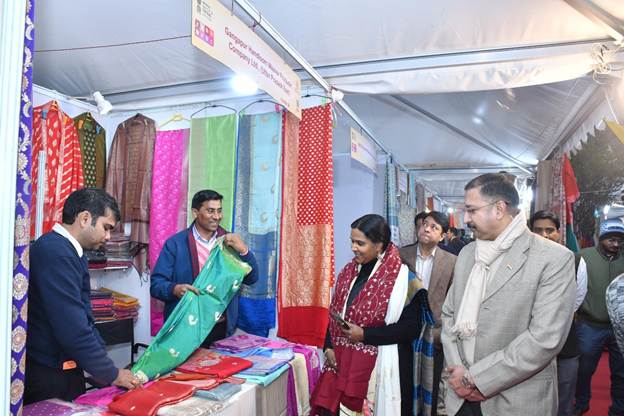
Handloom Haat, located at Janpath, offers a vibrant atmosphere for visitors. The stalls are designed to reflect regional identities, with colorful displays and live demonstrations of weaving techniques. Shoppers can interact directly with artisans, gaining insights into the painstaking processes behind each product.
Beyond shopping, the festival serves as an educational experience. Visitors are introduced to the stories behind iconic sarees, the symbolism of motifs, and the cultural significance of handloom in India’s social life. The event also encourages sustainable fashion choices, reminding consumers of the ecological benefits of handwoven textiles compared to mass-produced alternatives.
Government’s Continued Support
The Ministry of Textiles and NHDC have been actively promoting handloom through schemes, exhibitions, and awareness campaigns. Initiatives such as the Handloom Mark and India Handloom Brand have helped build consumer trust and recognition. The Saree Festival is part of this larger effort to integrate traditional crafts into modern markets.
According to NHDC, the focus remains on supporting livelihoods, enhancing design innovation, and ensuring that India’s handloom heritage continues to thrive. The expo is expected to attract thousands of visitors over its two-week duration, reinforcing the growing demand for authentic, handmade textiles.
Conclusion
The Exclusive Handloom Expo – Saree Festival is not just an exhibition; it is a cultural movement that bridges India’s past with its present. By celebrating the artistry of weavers and artisans, the event strengthens the identity of handloom as a symbol of resilience, tradition, and sustainable fashion. For visitors in New Delhi, it offers a rare chance to experience India’s textile heritage firsthand.