
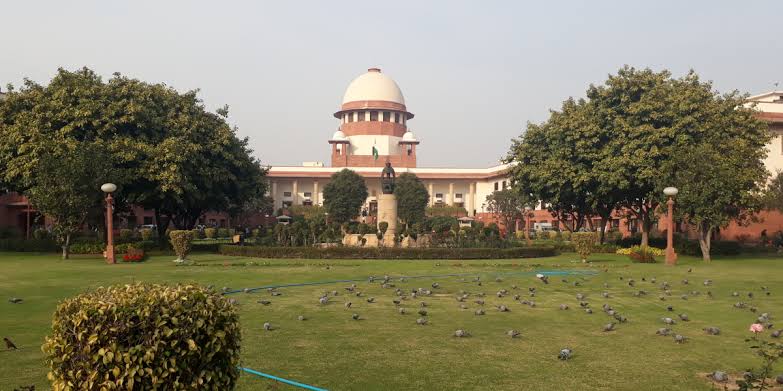
Upholding Discipline in Uniform
The Delhi High Court has upheld the dismissal of Lieutenant Samuel Kamalesan, an Army officer who refused to attend regimental religious parades. He cited his Christian faith as the reason.
Despite multiple counseling sessions, he did not change his stance. His refusal, the Army said, disrupted discipline and unit cohesion.
Court Prioritizes National Unity
A bench of Justices Navin Chawla and Shalinder Kaur ruled that the termination was not based only on his Annual Confidential Report. Instead, it was due to his conduct and repeated defiance.
“The Armed Forces operate on unity and discipline, not personal preferences,” the court noted.
The bench emphasized that India’s military is inclusive but must uphold strict standards, especially during combat operations.
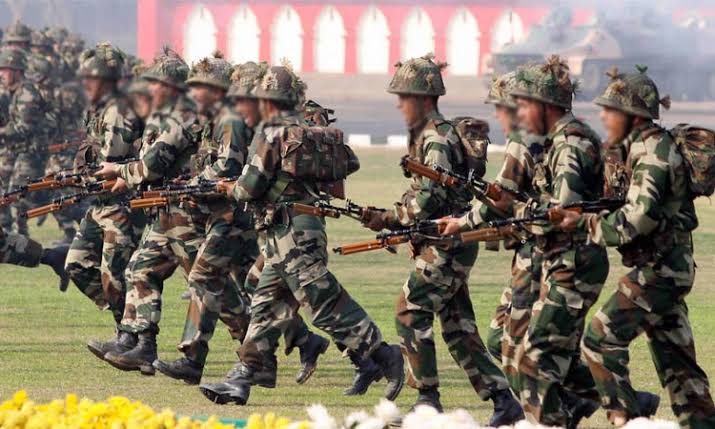

The Officer’s Argument
Lt. Kamalesan joined the 3rd Cavalry Regiment in 2017. The regiment includes Sikh, Jat, and Rajput squadrons. He claimed the unit lacked facilities for Christian worship and only supported Hindu and Sikh rituals.
He requested exemptions from weekly regimental events. However, Army officials explained that these ceremonies were secular in nature and essential to unit spirit.
Military Needs Are Unique
The Court acknowledged that religious freedom is a constitutional right. But it stressed that the military operates differently from civilian life.
“What may seem harsh in civilian life is necessary in uniform,” the court explained.
The bench said that disobedience in the name of religion, especially after repeated instructions, weakens morale and unity.
Why No Court-Martial?
The Army avoided a court-martial to respect religious sensitivity. Instead, it followed a formal review and dismissed the officer. The court ruled this approach fair and necessary.
A Delicate Balance
While the judges showed sympathy for the officer’s beliefs, they prioritized the larger mission of the Army. Military leaders must ensure every soldier aligns with commands—especially in critical situations.
“Even diverse regiments work under shared rules and goals,” the bench observed.
The court concluded that the dismissal was justified, given the potential risk to unit performance and combat readiness.
Reflections on the Case
This ruling brings attention to the tension between personal belief and professional duty. The verdict emphasizes that the Armed Forces, though secular, require a uniform code of conduct.
Officers must follow lawful orders. Disagreement, if unchecked, can weaken operational effectiveness.