
Severe Air Pollution Triggers Stage-IV Action
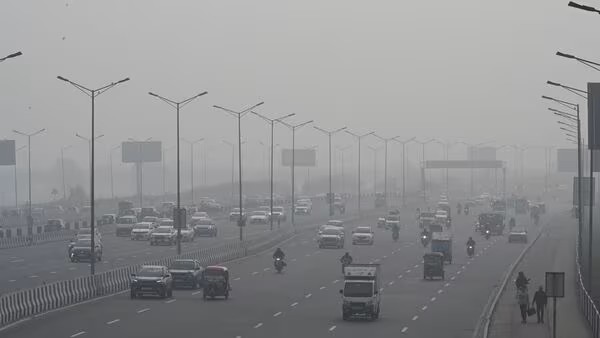
The Commission for Air Quality Management (CAQM) has imposed Stage-IV restrictions in Delhi-NCR due to a sharp rise in air pollution. The Air Quality Index (AQI) soared to 386, marked as “severe,” and is expected to cross 400 soon. Dense fog and cold temperatures are worsening the situation.

Strict Measures Under Graded Response Action Plan (GRAP)
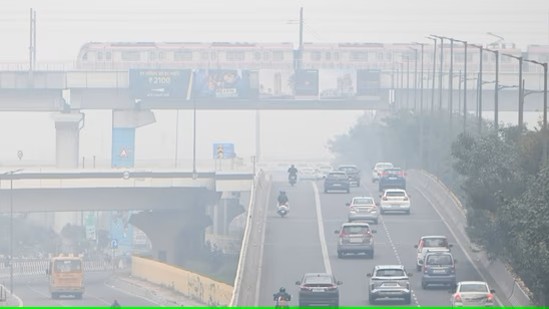
To combat this pollution spike, CAQM activated the highest level of the Graded Response Action Plan (GRAP). This plan activates strict steps when pollution reaches dangerous levels.
Key measures include:
-
Construction Ban: All construction and demolition work is stopped, except for essential public projects like hospitals, airports, and railways.
-
Stone Crushers Closed: Operations of stone crushers and mining activities across the National Capital Region (NCR) have been shut down.
-
Vehicle Restrictions: Older vehicles are restricted. BS-III petrol and BS-IV diesel vehicles are banned in Delhi, Gurgaon, Faridabad, Ghaziabad, and Noida. The only exception is vehicles modified for persons with disabilities.
-
Truck Entry Ban: Non-essential diesel trucks cannot enter Delhi. However, trucks running on LNG, CNG, electric, and BS-VI diesel are allowed.
-
Goods Vehicle Ban: Diesel-operated light commercial vehicles (LCVs) with BS-IV or lower standards are banned in Delhi unless transporting essential goods or providing critical services.
Why Such Restrictions Are Needed
Winter brings climatic conditions like low temperature and fog that trap pollutants close to the ground. This causes air quality to drop drastically, posing serious health risks.
CAQM stressed that these rules are part of a systematic approach to reduce pollution and protect public health during this critical period.
Call for Public Cooperation
Authorities have urged residents to follow guidelines strictly. They have also requested people to minimize outdoor activities and use public transport where possible. Public cooperation is key to improving air quality and reducing health hazards.
Health Risks from Severe Pollution
Severe pollution can lead to respiratory problems, heart issues, and eye irritation. Children, elderly people, and those with pre-existing health conditions are especially vulnerable.
By enforcing these restrictions, the government aims to reduce pollution levels quickly and prevent a health crisis.
Looking Ahead
The Stage-IV alert will remain until the air quality improves. CAQM will keep monitoring pollution levels closely and take further action if needed.
Everyone is advised to stay informed through official updates and take precautions to safeguard health.