
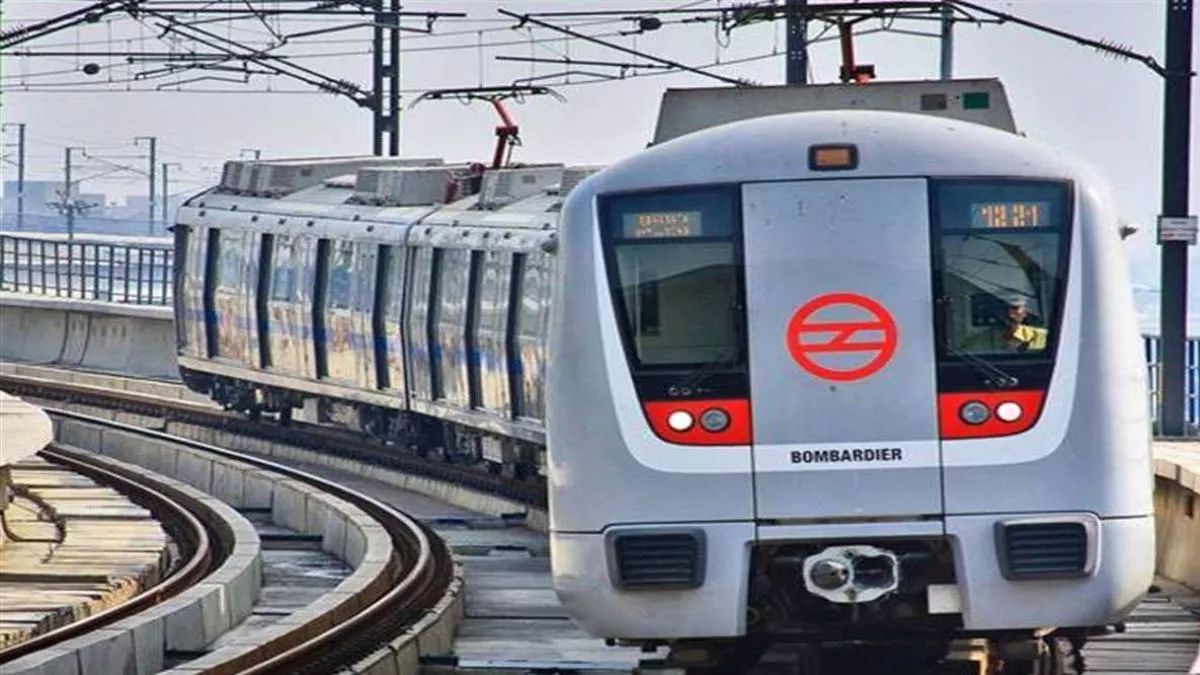
In a major boost to Delhi’s public transport infrastructure, the Central Government has approved Delhi Metro Phase 5A, expected to directly benefit nearly two lakh daily commuters across the national capital.
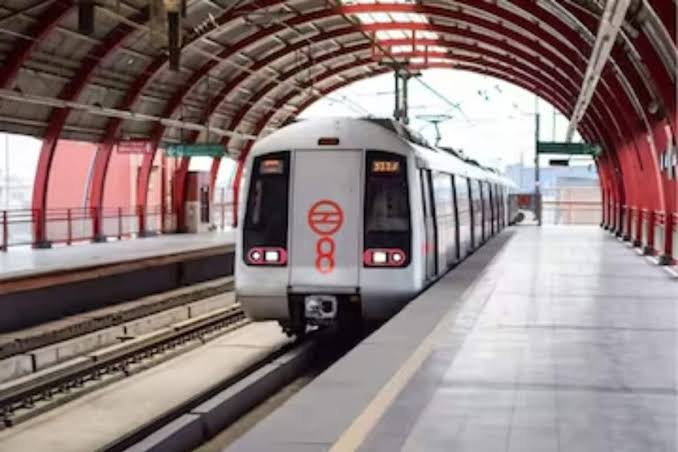

Under Phase 5A, around 16 kilometres of new metro corridors will be constructed at an estimated cost of ₹12,000 crore. The expansion includes 13 new metro stations, of which 10 will be underground and 3 elevated.
Officials said the new lines will cover areas facing heavy traffic congestion and limited metro connectivity, easing pressure on existing road networks.
Three New Metro Corridors Approved
The Cabinet has cleared three new corridors under Phase 5A:
- Aerocity to Indira Gandhi International Airport Terminal-1
- Kalindi Kunj to Tughlakabad
- Kartavya Bhavan to Parliament House area
These corridors aim to improve mobility for air passengers, government employees, and commuters in South and Central Delhi, ensuring faster and more reliable travel.
Longest and Costliest Section
The Ram Krishna Ashram Marg to Indraprastha stretch will be the longest and most expensive segment among the three corridors. Spanning 9.9 kilometres, the section is estimated to cost around ₹9,570 crore.
Once operational, this route is expected to significantly reduce traffic congestion along Ring Road and around the Nizamuddin Railway Station, which witnesses daily traffic bottlenecks.
Improved Airport and Noida Connectivity
A 2.3-kilometre Aerocity–Terminal-1 corridor, costing about ₹1,420 crore, will provide seamless airport connectivity for passengers and airport staff.
Meanwhile, the Kalindi Kunj–Tughlakabad corridor, covering 3.9 kilometres at a cost of ₹1,025 crore, will enhance travel between Delhi and Noida, offering a faster and smoother commuting option for daily passengers.
Three-Year Completion Target
Union Minister for Railways and Information Technology Ashwini Vaishnaw said the construction of Phase 5A will be completed within three years. He emphasized that the metro expansion aims to deliver fast, safe, and affordable transport to every part of the capital.
The government expects the project to reduce road congestion and lower vehicular pollution across Delhi.
Environmental Benefits
According to official estimates, the new corridors under Phase 5A could help reduce carbon dioxide emissions by nearly 33,000 tonnes. This further strengthens Delhi Metro’s position as a clean, sustainable alternative to private vehicles.
Delhi Metro has already earned global recognition as an environmentally friendly urban transport system.
Metro Network to Cross 400 km
At present, the Delhi Metro network spans around 352 kilometres, with 10 operational lines and 257 stations. After the completion of Phase 5A, the network will exceed 400 kilometres.
Started over two decades ago, the Delhi Metro has now become the world’s fourth-largest urban rail system, and the latest expansion is set to further transform the capital’s transportation landscape.