
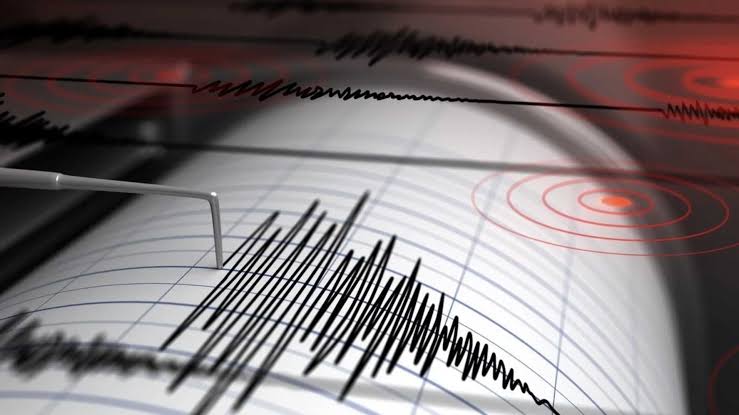
Two Days, Two Earthquakes: What’s Happening?
On Thursday morning, Delhi had already experienced a 4.4 magnitude quake. That too had originated in the Haryana region, highlighting a recurring seismic pattern in the area.
The latest tremor on Friday had its epicentre near Jhajjar (Latitude: 28.68°N, Longitude: 76.72°E), approximately 60 km from the national capital. The depth was recorded at 10 km by the National Center for Seismology (NCS).
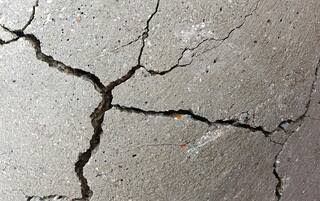

Delhi lies in Seismic Zone IV, which denotes a high-risk earthquake zone. It’s one level below the most dangerous zone (Zone V). According to experts, this makes Delhi vulnerable to frequent tremors, even if they are of low or moderate intensity.
The capital’s soil type, dense population, and unplanned urban expansion further increase the risks associated with even mild earthquakes.
Historical Context: Minor Quakes, Major Concerns
Over the past few years, Delhi-NCR has felt several low-intensity earthquakes. In 2022, a 4.1 magnitude quake—also originating from Haryana—was reported. Fortunately, it did not cause any damage.
The US Geological Survey reports that the region has not witnessed a quake stronger than magnitude 5 in over a decade. Yet, experts stress the importance of not underestimating low-intensity tremors, especially in vulnerable urban areas.
Voices from the Ground
“I felt the sofa shake. It was sudden and scary,” said Preeti Sharma, a resident of Dwarka, Delhi. “We all ran outside immediately.”
Social media lit up shortly after 8 PM, with users from Noida, Gurugram, and Ghaziabad confirming they had felt the tremors.
What Experts Say
Dr. R.K. Singh, a senior seismologist at IIT Roorkee, explained, “While these tremors may seem small, they are warnings. They help release tectonic stress, but if the pressure continues building, a larger event could occur.”
Experts recommend retrofitting old buildings and enhancing disaster preparedness across Delhi-NCR municipalities.
What Should You Do During an Earthquake?
Here are some quick safety tips from the National Disaster Management Authority (NDMA):
- Drop, Cover, and Hold under sturdy furniture.
- Stay away from windows, mirrors, and heavy furniture.
- If outdoors, move to an open space away from buildings and power lines.
- Do not use elevators during or immediately after tremors.
Delhi’s Earthquake Readiness: Still a Work in Progress
Despite being in Seismic Zone IV, Delhi’s disaster infrastructure is far from perfect. Many buildings in older colonies like Lajpat Nagar and Karol Bagh are not earthquake-resistant.
Moreover, there’s little public awareness about safe zones or evacuation routes. Experts are urging the Delhi government to conduct mandatory seismic audits and public drills.
What’s Next for Delhi-NCR?
While Friday’s 3.7 magnitude quake did not cause visible damage, it has once again reminded residents of their seismic vulnerability.
Government agencies, citizens, and city planners must collaborate to improve infrastructure, spread awareness, and prepare for emergencies. Small tremors can be warnings. The real test is in how seriously we respond to them.