The IMD has issued a yellow alert for Friday, forecasting a slight rise in minimum temperatures to 4–6°C, with further warming to 6–8°C expected over the weekend due to a western disturbance bringing warmer winds. IMD defines a cold wave when temperatures fall below 10°C and at least 4.5°C below normal.
Other parts of Delhi also experienced severe cold. Ayanagar reported 2.7°C, Lodhi Road 3.4°C, and Ridge 4.5°C. While the all-time January minimum at Safdarjung is -0.6°C (1935) and at Palam -2.2°C (1967), Thursday’s temperatures indicate a persistent cold spell gripping the city.
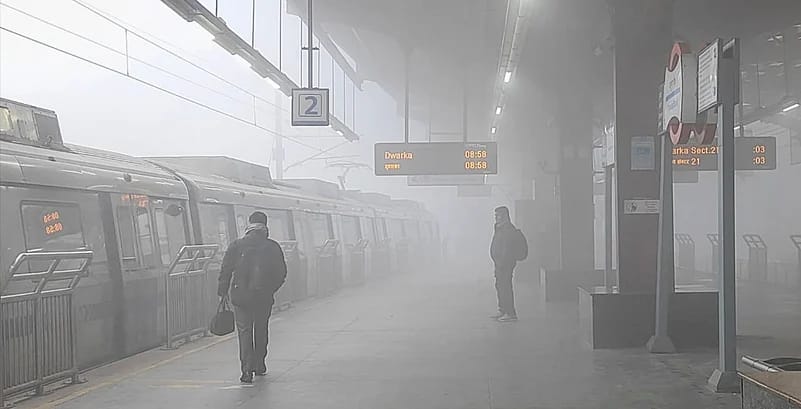
The cold wave, compounded by dense fog, significantly impacted visibility and transport. Visibility dropped to 50 metres at Palam and 100 metres at Safdarjung between 6 and 9 AM, leading to over 500 flight delays at IGI Airport and disruption of train schedules in Northern Railways.
Fog intensity varies from shallow (500–1,000 metres) to very dense (below 50 metres). According to IMD, dense fog in Delhi contributed to slow traffic and travel delays. “Multiple stations logged coldwave conditions on Thursday. Relief is expected over the weekend,” said an IMD official.
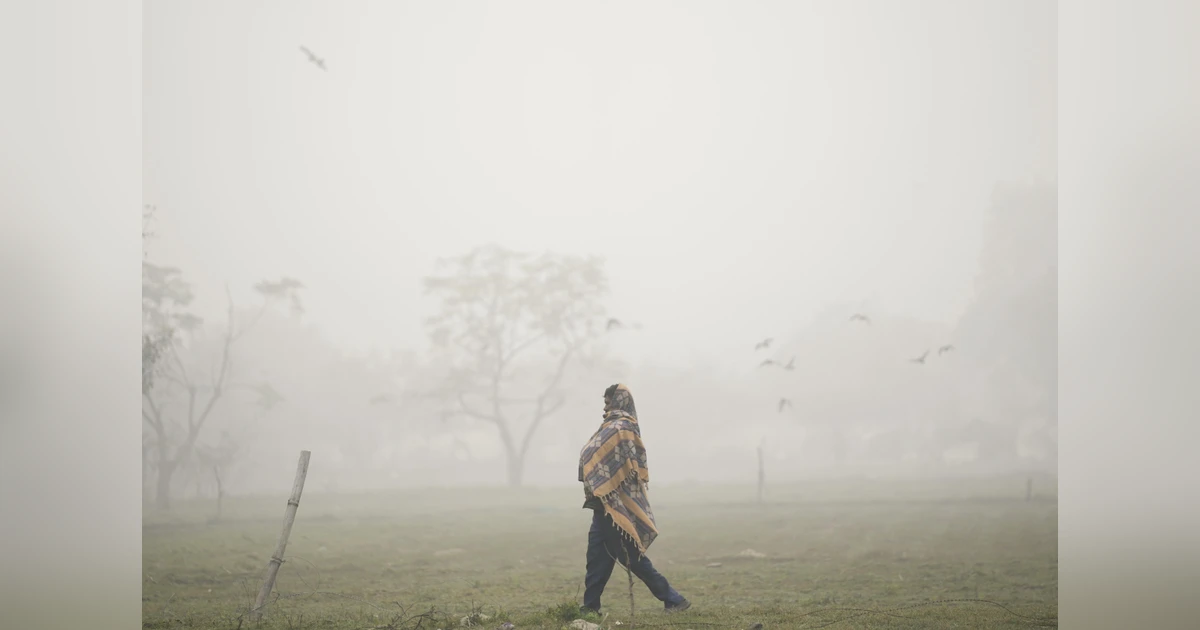 Skymet vice president Mahesh Palawat noted that a second, more active western disturbance is expected to bring possible rain on January 22–23, while current cold northwesterly winds are expected to shift to milder easterly winds. Meanwhile, fresh snowfall was observed in the Himalayan region due to the ongoing western disturbance.
Delhi’s air quality also remained a major concern, staying in the “very poor” category with an AQI of 343 on Thursday. The Centre’s Air Quality Early Warning System predicts “severe” air quality conditions on January 18. The city has already experienced three consecutive “very poor” air quality days this week.
Authorities have urged residents, especially children and the elderly, to take precautions against cold-related health issues. The combination of frigid temperatures, dense fog, and air pollution underscores the challenges faced by the capital in mid-January.