
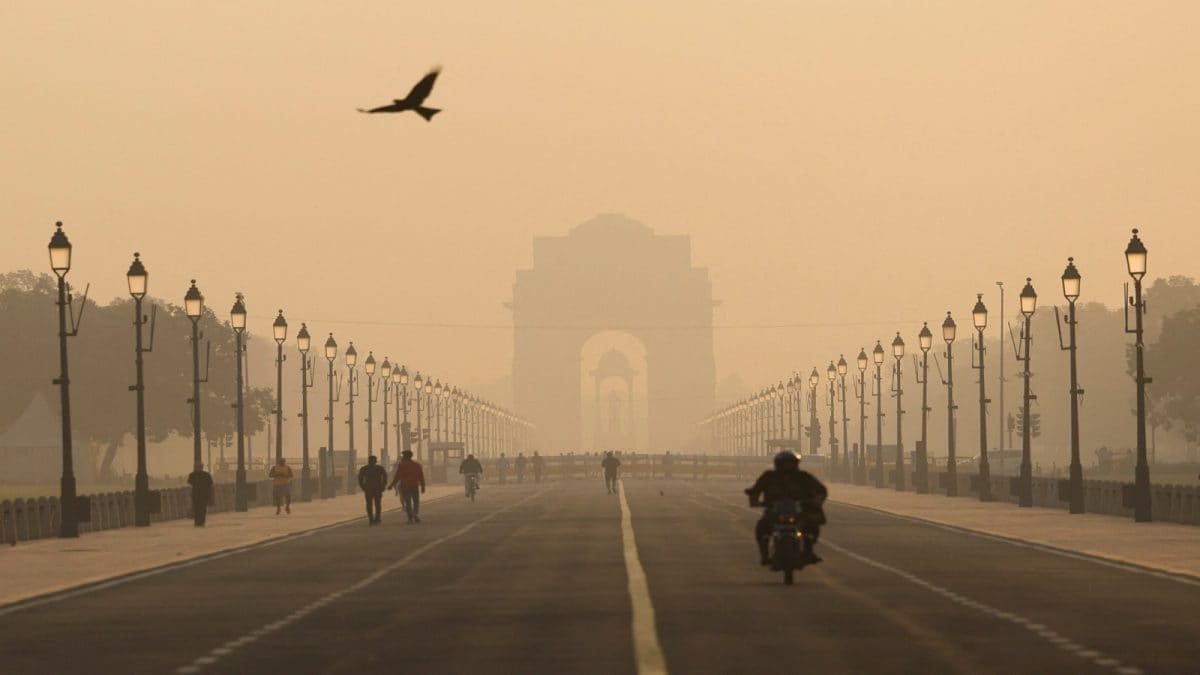
New Delhi: The capital woke up to a choking morning on Diwali 2025 as air quality plummeted into the ‘severe’ category. According to the Central Pollution Control Board (CPCB), the Air Quality Index (AQI) around India Gate reached 347 — indicating hazardous pollution levels.
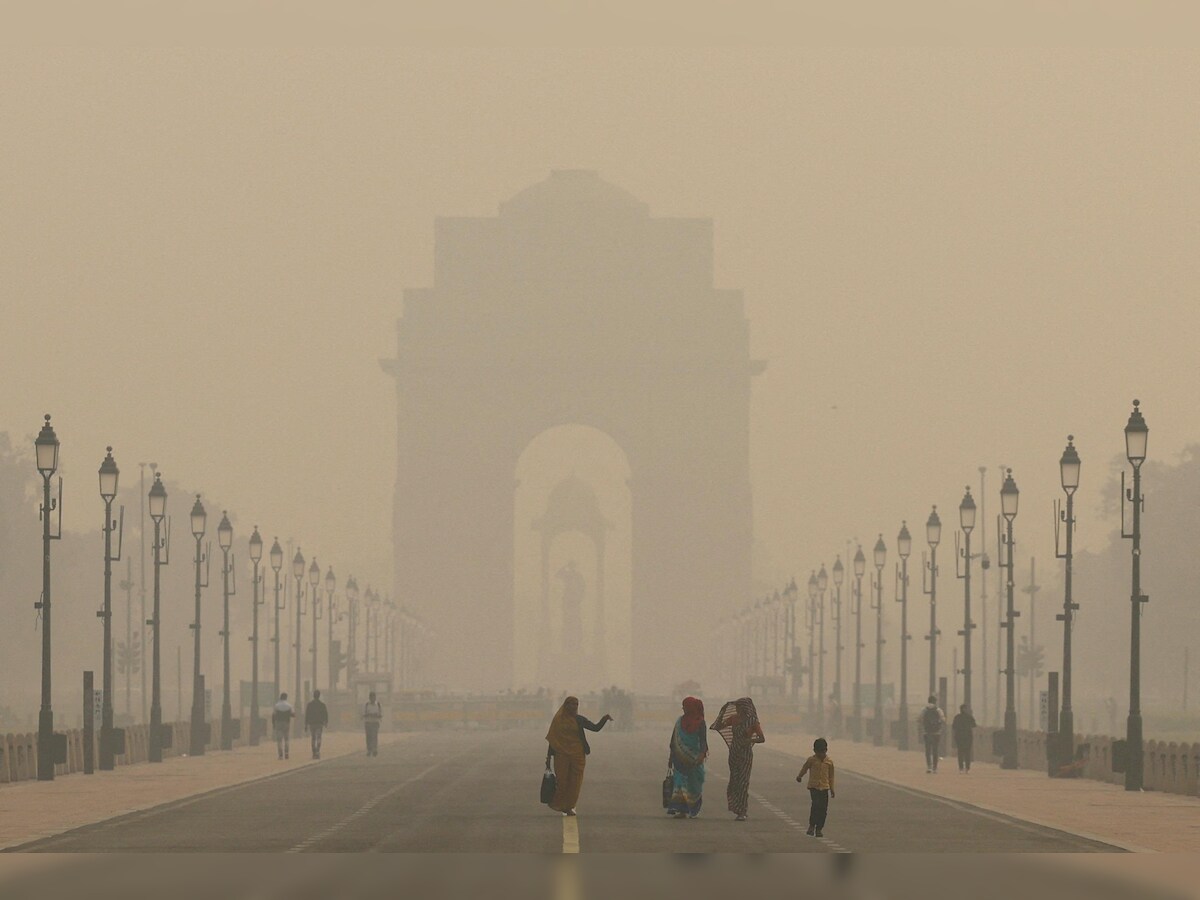

In response to the worsening air, authorities activated Stage II of the Graded Response Action Plan (GRAP-II) on Sunday evening. This phase, triggered when air quality becomes ‘very poor’, mandates intensified measures including mechanical road sweeping, halting construction dust, and strict surveillance on waste burning.
Stage I actions had already been in force since October 14, but rising particulate matter levels and festive emissions pushed the administration to escalate to the next phase.
24 Monitoring Stations in ‘Very Poor’ Category
Data from CPCB showed that 24 of Delhi’s 38 monitoring stations recorded AQI levels in the ‘very poor’ bracket late Sunday night. Areas like Anand Vihar, Jahangirpuri, and Dwarka were among the worst-affected zones. The smoky haze reduced visibility and worsened respiratory discomfort for residents.
IMD Forecast: No Immediate Relief
The India Meteorological Department (IMD) has predicted that Delhi’s air quality will remain in the ‘severe’ range for the next two days due to stagnant weather and limited wind movement. Officials warned that post-Diwali fireworks and continued low temperatures could further aggravate pollution levels.
Green Firecrackers and Limited Windows
The spike in pollution came shortly after the Supreme Court permitted the use of green firecrackers in Delhi-NCR within restricted hours — from 6 am to 7 am and 8 pm to 10 pm — between October 18 and 20. Despite these restrictions, several parts of the city reported late-night firecracker bursts, contributing to the rapid deterioration in AQI.
CAQM Directs Strict Vigilance
The Commission for Air Quality Management (CAQM) has instructed agencies to enforce compliance with dust mitigation and emission control guidelines. Construction activities without dust barriers have been ordered to stop, and road-watering frequency has been doubled across major intersections.
Health Risks and Public Advisory
Health experts have cautioned residents, especially children, the elderly, and those with respiratory illnesses, to minimize outdoor exposure. The Delhi government has advised the use of N95 masks, indoor air purifiers, and limited vehicular use until conditions improve.
Hospitals in the NCR region reported a rise in cases of breathlessness, coughing, and eye irritation post-Diwali night, prompting renewed calls for stricter emission control and public awareness campaigns.
Public Reaction and Civic Response
Many residents took to social media to express frustration over recurring smog events, calling for long-term solutions like electric mobility, crop residue management, and stricter festival firecracker regulations. Environmental activists also urged policymakers to enhance regional coordination with Haryana, Punjab, and Uttar Pradesh to curb stubble burning.