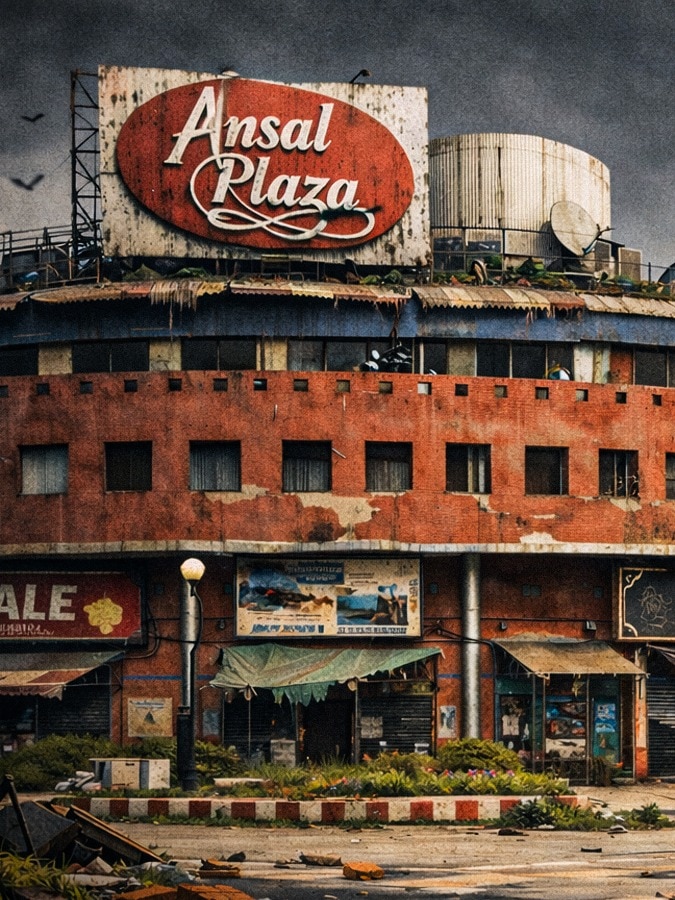
 The Rise of Delhi’s First Mall
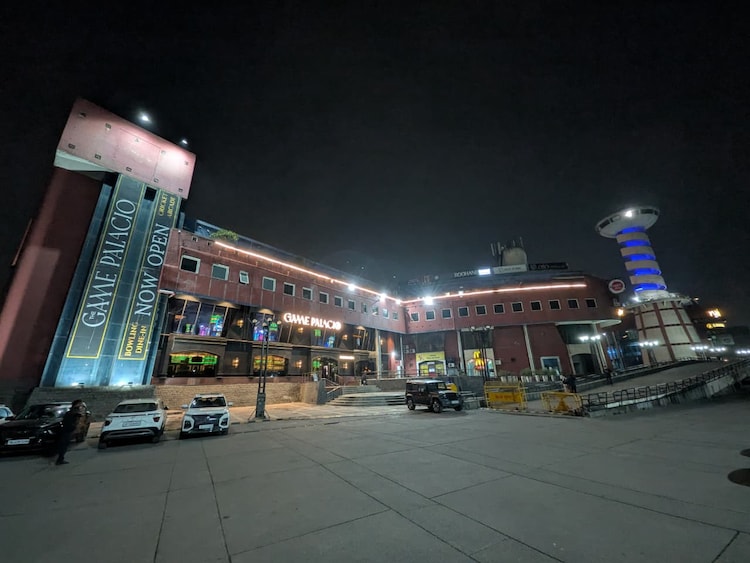
When Ansal Plaza opened its doors in South Delhi, it represented a novel shopping experience. With air-conditioned interiors, branded stores, and food courts, it quickly became a favorite weekend destination. For early Delhi boomers, it was more than a mall it was a social hub where families, friends, and young couples spent their leisure time.
Changing Retail Trends and Competition
Over the last two decades, the rise of larger, modern malls with integrated entertainment zones and luxury brands has shifted consumer attention away from older centers like Ansal Plaza. Select Citywalk, DLF Promenade, and newer commercial complexes in South and West Delhi offer more attractions, leaving traditional malls struggling to maintain footfall.
Impact on Urban and Cultural Memory
For locals, Ansal Plaza remains a nostalgic landmark, often referred to as Delhi’s OG mall. Its decline reflects not only the evolution of retail trends but also changing urban lifestyles. While newer malls cater to entertainment and lifestyle, older malls like Ansal Plaza struggle to adapt, leaving behind shuttered corridors and a ghostly atmosphere.
Looking Ahead
Urban planners and retail analysts suggest that revitalizing such historic malls could involve integrating modern retail strategies, co-working spaces, and cultural events to attract younger audiences. Without such interventions, Ansal Plaza risks fading further from Delhi’s commercial and social landscape.