 What the New DGCA Rules Say
The aviation regulator issued the amended Civil Aviation Requirements (CAR) on February 24, making the refund and cancellation process more passenger-friendly. Under the new framework, airlines must provide a ‘look-in option’ for 48 hours after booking.
During this period, passengers can cancel or amend their tickets without incurring any cancellation fee. However, if the change involves switching to a different flight, the passenger will have to pay the difference in fare, if applicable.
This facility will not apply to flights scheduled to depart within seven days for domestic travel or 15 days for international travel from the booking date, when tickets are booked directly through the airline’s website.
Name Corrections Within 24 Hours
In another significant move, the DGCA has clarified that airlines cannot levy additional charges for correcting minor name errors, provided the request is made within 24 hours of booking. This applies only when tickets are booked directly through the airline’s official website.
The rule is expected to benefit passengers who often face heavy correction fees due to small spelling mistakes in names.
Refund Responsibility and Timeline
The regulator has also tightened norms regarding refund timelines. Airlines are now required to complete the refund process within 14 working days, even when tickets are booked through travel agents or online portals.
The DGCA made it clear that the responsibility for refunds lies with the airlines, as travel agents act as their appointed representatives.
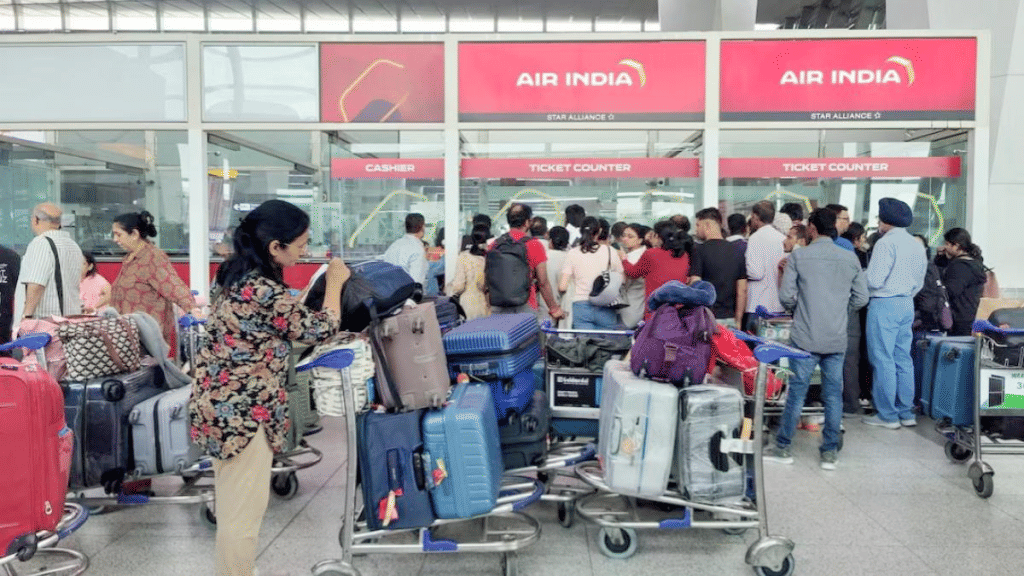
The changes come amid rising passenger complaints over delayed refunds, particularly during operational disruptions. In December 2025 alone, airlines received over 29,000 passenger-related complaints, with around 7.5% related to refunds.
Medical Emergency Provisions
The revised guidelines also address ticket cancellations due to medical emergencies. If a passenger or a family member listed on the same PNR is hospitalised during the travel period, airlines may provide either a refund or a credit shell.
In other medical situations, refunds will be processed after the airline’s Aerospace Medicine specialist or a DGCA-empanelled specialist reviews the passenger’s fitness-to-travel certificate.
Why the Policy Change Matters
India is one of the fastest-growing aviation markets globally, with domestic airlines carrying over 16 crore passengers in 2025. With such large passenger volumes, refund disputes and cancellation complaints have steadily increased.
The revised Civil Aviation Requirements aim to strengthen consumer protection and improve transparency in airline operations. Industry experts believe the move will build greater trust between passengers and airlines while reducing regulatory disputes.