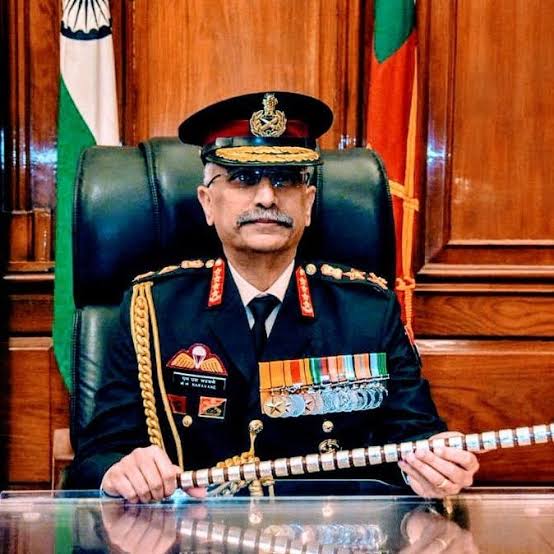
 A Knife-Edge Moment at the LAC
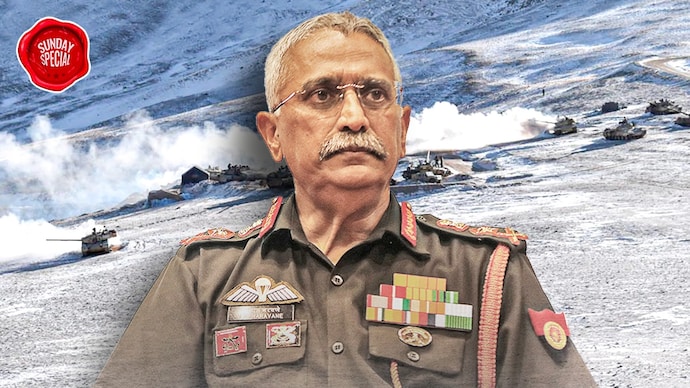
In August 2020, as Chinese armoured units moved toward Indian positions near the Pangong Tso region, the situation reached its most volatile phase. The People’s Liberation Army was reacting to Indian troops securing tactically vital heights along the Kailash Range, a move that shifted the balance on the ground.
According to General Naravane, he sought political feedback during this phase and was advised to act as he deemed appropriate. This marked the only point during the standoff when the Indian Army seriously weighed the use of heavy artillery, a step that could have dramatically escalated the conflict.
India’s Political-Military Tradition
India’s history shows that political leaders rarely micromanage military operations. From the first Kashmir conflict in 1947 to the 1971 war that led to the creation of Bangladesh, prime ministers have typically set objectives while trusting commanders to execute them.
The notable exception was the 1962 war with China, where political interference in military planning contributed to a disastrous defeat. Lessons from that conflict have since shaped India’s preference for professional military autonomy within clearly defined political limits.
Why Restraint Mattered in 2020
Military analysts argue that restraint at the LAC was not weakness but prudence. Existing agreements between India and China prohibit the use of firearms and large-scale force along the border. Any artillery strike would have shattered these frameworks and forced India into a broader conflict.
Instead, the Indian Army countered Chinese intimidation by deploying its own armour forward. Medium tanks were positioned in full view of advancing Chinese light tanks, signalling readiness without firing a single shot.
A Calculated Military Response
General Naravane later described the episode as a “game of bluff” that worked in India’s favour. Chinese tanks halted their advance, and a potentially catastrophic escalation was avoided. The episode demonstrated that India possessed both the capability and the resolve to respond decisively if provoked.
The standoff eventually led to disengagement and de-escalation talks, culminating in phased withdrawals by 2024. Military experts note that India emerged with its tactical credibility intact and its strategic posture strengthened.
Was Seeking Political Input the Right Call?
Former senior commanders and defence analysts largely agree that General Naravane acted correctly. Seeking political awareness during a moment that could have triggered a wider conflict was consistent with democratic civil-military norms.
“Authorising the first shot carries consequences beyond the battlefield,” a former Director General of Artillery observed. “It was entirely appropriate for the Army Chief to weigh political implications before acting.”