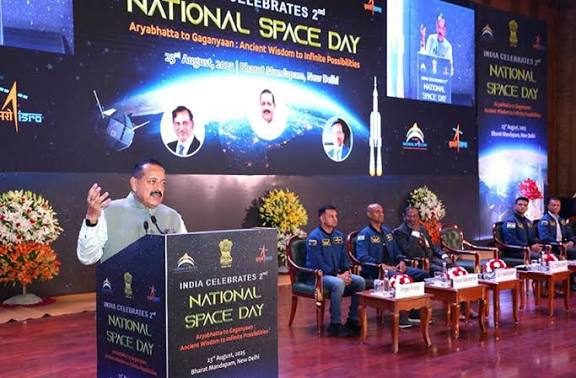
In a major push for technology-driven farming, the Ministry of Agriculture and Farmers’ Welfare organized a one-day national workshop on the DBT Platform Version 2.0 and NaMo Drone Didi Yojana in New Delhi on July 8, 2025.
 DBT Platform Version 2.0: Revolutionizing Farmer Support
Direct Benefit Transfer (DBT) is transforming how farmers access subsidies and support. With the rollout of DBT Platform Version 2.0, the government aims to remove delays, minimize human error, and boost transparency.
Dr. Devesh Chaturvedi, Secretary, Department of Agriculture and Farmers’ Welfare (DA&FW), inaugurated the workshop. He emphasized that digital platforms are key to accountability and fair access in agricultural schemes.
The upgraded portal will significantly improve the delivery of subsidies under the Sub-Mission on Agricultural Mechanization (SMAM). Farmers will now face fewer delays, and all stakeholders will have access to real-time dashboards and data.
NaMo Drone Didi Yojana Empowers Women
The NaMo Drone Didi Yojana is not just about technology. It’s about women’s empowerment in rural India.
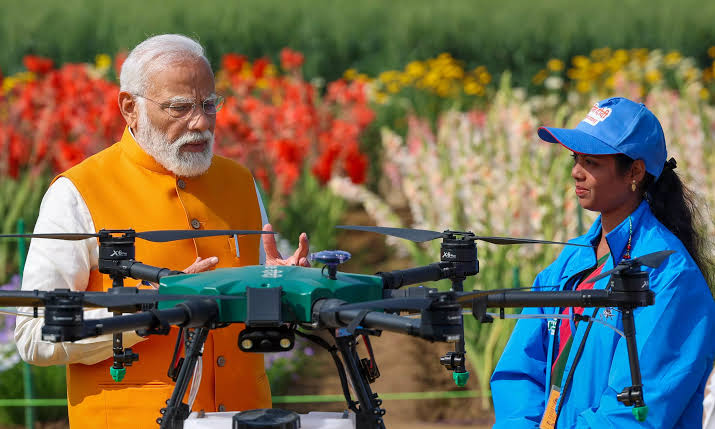
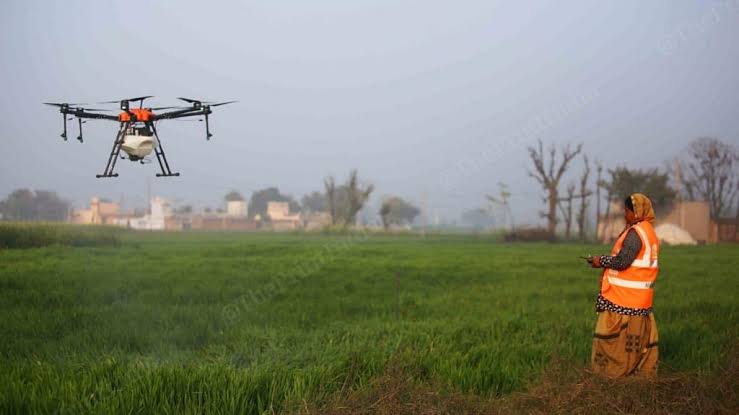
This flagship initiative trains women from Self-Help Groups (SHGs) to operate agricultural drones. These drones will be used for spraying fertilizers and pesticides—traditionally labor-intensive tasks.
“Women will become drone pilots, agricultural entrepreneurs, and changemakers,” Dr. Chaturvedi noted. The initiative is expected to create jobs, improve farming precision, and reduce chemical usage.
New Drone Portal Launched
To support this initiative, a dedicated Drone Portal has been developed. It enables mapping and tracking of drone operations, pilot training, and certification management. States can access a centralized dashboard for monitoring and reporting.
The portal also includes crop-specific Standard Operating Procedures (SOPs) for drone-based application of nutrients. These SOPs ensure scientific precision and uniformity in drone usage across India.
Live Demonstrations Enhance Learning
The workshop featured live demonstrations of both DBT Platform 2.0 and the Drone Didi portal. State nodal officers observed the workflows, user interfaces, and operational features in action.
This hands-on approach helped stakeholders visualize how the system can be implemented at ground level. It also promoted understanding of end-to-end digital subsidy delivery and drone coordination.
Voices from the Ground
State representatives shared feedback and real-life implementation stories. Officers from different regions highlighted innovative practices and offered constructive suggestions to refine the platforms.
The open discussion format encouraged collaboration between states and the Centre. It laid the foundation for a dynamic roadmap that supports India’s push toward full digital mechanization in agriculture.
A Step Forward in Agricultural Mechanization
India’s focus on digital agriculture and mechanization is clear. These reforms are designed to benefit small and marginal farmers—the backbone of rural India.
Mechanization, combined with precision tools like drones, can improve yield, cut input costs, and reduce environmental harm. And when delivered through digital platforms, the entire ecosystem becomes more accountable and efficient.
Why This Matters
Until now, farmers often struggled with manual processes, delayed payments, and lack of transparency. The new DBT platform addresses these bottlenecks through automation, data analytics, and real-time monitoring.
Meanwhile, the Drone Didi initiative opens up new opportunities for women in agri-tech. It integrates gender inclusion with modern farming—two major national priorities.
Policy with Purpose
“We must improve delivery systems with equity and technology,” Dr. Chaturvedi said. “These platforms aim to bridge the gap between policy and practice.”
The workshop has paved the way for digital-first agriculture. With better tools, better training, and better tracking, India is moving closer to its goal of inclusive, sustainable rural development.