
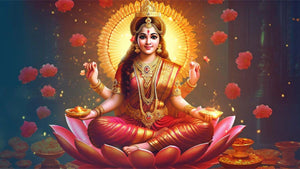
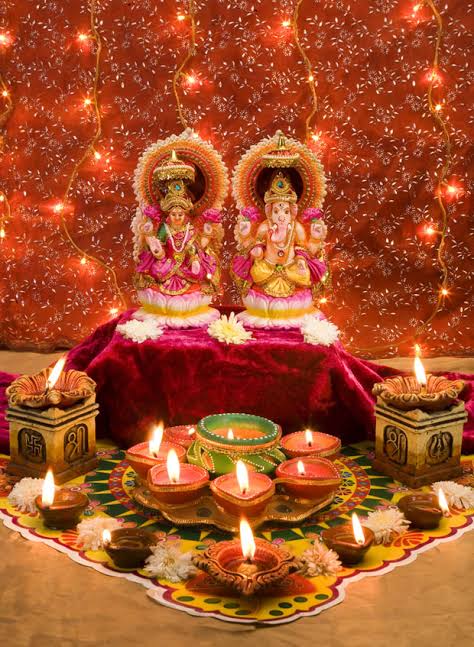

Lakshmi Puja marks the worship of Goddess Lakshmi (wealth, prosperity and well-being) alongside Lord Ganesha (remover of obstacles). Traditionally performed on the main day of Diwali, the ritual blends devotion, family gatherings and cultural customs. Beyond spiritual significance, Lakshmi Puja is an occasion to tidy homes, reconcile relationships, settle accounts, and plan for the year ahead.
Auspicious Timings — Key Muhurats (2025)
Several timing windows are traditionally observed for different regional practices. For 2025 the important slots are:
- Main Muhurat (Lakshmi Puja): 07:08 PM – 08:18 PM (Oct 20)
- Pradosh Kaal: 05:46 PM – 08:18 PM (Oct 20)
- Vrishabha Kaal: 07:08 PM – 09:03 PM (Oct 20)
- Evening (Amrit): 04:21 PM – 05:46 PM (Oct 20)
- Night (Labh): 10:31 PM (Oct 20) – 12:06 AM (Oct 21)
- Late Night (Shubh): 01:41 AM – 03:16 AM (Oct 21)
- Early Morning (Amrit): 03:16 AM – 04:51 AM (Oct 21)
Devotees usually perform the puja during the main muhurat or any of the favorable windows that suit family arrangements.
Essential Puja Samagri (Checklist)
Preparing puja samagri in advance helps the ritual proceed smoothly. Key items include:
- Idols or images of Goddess Lakshmi and Lord Ganesha (new or clean)
- Wooden plank (for placing deities) covered with new red/yellow cloth
- Five large ghee diyas and 21 small mustard-oil diyas
- Kalash (small pots) filled with kheel and batasha
- Seasonal fruits (banana, apple, pomegranate etc.), sweets (laddoo, kheer)
- Flowers, lotus (1/5/11), garlands, durva grass for Ganesh
- Incense, camphor, camphor lamp, cow ghee, mustard oil or sesame oil
- Meetha paan, elaichi, laung (clove), supari (betel nut), gomti chakra
- Books of accounts (Bahi-Khata), pen and ledger for the ritual of account closing
Step-by-Step Lakshmi Puja Vidhi
Below is a concise and traditional puja sequence devotees commonly follow. Local customs may vary — elders and priests often adapt mantras and offerings regionally.
- Sthan and Shuddhi: Clean the prayer area; place the wooden plank and idols. Sprinkle Gangajal and offer flowers.
- Lighting Diyas: Light one large diya with ghee and another with mustard oil. Light the 21 small earthen lamps with mustard oil.
- Alankara: Adorn the deities with garments and garlands; place lotus flowers before Goddess Lakshmi (1/5/11).
- Tilak and Offerings: Apply tilak on Ram Darbar, Shri Yantra (if used), Lakshmi and Ganesha. Offer sweets, fruits, meetha paan, and traditional items.
- Mantra Chanting: Begin with Ganesha mantras, then recite Lakshmi mantras such as “Om Hreem Shreem Lakshmibhyo Namah” and “Om Hreem Shreem Kleem Dhan Lakshmi Namah”.
- Closing Rituals: Perform Arti and circumambulation. Conclude by offering prasad to family members; keep accounts (Bahi-Khata) ready for closing or starting anew.
Regional Notes & Practical Tips
— Many families observe Govardhan Puja and Bhai Dooj in the following days; plan offerings accordingly.
— If you cannot perform puja during the prime muhurat, choose any favourable window listed above.
— Safety first: use shallow oil-filled diyas in stable holders, keep children and pets at a safe distance, and avoid overcrowded balconies or ledges with open flames.