
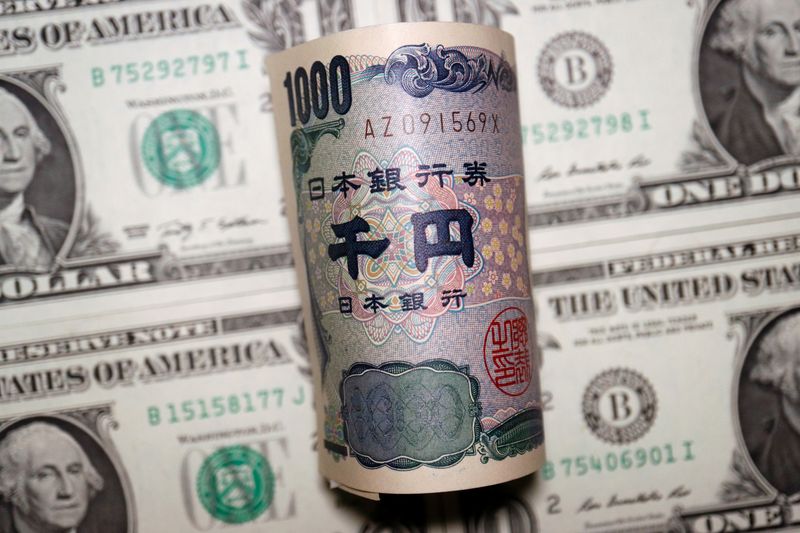

The dollar fell 1.3% against the yen to 153.73, marking its largest two-day decline since August 2024. Tokyo’s Prime Minister Sanae Takaichi signaled that Japan would take “necessary steps” to counter speculative market moves, fueling speculation of coordinated action with U.S. authorities.
A source told Reuters that the New York Federal Reserve had conducted rate checks with dealers—a traditional precursor to currency intervention. Traders rushed to exit short yen positions, lifting the currency by more than 3% since Friday.
Market Impact on Other Currencies
Dollar weakness benefited other major currencies, pushing the euro to $1.1857 and the British pound to $1.36945, both reaching four-month highs. The Australian dollar rose to $0.6922, its strongest level since September 2024.
Market strategist Jonathan Petersen described the trend as a “reinvigorated Sell America trade,” driven by concerns over a potential U.S. government shutdown and uncertainty around Federal Reserve policy. Senate Democrats, led by Chuck Schumer, are opposing funding measures that could risk a partial shutdown by January 30.
Federal Reserve & Fed Chair Speculation
Investors are closely watching the Federal Reserve’s upcoming rate decision, with markets expecting no change but signaling potential rate cuts later in the year. Meanwhile, speculation grows over President Trump’s announcement for the next Fed chair, with Rick Rieder of BlackRock emerging as the frontrunner according to betting markets.
Marc Chandler, chief strategist at Bannockburn Capital Markets, noted that protests, political uncertainty, and yen intervention rumors are all contributing to heightened volatility in currency markets.