
Swift Response Amid Crisis
The DoT’s State Coordination Unit in Dehradun, along with the UP (West) LSA, moved quickly to address the communication blackout. Working in partnership with telecom service providers (TSPs), infrastructure providers (IPs), the Uttarakhand State Government, and disaster response agencies such as the Army, ITBP, NDRF, and SDRF, teams mobilized to restore connectivity under challenging conditions.
Initial efforts focused on reviving the Bhatwadi–Dharali fiber link. This was achieved with the help of Army-supplied optical fiber cables (OFC) and additional cables airlifted from Uttarkashi and Dehradun. Helicopters were used to transport personnel and equipment to remote locations, while local resources handled last-mile delivery.
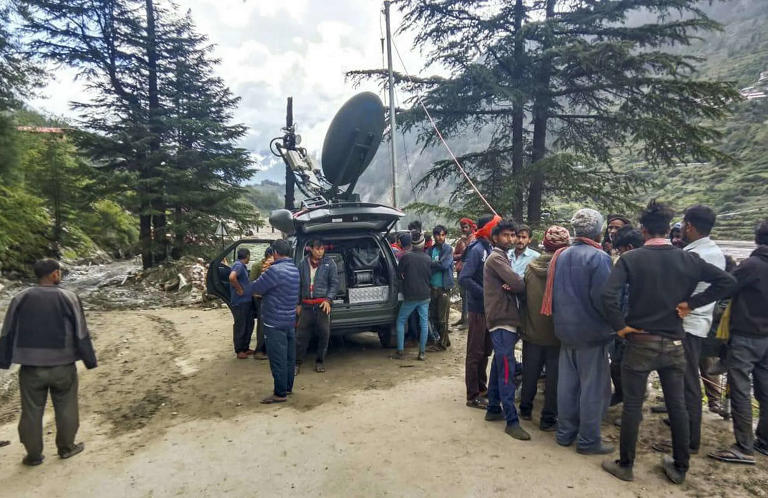

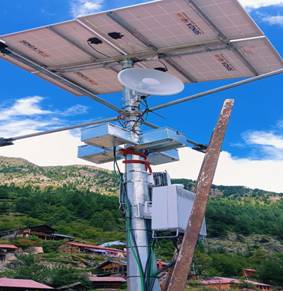
Two Reliance Jio towers were rapidly deployed at the ITBP camp in Dharali and in Mukhawa, restoring critical coverage for nearby villages. Once the Dharali–Gangotri fiber link was reconnected, the region achieved near-complete coverage.
Today, 26 towers are back online, supplemented by temporary mobile towers that provide stable connectivity. These networks are supporting both local residents and emergency personnel conducting relief and rescue operations.
Ensuring Network Access Through ICR
To maintain uninterrupted communication, DoT implemented Intra Circle Roaming (ICR). This arrangement allows mobile users to connect to the strongest available network in their area, even if their own operator’s infrastructure is down.
Subscribers can benefit from ICR by keeping “Automatic Network Selection” enabled on their devices. If that fails, they can manually select another network through the “Mobile Networks” settings. This simple step ensures that critical calls and data services remain accessible during emergencies.
Collaboration at the Core
The restoration success is credited to seamless coordination among multiple agencies. From military logistics to private telecom engineering, every stakeholder played a vital role. The joint efforts highlight the importance of preparedness and inter-agency communication during natural disasters.
For updates on telecom restoration and disaster response, citizens can follow DoT on X, Instagram, and YouTube.
Why Communication Matters in Disaster Zones
In disaster-struck regions like Uttarkashi, restored telecom lines are more than just convenience—they are lifelines. Families can reconnect, authorities can coordinate relief, and medical help can be summoned promptly. As climate-related disasters increase, initiatives like rapid telecom restoration will be key to saving lives and rebuilding communities.