
A Strategic Leap in Air Defence
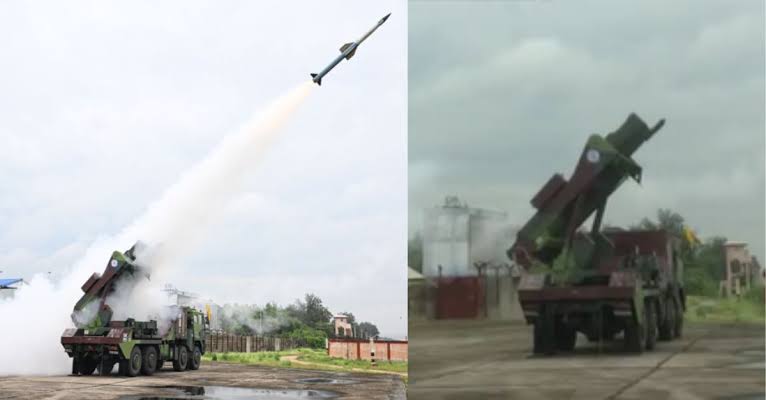
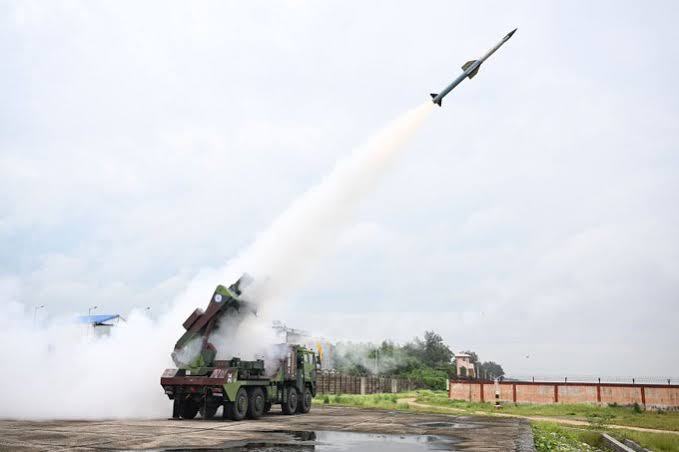
The IADWS is designed as a multi-layered defence shield capable of neutralising aerial threats, including fighter aircraft, drones, and cruise missiles. During the maiden tests, the system successfully intercepted and destroyed multiple targets launched from different directions, demonstrating its precision, agility, and advanced tracking abilities.
Officials said the system integrates long-range surveillance radars, command-and-control centres, and quick reaction interceptor missiles. This enables real-time coordination and rapid response to aerial threats. The Odisha coast, a frequent site for defence trials, was chosen due to its secure testing environment and access to the Bay of Bengal.
 Strengthening Indigenous Capabilities
DRDO scientists highlighted that the IADWS has been fully designed and developed in India, showcasing the country’s commitment to self-reliance in defence technology. The project aligns with the government’s “Atmanirbhar Bharat” vision, reducing dependency on imported air defence systems.
Senior defence officials stated that the system will undergo further developmental trials before being inducted into the armed forces. Once operational, it will provide India with a robust shield against evolving aerial threats in both wartime and peacetime scenarios.
Significance for National Security
The maiden success of the IADWS comes at a time when India is focusing on strengthening its defence preparedness amid rising regional challenges. According to experts, the system’s deployment will significantly enhance the Indian Air Force’s layered defence architecture and provide critical protection to key strategic assets.
Military analysts believe that the system’s ability to track and engage multiple targets simultaneously makes it a force multiplier in modern combat. Its modular design also allows integration with existing air defence networks, making it a versatile asset for the armed forces.
Global and Regional Context
The test positions India alongside countries that have developed indigenous, state-of-the-art air defence systems. Nations like the United States, Russia, and Israel have long invested in such technologies. With the IADWS, India is signalling its intent to achieve comparable capabilities.
The trials also carry strategic weight, as India continues to modernise its defence infrastructure while balancing regional security concerns. Experts suggest that successful deployment of IADWS will act as a deterrent against hostile aerial intrusions and strengthen India’s defensive posture in South Asia.
What’s Next?
Following the maiden success, DRDO is expected to conduct a series of additional tests under varying conditions to validate the system’s reliability and operational readiness. Defence ministry officials confirmed that once the weapon system clears all trials, it will be inducted in phases across sensitive zones of the country.
This achievement reflects India’s growing confidence in indigenous research and development, paving the way for a stronger, more secure future. It reinforces the strategic role of DRDO in equipping the nation with advanced, home-grown defence systems capable of meeting tomorrow’s challenges.