

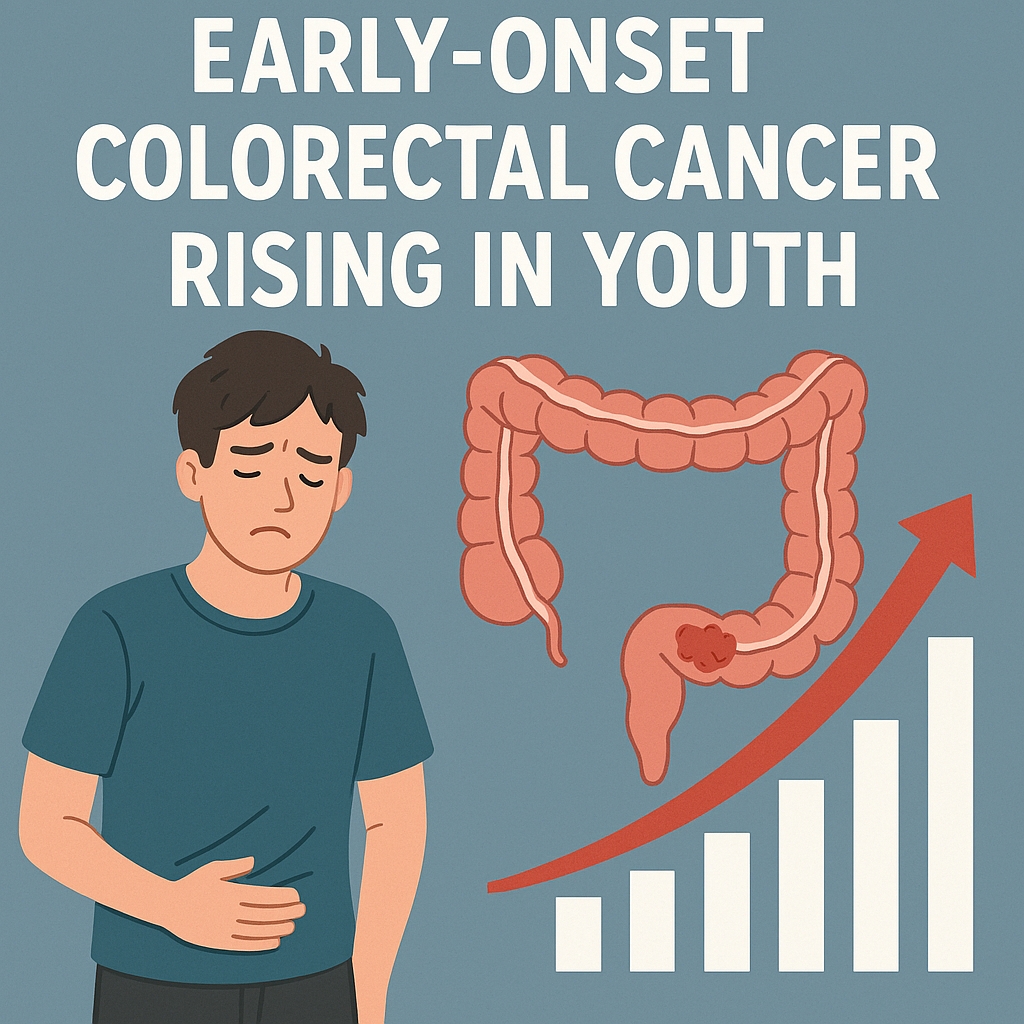

Doctors and researchers say there is no single explanation for the rise in early-onset colorectal cancer. However, lifestyle changes over the past few decades are believed to play a significant role.
Diets high in ultra-processed foods, red meat and low in fibre have been linked to increased cancer risk. Alcohol consumption, smoking, obesity and lack of physical activity are also considered contributing factors.
Another area of focus is the gut microbiome — the complex ecosystem of microorganisms that help digest food and regulate immune function. Disruption in this balance, known as dysbiosis, may trigger chronic inflammation, which is associated with a higher cancer risk.
Recognising the Early Symptoms
One of the major challenges with colorectal cancer is delayed diagnosis. Early symptoms are often subtle and may be ignored.
Common warning signs include blood in the stool, persistent abdominal pain, changes in bowel habits and unexplained anaemia. While these symptoms do not automatically mean cancer, doctors emphasise that they should never be overlooked.
Medical professionals advise consulting a physician if such symptoms persist. In many cases, a colonoscopy is recommended to investigate further.
Survival Rates Depend on Early Detection
Survival outcomes for colorectal cancer vary widely depending on the stage at diagnosis. When detected early, five-year survival rates can range between 80% and 90%.
However, when the disease has spread to other organs, survival rates drop significantly, sometimes to as low as 10% to 15%. Some research suggests younger patients with advanced disease may face slightly poorer outcomes compared to older adults.
This underscores the importance of awareness and timely screening.
Screening Guidelines: Who Should Get Tested?
Health authorities recommend that individuals at average risk begin colorectal cancer screening at age 45. Screening methods include stool-based tests that detect hidden blood or abnormal DNA, imaging tests and colonoscopy.
Those with a family history of colorectal cancer, hereditary cancer syndromes or inflammatory bowel disease are considered high risk. For them, colonoscopy is generally advised at an earlier age and at more frequent intervals.
How to Reduce Your Risk
While genetics cannot be changed, lifestyle factors are largely within individual control. Experts recommend maintaining a balanced diet rich in fruits, vegetables and whole grains while limiting processed and red meats.
Regular physical activity, maintaining a healthy weight and avoiding tobacco can significantly lower cancer risk. Even moderate alcohol consumption has been linked to increased cancer risk, making reduction or elimination advisable.
Equally important is communication. Knowing your family history and discussing it with your healthcare provider can ensure appropriate screening and preventive strategies.
A Wake-Up Call for Young Adults
The rising incidence of early-onset colorectal cancer is a public health concern that demands greater awareness. Younger individuals often do not consider themselves at risk, leading to delays in seeking medical advice.
Doctors stress that colorectal cancer is highly treatable when detected early. Proactive screening, lifestyle modifications and awareness of warning signs can save lives.
As cases among younger populations increase, health experts urge families to prioritise conversations about medical history and encourage routine health check-ups.