 Action Against Non-Compliant Parties
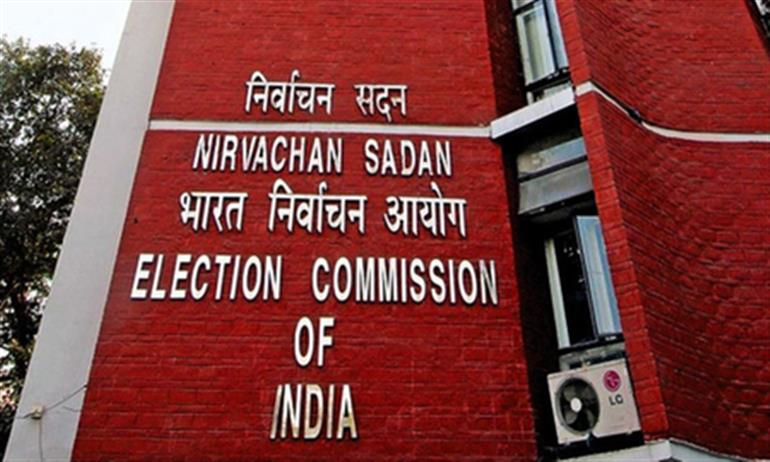
The Commission has also identified another 359 RUPPs for failing to submit their mandatory Annual Audited Accounts for three consecutive years—2021-22, 2022-23, and 2023-24. Many of these parties contested elections but did not file Election Expenditure Reports, a serious violation of electoral laws.
These 359 parties are spread across 23 states and Union Territories, with the largest share from Uttar Pradesh (127), followed by Delhi (41) and Tamil Nadu (39). The Chief Electoral Officers (CEOs) of the respective states have been instructed to issue show-cause notices to these parties. They will be given an opportunity to present their case before a final decision on delisting is made.
State-Wise Breakdown of Delisting
In the second phase of delisting, Uttar Pradesh accounted for the highest number of removals (121), followed by Maharashtra (44), Tamil Nadu (42), and Delhi (40). Smaller states and UTs such as Andaman & Nicobar Islands, Tripura, and Chandigarh also had one party each removed from the register.
The action demonstrates ECI’s zero-tolerance approach towards inactive and non-compliant political organisations. It is also part of its broader effort to ensure transparency, financial accountability, and fair participation in India’s democratic process.
Strengthening Electoral Integrity
By weeding out inactive RUPPs, the Commission aims to prevent misuse of registration privileges such as tax exemptions and access to electoral symbols. It also helps in streamlining the electoral roll and ensuring that only active and accountable political actors participate in elections.