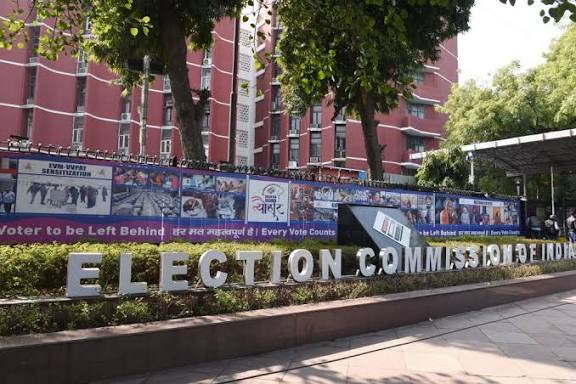
According to the ECI, the aim of appointing Special Roll Observers is to strengthen the transparency, inclusiveness and accuracy of the electoral roll revision process. Their presence is expected to ensure that no eligible citizen is left out and no ineligible names are included in the updated rolls.
 Observers to Spend Two Days a Week in Assigned States
The Special Roll Observers have already commenced their field duties. Each SRO will spend two days a week in the allotted states until the completion of the Special Intensive Revision. This consistent ground presence is designed to support district machinery and improve on-the-spot oversight.
Their responsibilities include monitoring the accuracy of data collection, verifying field-level activities, and ensuring that the revision exercise adheres to the Commission’s guidelines. The observers are also tasked with identifying any procedural gaps and suggesting corrective steps in real time.
Engagement with Political Parties and Administrative Leadership
The SROs will convene regular meetings with leadership of national and state political parties to gather feedback and address concerns related to the revision exercise. This participatory approach is aimed at maintaining trust among stakeholders, especially in states with sensitive electoral environments.
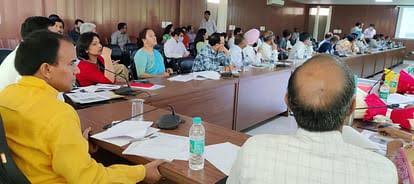
They will also meet with Chief Electoral Officers (CEOs) and District Electoral Officers (DEOs) both physically and virtually. These interactions will help ensure uniformity in implementation across districts and maintain steady progress towards the February 2026 deadline.
The ECI stated that such consultations are integral to preserving the integrity of the revision process, given the scale and sensitivity of electoral roll management in a democracy as large as India.
Ensuring an Error-Free and Inclusive Electoral Roll
The Special Intensive Revision aims to eliminate inaccuracies that may arise due to migration, demographic shifts or procedural inconsistencies. The observers have been instructed to focus on ensuring the inclusion of newly eligible voters, correcting address-related errors and removing duplicate or ineligible entries.
The Commission emphasised that the observers’ oversight will help maintain public confidence in the voting process. As India prepares for multiple state elections and the next general election cycle, maintaining error-free voter lists is considered a foundational requirement.