
Purpose of the Meeting
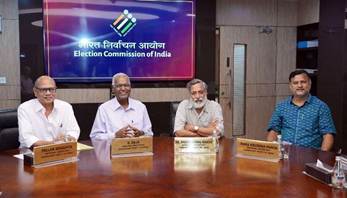
The interaction is part of the ongoing initiative by the ECI to meet Presidents and representatives of national and state political parties. These discussions enable party leaders to share suggestions and concerns directly with the Commission, strengthening the electoral process within the existing legal framework.


Over the past 150 days, the Commission has conducted 4,719 all-party meetings. This includes 40 by Chief Electoral Officers (CEOs), 800 by District Electoral Officers (DEOs), and 3,879 by Electoral Registration Officers (EROs), engaging more than 28,000 representatives from various political parties across the country.
Interactions with Other Parties
Shri D. Raja’s CPI delegation follows similar engagements with other recognised national parties, including:
- Bahujan Samaj Party (BSP) – Km. Mayawati – May 6, 2025
- Bharatiya Janata Party (BJP) – Shri Jagat Prakash Nadda – May 8, 2025
- Communist Party of India (Marxist) – Shri M.A. Baby – May 10, 2025
- National People’s Party (NPP) – Shri Conrad Sangma – May 13, 2025
- Aam Aadmi Party (AAP) – Shri Arvind Kejriwal – May 15, 2025
State parties have also been consulted, including All India Trinamool Congress, Yuvajana Sramika Rythu Congress Party, Samajwadi Party, and others, covering discussions up to August 21, 2025.
Significance of the Initiative
These interactions reflect ECI’s commitment to fostering transparency, inclusiveness, and stakeholder participation in the electoral process. By directly engaging with parties, the Commission aims to address concerns, incorporate constructive feedback, and maintain the integrity of India’s elections.