
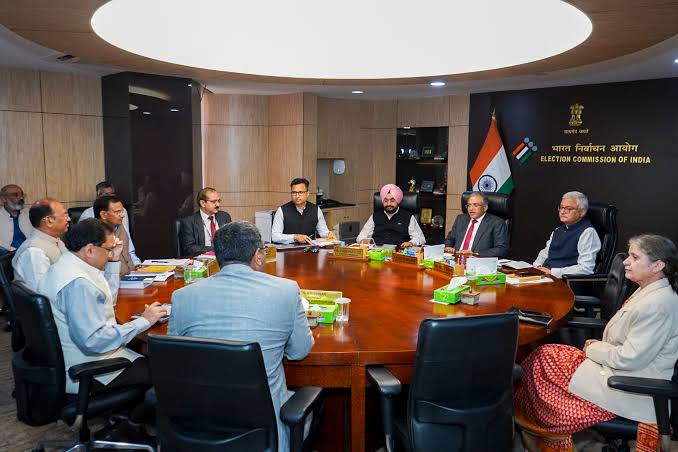
On 4th May 2025, the Election Commission of India (ECI) announced a transformative step toward streamlining and enhancing its digital infrastructure with the upcoming launch of a unified digital platform named ECINET. Designed as a single-point interface, ECINET is set to integrate more than 40 existing mobile and web applications into one seamless, user-friendly platform that caters to the needs of citizens, electoral officials, political parties, and civil society at large.
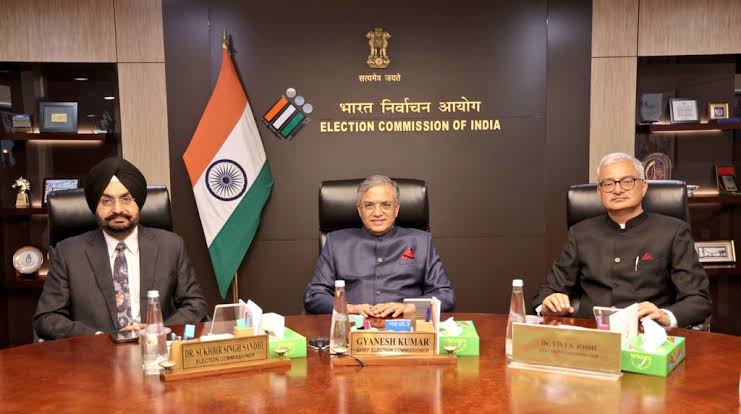

The initiative, envisioned by Chief Election Commissioner Shri Gyanesh Kumar during the Conference of Chief Electoral Officers in March 2025, aims to improve accessibility, convenience, and efficiency in electoral processes. The platform is expected to significantly reduce the complexity of managing multiple applications and login credentials, offering an aesthetically improved user interface and a simplified user experience.
ECINET will replace widely used apps such as the Voter Helpline App, cVIGIL, Suvidha 2.0, ESMS, Saksham, and KYC App—together accounting for over 5.5 crore downloads. With this new integration, nearly 100 crore electors and millions of electoral personnel, including Booth Level Officers, Booth Level Agents, polling officials, and electoral registration officers, are expected to benefit from a streamlined and secure digital environment.
Data entry and management within ECINET will be handled exclusively by authorized ECI officials to ensure accuracy and legal compliance. In the case of any discrepancy, official statutory documents will take precedence. The development of ECINET has already reached an advanced stage, with extensive trials underway to ensure operational excellence, user ease, and strong cybersecurity protections.
This large-scale initiative is being realized after comprehensive consultations involving all 36 Chief Electoral Officers from States and Union Territories, alongside inputs from 767 District Election Officers and 4,123 Electoral Registration Officers. The system also draws from a thorough review of 76 publications and over 9,000 pages of electoral rules, instructions, and handbooks.
Once launched, ECINET will not only modernize electoral services for voters and officials but also uphold the integrity of the electoral process within the framework of existing laws, including the Representation of the People Acts of 1950 and 1951, and related rules and guidelines issued by the ECI. This thoughtful consolidation of digital services promises to set a new standard for democratic accessibility and operational efficiency in India.