Empowering Women Through Skill Development
Government’s Commitment to Skill Development of Women
Under the Skill India Mission (SIM), the Ministry of Skill Development and Entrepreneurship (MSDE) runs various schemes to train, reskill, and upskill women. These include:
- Pradhan Mantri Kaushal Vikas Yojana (PMKVY)
- Jan Shikshan Sansthan (JSS)
- National Apprenticeship Promotion Scheme (NAPS)
- Craftsman Training Scheme (CTS) through ITIs
These schemes are operational across India through a wide network of training centres. To make these programs more accessible, the government offers financial aid for travel, lodging, and post-placement support, especially under PMKVY 4.0.
 Focus on Women-Oriented Training Programs
Training courses are designed with a special focus on sectors that attract women—such as beauty and wellness, apparel, retail, healthcare, and handicrafts. This structure ensures more inclusive participation.
Additionally, women constitute over 80% of beneficiaries under the JSS scheme. There are also 19 National Skill Training Institutes (NSTIs) and over 300 ITIs exclusively for women. Further, 30% of all ITI seats are reserved for women.
Special Initiatives: NAVYA and Swavalambini
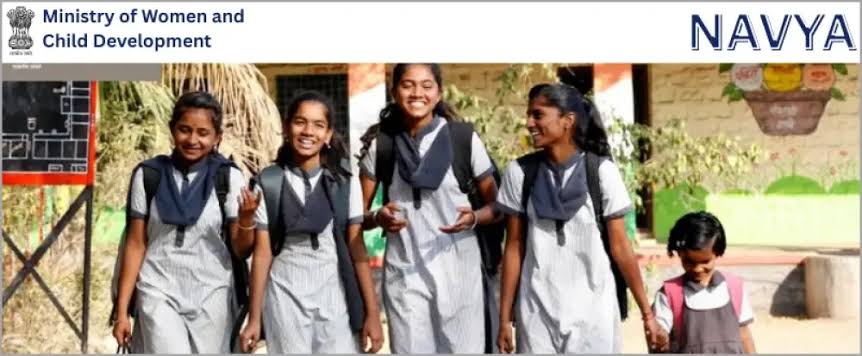
MSDE and the Ministry of Women and Child Development launched NAVYA, a pilot initiative aimed at training adolescent girls (16–18 years) in non-traditional job roles. These girls, with at least a 10th-grade education, are trained to enter careers typically not pursued by women.
Another breakthrough initiative, Swavalambini, launched in February 2025 in partnership with NITI Aayog, aims to build an entrepreneurial mindset among young women. Implemented in Assam, Meghalaya, Mizoram, Uttar Pradesh, and Telangana, it includes Entrepreneurship Awareness and Development Programs.
Monitoring and Accountability in Training Programs
To ensure transparency, MSDE uses Aadhaar-based enrolment and biometric attendance systems. Under PMKVY, the payment to training centres is linked to outcomes such as attendance, certification, and placements.
Monitoring tools include:
- Call validation with direct feedback from trainees
- Surprise visits by NSDC/SSC teams
- Virtual verification using geo-tagged, time-stamped images
Misconduct is penalized. In severe cases, training centres are suspended or blacklisted. For example, Uttar Pradesh alone saw 430 show-cause notices issued and 205 training centres suspended under PMKVY 4.0.
Empowering Women through Apprenticeships and Entrepreneurship
Under NAPS, state and national committees track apprenticeships. Local district officials and the National Skill Development Corporation (NSDC) ensure effective on-ground implementation.
For entrepreneurship, MSDE works closely with institutions like NIESBUD, Noida, and IIE, Guwahati, offering workshops and training to develop women entrepreneurs.
Aligning Training with Industry 4.0
To meet modern industry demands, new-age skills are being taught. These include AI, ML, Robotics, Mechatronics, Cyber Security, and Drone Technology.
Notable partnerships with tech giants like IBM, AWS, Microsoft, and CISCO help provide cutting-edge training content under CSR initiatives. Students benefit from hands-on learning in real industrial environments through Flexi MoU schemes and the Dual System of Training.
Digital Hub and Rozgar Melas
The Skill India Digital Hub (SIDH) integrates skill training with education, employment, and entrepreneurship. It allows job seekers and apprentices to connect directly with employers.
Regular Rozgar Melas and National Apprenticeship Melas are held to facilitate job placement for certified candidates, especially women.
Progress in Numbers
Between 2015 and mid-2025, over 74 lakh women were trained under PMKVY. Under JSS, 25.5 lakh women benefitted, while 7.9 lakh women received apprenticeship training through NAPS. In ITIs, over 12.4 lakh women were trained.
States leading in women skill development include:
- Uttar Pradesh: 11.04 lakh (PMKVY)
- Madhya Pradesh: 5.64 lakh
- Tamil Nadu: 5.44 lakh
- Rajasthan: 5.95 lakh
A Step Toward Equality and Empowerment
By integrating training with job placements, digital tools, and industrial collaboration, the Indian government ensures women are ready for the future. Skill development is not just about jobs—it’s about dignity, confidence, and independence.
India’s skill ecosystem is steadily becoming a global example of inclusive and forward-looking workforce development.