 Escalation Over Arctic Security
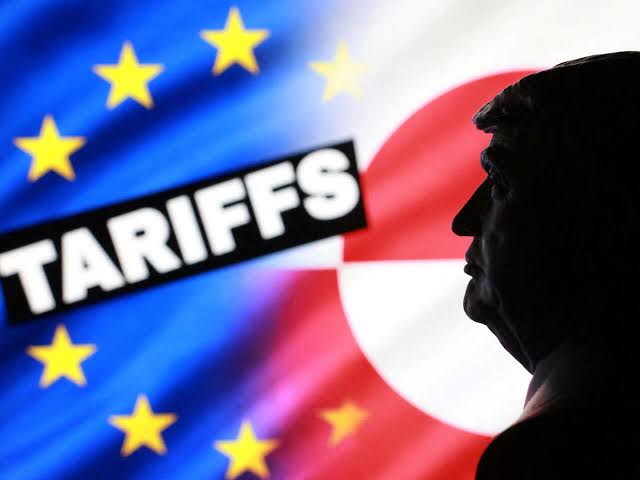
Trump announced tariffs targeting Denmark, Sweden, France, Germany, the Netherlands, Finland, the U.K., and Norway, demanding the U.S. be allowed to purchase Greenland. The affected nations, which have already faced 10–15% U.S. tariffs, deployed small numbers of troops to Greenland to reinforce Arctic security without threatening any other nation.
EU Leaders Call for Unity
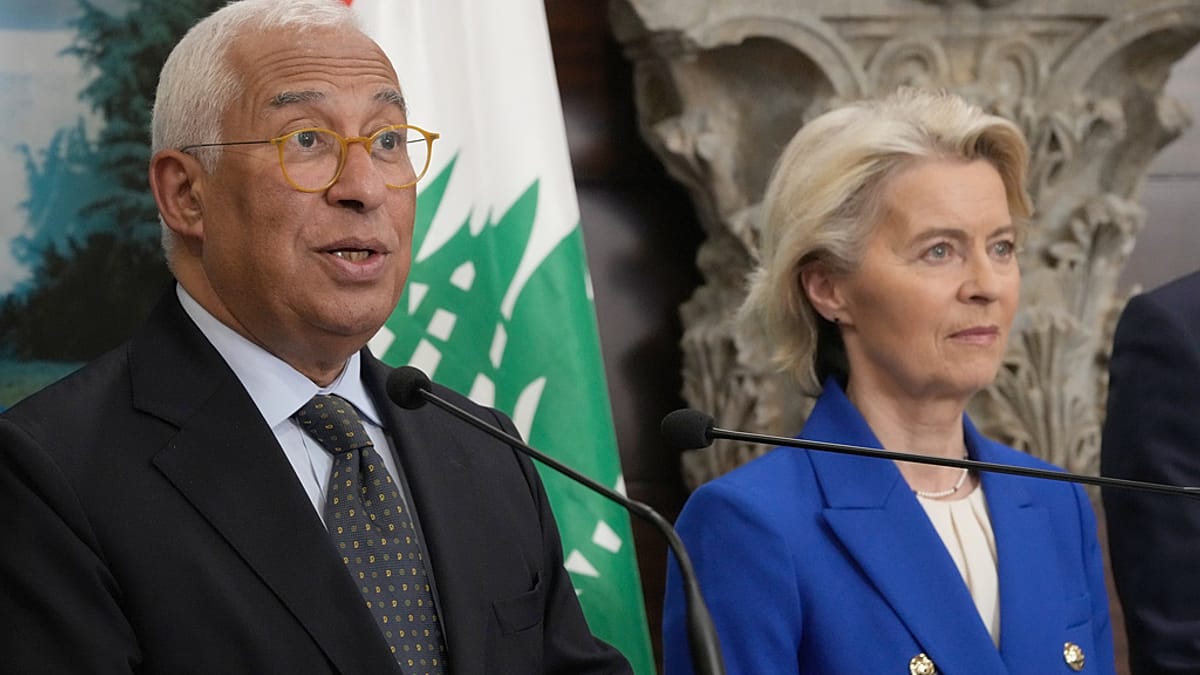
Danish Prime Minister Mette Frederiksen and leaders from Germany, Sweden, and the Netherlands voiced firm opposition, emphasizing European sovereignty. EU ambassadors convened in Brussels for an emergency meeting, while French President Emmanuel Macron pushed for economic countermeasures. Germany and the European Parliament also expressed support for coordinated action.
Anti-Coercion Instrument
The Anti-Coercion Instrument allows the EU to restrict access to public contracts, limit financial activities, and curb trade in sectors where the U.S. has surpluses, including digital services. While some leaders, like Irish PM Micheal Martin, cautioned against immediate activation, France and Germany see it as a key tool to respond to coercive threats.
Mixed European Positions
Italian PM Giorgia Meloni, closer to the U.S., called Trump’s tariff threat a “mistake” and engaged in direct discussions. The U.K. maintained that Greenland’s status is “non-negotiable” and urged diplomacy over confrontation, stressing collective resolution with the U.S.
Impact on Trade Deals
Trump’s threat raises uncertainty over trade agreements signed with Britain in May and the EU in July, which involve unilateral tariff reductions. The European Parliament is likely to suspend its work on the EU-U.S. trade deal until the dispute is resolved, reflecting growing caution among EU lawmakers.
Potential Global Ramifications
Observers warn that the tariff threats could strain transatlantic relations and spark broader economic repercussions. German lawmaker Juergen Hardt even suggested extreme measures, including a potential boycott of the 2026 U.S. World Cup, to influence U.S. policy on Greenland.