
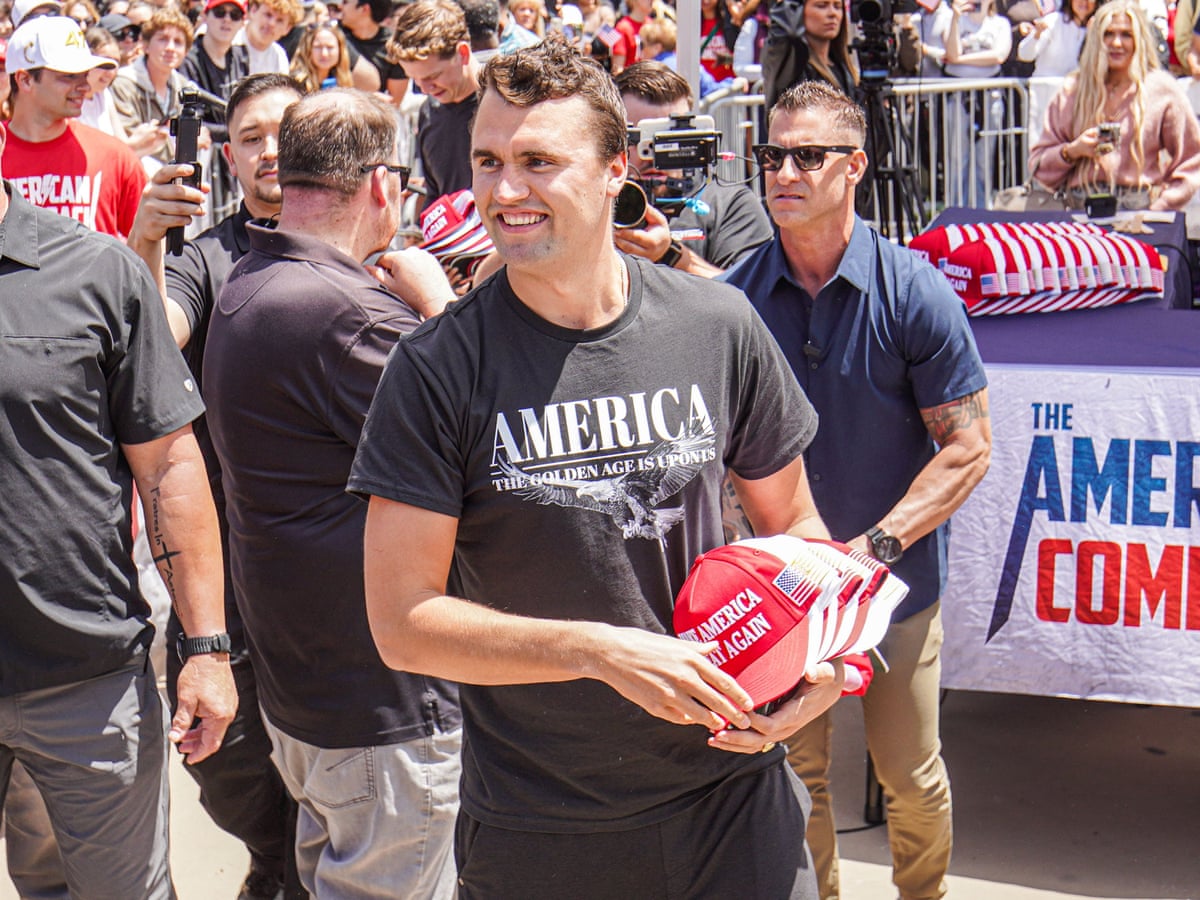
Calls for Tribute Denied
Weimers had urged lawmakers to observe a symbolic one-minute silence, arguing that Kirk’s killing represented an attack on freedom of speech. He circulated an email ahead of the session calling for solidarity with the American activist, who was shot dead on September 10 while speaking at Utah Valley University. However, Metsola ruled against the proposal, citing procedural rules.
According to parliamentary guidelines, such moments of silence must be requested by an entire political group and can only be held at the opening of a plenary session. The last opening session took place on September 8, making the request invalid until October. A spokesperson for Metsola emphasized that the rules exist to maintain impartiality and fairness.
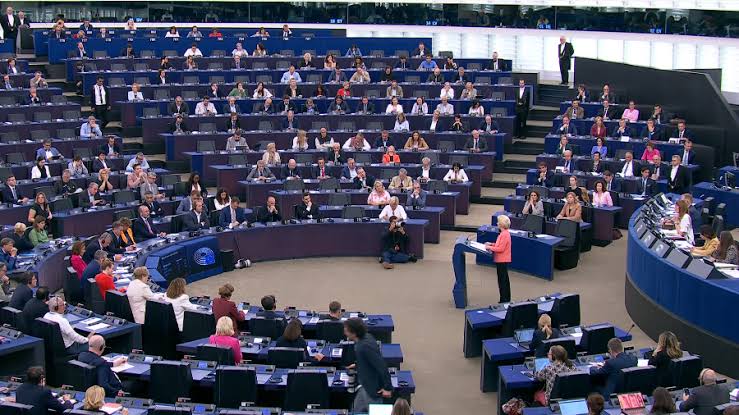

When Weimers insisted on raising the issue despite the ruling, many lawmakers began banging their desks and shouting in protest. Members of the Progressive Alliance of Socialists and Democrats (S&D) accused him of exploiting parliamentary procedures for political motives. German MEP Katarina Barley reminded Weimers that the matter had already been discussed and rejected.
The heated exchange highlighted the growing polarization within the European Parliament over global right-wing movements and their influence in Europe.
Who Was Charlie Kirk?
Charlie Kirk, 31, was the CEO and co-founder of Turning Point USA, a conservative youth organization in the United States. A close ally of former US President Donald Trump, Kirk was known for his outspoken views on American politics and his strong support for the “Make America Great Again” (MAGA) movement.
Kirk was shot in the neck while addressing students in Utah, sparking outrage among his supporters. He is survived by his wife, Erika Frantzve, a former beauty queen, and their two young children. His death has been widely mourned among US conservative circles, though his controversial statements often drew sharp criticism from opponents.
International Reactions
The refusal of the European Parliament to recognize Kirk with a tribute has drawn mixed responses. Right-wing groups across Europe argued that freedom of speech transcends borders and that Kirk’s assassination warranted global solidarity. Critics, however, insisted that the Parliament should remain neutral and avoid being drawn into US domestic politics.
The incident reflects broader tensions within the EU over how to respond to ideological conflicts outside its borders. As debates continue, Kirk’s death remains a stark reminder of the risks faced by polarizing figures in highly charged political climates.