
Failing This Simple Test? Your Heart Could Be in Trouble
What Is the Sitting-Rising Test?

According to the study tracking over 4,200 adults aged 46–75 for 12 years, those with low SRT scores were up to six times more likely to die from cardiovascular causes. The test combines flexibility, balance, strength, and coordination—making it a powerful predictor of overall longevity.
How to Perform the SRT
- Stand barefoot on a non-slippery surface.
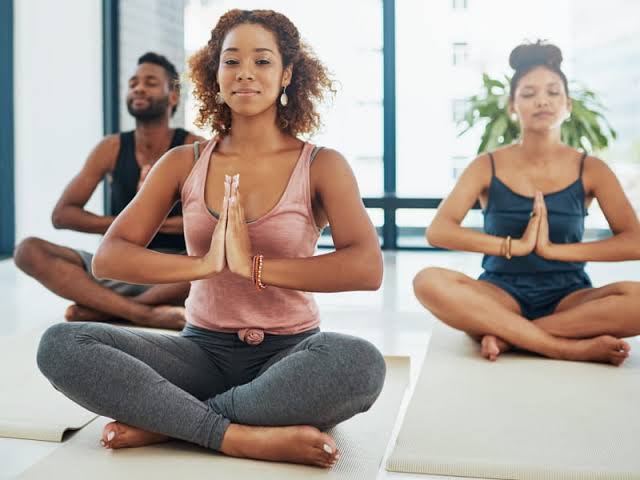
- Sit cross-legged on the floor.
- Rise back to a standing position without using hands, knees, or supports.
- You lose 1 point for each support used.
- Scoring 8–10 indicates good health; under 6 could signal risk.
Tip: Try the test with a friend to score you and ensure safety.


Caption: Step-by-step instructions for safely doing the SRT.
Alt Text: Illustrated instructions for Sitting-Rising Test positions
The Hidden Warning Signs
Low scores may signal not just weak muscles but also clogged arteries, high blood pressure, or insulin resistance. Even people who look outwardly fit might struggle with flexibility and internal resilience. SRT acts like a mirror—revealing what’s beneath the surface.
Simple Fixes That Work
Improving your score doesn’t require a gym membership. Try these steps:
- Do mobility exercises for hips and knees.
- Strengthen your core and lower body.
- Break long sitting periods with short walks.
- Try squats, balance drills, or dancing while cooking.
Even 5-minute movement breaks can improve your functional fitness and heart resilience.
Why It’s Gaining Global Attention
With growing awareness around sedentary lifestyles and heart disease, the Sitting-Rising Test is becoming popular for being affordable, accessible, and effective. Dr. Claudio Gil Araújo, the lead researcher, calls it a “strong predictor of longevity” due to its unique combination of movement abilities.
Final Thoughts
This weekend, roll out a mat and try the Sitting-Rising Test. Whether you score a 10 or struggle to stand up, don’t worry—it’s not a judgment. It’s an invitation. An invitation to move more, live better, and protect your heart.
Sometimes, the simplest movements carry the loudest health messages.