
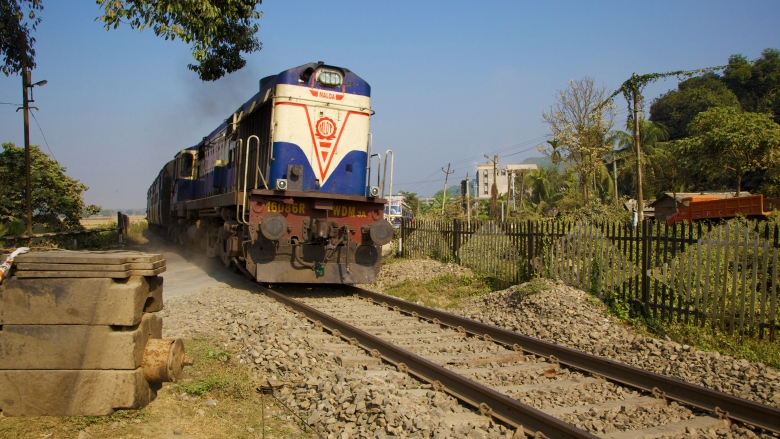
Cabinet Greenlights Rail Expansion Across 7 Districts
In a significant boost to India’s transport infrastructure, the Cabinet Committee on Economic Affairs, led by Prime Minister Narendra Modi, has approved two major multitracking projects under the Ministry of Railways. Together, these projects will expand India’s rail network by 318 kilometers and span across seven districts in Jharkhand, Karnataka, and Andhra Pradesh.


The projects include:
- Koderma – Barkakana Doubling (133 Kms): Located in Jharkhand, this corridor cuts through a crucial coal-producing region and offers the shortest rail link between Patna and Ranchi.
- Ballari – Chikjajur Doubling (185 Kms): Stretching across Ballari and Chitradurga districts in Karnataka and Anantapur district in Andhra Pradesh, this track enhances access and industrial connectivity in South India.
The estimated combined cost is ₹6,405 crore, and the construction phase is set to generate 108 lakh human-days of employment.
Economic and Social Impact
These projects will bring improved rail services to over 1,408 villages, positively impacting 28.19 lakh people. Better rail infrastructure reduces travel time, enhances safety, and improves overall passenger and freight service reliability.
Critically, the upgrades will carry an additional 49 million tonnes of freight annually (MTPA), including key commodities like coal, cement, steel, fertilizers, agricultural produce, and petroleum.
Sustainable Development and Climate Goals
This infrastructure push aligns with India’s climate targets. The rail upgrades will reduce oil imports by 52 crore litres, and cut CO2 emissions by 264 crore kilograms — equivalent to planting 11 crore trees. By investing in rail over road transport, India prioritizes cleaner and more energy-efficient logistics.
PM Gati Shakti: Seamless Multi-Modal Connectivity
These developments form a key part of the PM Gati Shakti National Master Plan, which promotes integrated planning and faster execution of infrastructure projects. This multitracking initiative stands as a model for multi-modal logistics, connecting rail, road, and industrial corridors more efficiently.
Vision for Atmanirbhar Bharat
The projects also fulfill the vision of “Atmanirbhar Bharat”, enabling comprehensive regional development, boosting self-employment, and empowering communities. Enhanced connectivity will facilitate local industry growth, open new markets for farmers, and attract private investment.
Conclusion: Building the Tracks to Tomorrow
With this green signal from the Cabinet, India moves closer to its goals of modern infrastructure, sustainable development, and economic resilience. These rail corridors are not just lines on a map—they are lifelines for rural communities, industries, and the environment.